Victoria Island
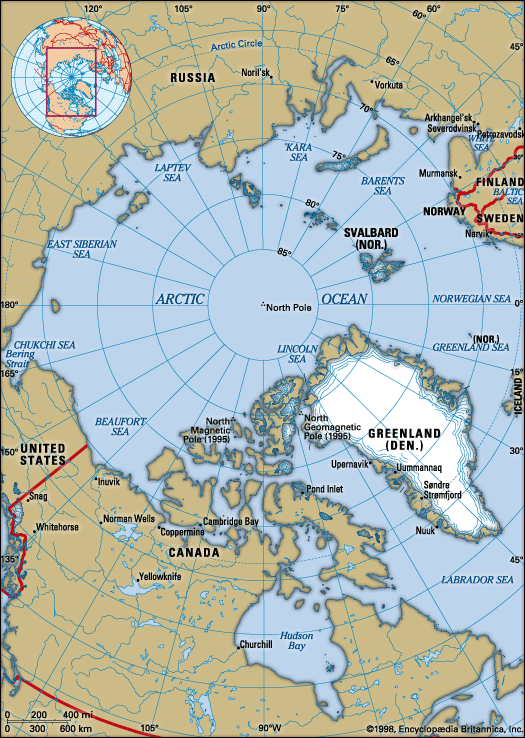
Victoria Island primarily refers to the second-largest island in the Canadian Arctic Archipelago. Located in northern Canada and split between the Northwest…
What is Victoria Island?
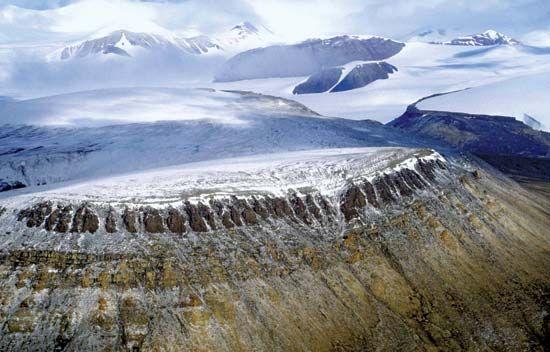
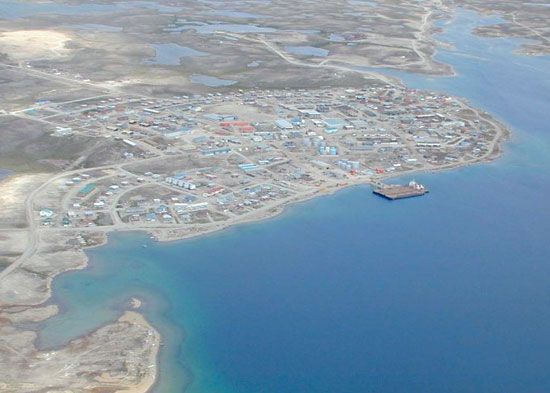
Victoria Island primarily refers to the second-largest island in the Canadian Arctic Archipelago. Located in northern Canada and split between the Northwest Territories and Nunavut, it covers approximately 83,896 square miles (217,291 square km). Discovered in 1838 by Thomas Simpson and named for Queen Victoria, the island features a sparsely populated landscape with settlements such as Cambridge Bay and Holman.12
It is important to note that the name is also associated with other locations. For instance, in Lagos, Nigeria, there is an area historically known as Victoria Island, which was once a distinct island but is now effectively the tip of the Lekki Peninsula due to land reclamation efforts.3
What is the Canadian Arctic Archipelago?
The Arctic Archipelago is a vast group of islands located in the Arctic Ocean, lying north of the Canadian mainland. Spanning approximately 550,000 square miles (1,424,500 square km), the region is politically divided between the territories of Nunavut and the Northwest Territories in Canada.56
The archipelago’s physical geography is diverse:
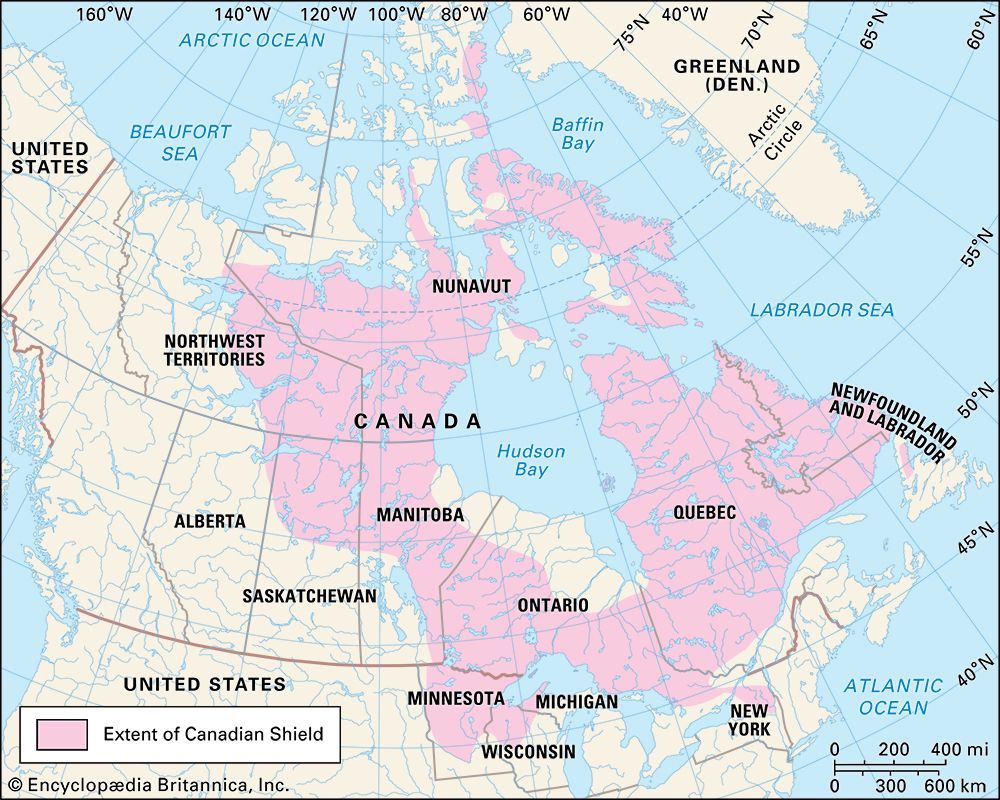
- Geology: The southeastern islands are an extension of the Canadian Shield, while the southern areas consist of Arctic lowlands and the northern regions are defined by the Innuitian Mountains.5
- Key Islands: The group includes major landmasses such as Baffin Island, Ellesmere Island, Victoria Island, Banks Island, and Prince of Wales Island.5
- Climate: The region is characterized by a cold, harsh climate where temperatures frequently remain below freezing for 8 to 10 months of the year, with a very short frost-free season.7
How do people live in the cold climate of Nunavut?
Life in Nunavut has undergone a significant transformation, shifting from a traditional, seminomadic existence to life in permanent settlements and cities. While the territory remains within the Arctic climatic zone—characterized by permafrost and bitterly cold temperatures—modern technology has fundamentally altered how residents navigate this environment.9101112
Modern Adaptations
- Transportation: While dogsleds were once the primary means of travel, they have largely been replaced by snowmobiles and all-terrain vehicles for local transport. Most passenger and freight traffic is now conducted by air, connecting communities to southern cities like Montreal and Winnipeg.1312
- Housing and Infrastructure: Residents live in modern settlements rather than the traditional igloos or animal-skin tents used by their ancestors. Communities have access to satellite television and the Internet, and fuel oil is imported via seagoing supply ships to heat homes.91013
- Economy: The traditional economy based on hunting and trapping has evolved. Many Inuit now work in sectors such as mining and oil fields, or participate in cooperatives that market handicrafts, tourism, and fish catches.1012
Despite these changes, traditional activities like hunting and fishing remain vital, and the creation of Nunavut in 1999 has played a key role in the revitalization of Inuit culture and language.101412
Who was Queen Victoria and why are places named after her?
Queen Victoria (1819–1901) was the monarch of the United Kingdom from 1837 to 1901 and empress of India from 1876 to 1901. As the last monarch of the House of Hanover, her long reign defined the Victorian Age, a period marked by significant industrial, social, and imperial change. During her rule, the British monarchy transitioned into its modern, largely ceremonial role, ensuring the institution’s survival into the 20th century.1516
Places were frequently named after Queen Victoria to honor her as the sovereign of the expanding British Empire, which exerted influence across the globe during the 19th century. For example, the city of Victoria, the capital of British Columbia, Canada, was named in her honor in 1852. The site, originally a Hudson’s Bay Company trading post known as Fort Camosun, was renamed Fort Victoria to pay tribute to the queen before the settlement itself adopted her name.1718
Sources
- Victoria Island — Encyclopædia Britannica
- Victoria Island — Merriam-Webster
- Victoria - Climate of Victoria — Encyclopædia Britannica
- Lagos — Encyclopædia Britannica
- Arctic Archipelago — Encyclopædia Britannica
- Arctic - The North American Arctic — Encyclopædia Britannica
- North America - The Arctic zone — Encyclopædia Britannica
- Arctic Archipelago — Merriam-Webster
- Nunavut - Population composition — Encyclopædia Britannica
- Inuit: Top Questions — Encyclopædia Britannica
- Nunavut - Sports and recreation — Encyclopædia Britannica
- Nunavut - Climate — Encyclopædia Britannica
- Nunavut - Transportation and telecommunications — Encyclopædia Britannica
- Inuit — Encyclopædia Britannica
- Victoria — Encyclopædia Britannica
- Victorian era - The Victorian British Empire — Encyclopædia Britannica
- Victoria: Top Questions — Encyclopædia Britannica
- Victoria — Encyclopædia Britannica
Published on · 3 min read