Water Chestnut
The term "water chestnut" refers to two distinct types of plants with different physical characteristics.
What are the distinctive physical characteristics of the water chestnut plant?
The term “water chestnut” refers to two distinct types of plants with different physical characteristics.12
Trapa Species (Water Caltrops)
These aquatic herbs are known for their edible, nutlike fruits. Their physical features include:12
- Leaves: They possess submerged, long, feathery, rootlike leaves, along with floating leaves arranged in a loose rosette. These floating leaves are attached to petioles measuring 5 to 10 cm (2 to 4 inches) long.1
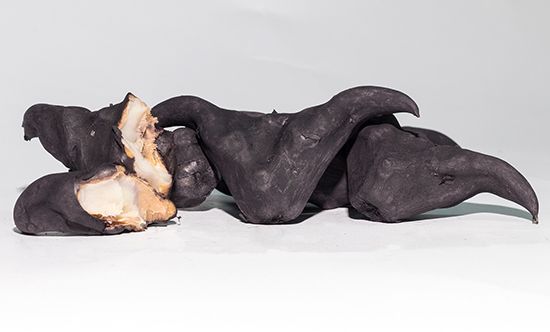
- Fruit: The fruit is 2.5 to 5 cm (1 to 2 inches) in diameter and typically features four spiny angles.1
Eleocharis dulcis (Chinese Water Chestnut)
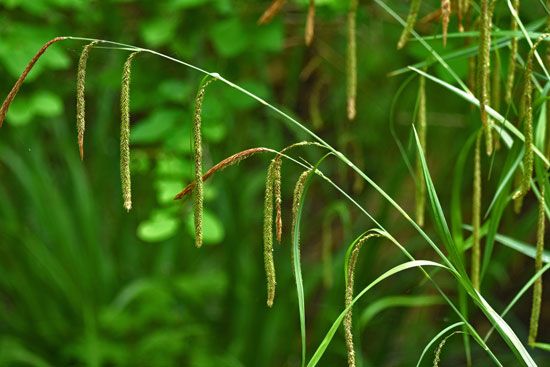
This plant is a member of the sedge family (Cyperaceae) and is physically distinct from the Trapa genus.1
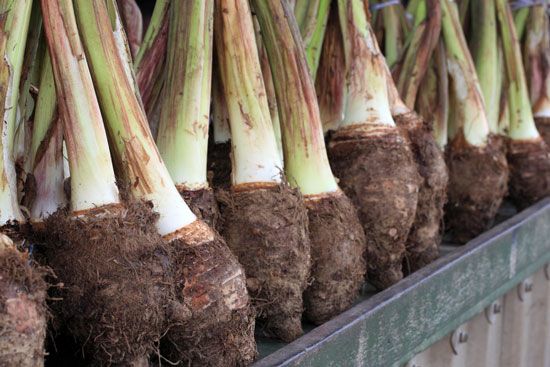
- Edible Part: It is cultivated for its crisp, whitish corms—often referred to as tubers—which remain crunchy even after cooking.12
How is the water chestnut plant different from other aquatic plants?
The term “water chestnut” refers to two distinct types of plants that differ significantly from other aquatic vegetation due to their specific cultivation for edible parts and unique physical structures.13
Trapa Species (Water Caltrops)
Unlike many common aquatic plants, Trapa species are characterized by their specialized reproductive structures. They produce edible, nutlike fruits that are distinctively spiny, often featuring four angles. Physically, they are adapted to both submerged and floating environments, possessing long, feathery, rootlike submerged leaves and floating leaves arranged in a loose rosette.1
Eleocharis dulcis (Chinese Water Chestnut)
This plant is a member of the sedge family (Cyperaceae), a group that plays a vital role in wetland ecosystems worldwide role in wetland ecosystems worldwide. Unlike many other sedges that are primarily used for weaving or as ornamental ground cover, Eleocharis dulcis is cultivated specifically for its underground corms (tubers). These corms are notable for remaining crisp even after being cooked, a trait that distinguishes them from the softer tissues of many other aquatic plants.12
What is a water chestnut plant and where does it naturally grow?
The term “water chestnut” refers to two distinct types of aquatic plants cultivated for their edible parts, rather than a single species.12
Trapa Species (Water Caltrops)
These aquatic herbs belong to the family Trapaceae (or Lythraceae) and are native to Europe, Asia, and Africa. They are primarily cultivated for their nutlike, spiny fruits. The most common species, Trapa natans, is considered an invasive species in parts of North America.12
Eleocharis dulcis (Chinese Water Chestnut)
This plant is a member of the sedge family (Cyperaceae) and is native to Asia. Unlike the Trapa genus, it is cultivated for its underground corms, which are widely used in cooking because they retain a crisp texture even after being boiled or fried.12
Are there any ecological concerns or invasive tendencies associated with water chestnut plants?
Yes, there are significant ecological concerns regarding certain water chestnut plants. Specifically, the European water chestnut (Trapa natans) is recognized as an invasive species in northeastern North America.1
Because Trapa natans grows in dense, floating rosettes, it can rapidly colonize water bodies, potentially outcompeting native vegetation and disrupting local aquatic ecosystems. In contrast, the Chinese water chestnut (Eleocharis dulcis) is primarily cultivated for its edible corms and is not typically categorized as an invasive threat in the same manner.1
While these plants are distinct from the issues of cultural eutrophication—which involves nutrient-driven algal blooms that deplete oxygen—the rapid spread of invasive aquatic plants can similarly alter the balance of a water body by changing light penetration and oxygen levels.14
Sources
- Water chestnut — Encyclopædia Britannica
- water chestnut — Merriam-Webster
- Cyperaceae - Economic and ecological importance — Encyclopædia Britannica
- water pollution - Domestic sewage — Encyclopædia Britannica
Published on · 3 min read