Root Vegetable
A root vegetable is a culinary and nutritional category describing any plant part that grows underground and is consumed as food. Because this is a culinary…
What is a root vegetable?
A root vegetable is a culinary and nutritional category describing any plant part that grows underground and is consumed as food. Because this is a culinary classification rather than a botanical one, it encompasses various underground structures, including true roots, bulbs, corms, rhizomes, and tubers.1
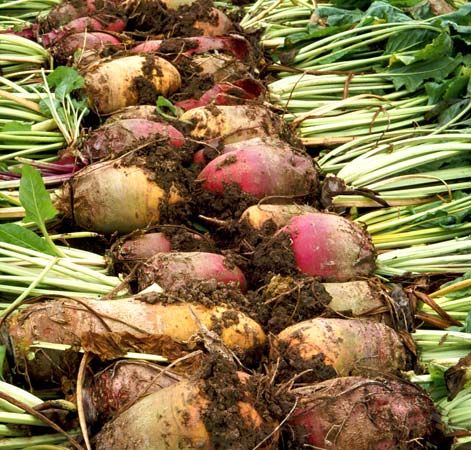
These vegetables serve as energy storage organs for plants, often accumulating starch and other nutrients. True roots include taproots like carrots and beets, while modified stems include potatoes (tubers), onions (bulbs), and ginger (rhizomes).1
Valued for their hardiness and ability to store well, these crops are essential staples globally, providing significant calories and versatility in cooking. Some, such as garlic and wasabi, are even prized for their flavor and used as spices.1
Can you name some common examples of root vegetables?
Root vegetables are a diverse group of underground plant structures used in cooking. While they are often grouped together, they belong to several botanical categories.1
Common Examples of Root Vegetables
- True Roots: These include taproots like carrots, parsnips, daikon, beets, and turnips1.
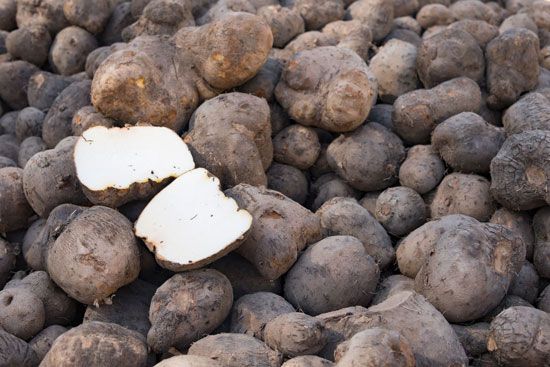
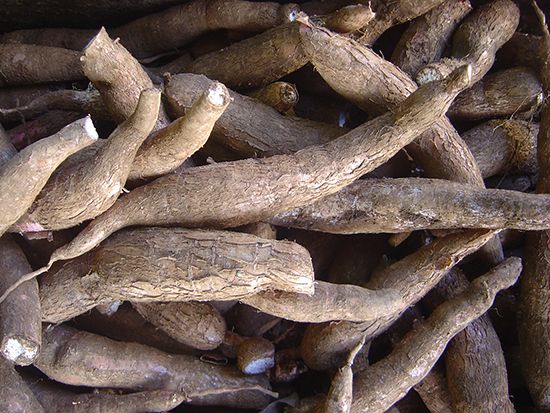
- Tubers: These are modified stems that store energy, such as potatoes, yams, cassava, Jerusalem artichokes, and jícama.1
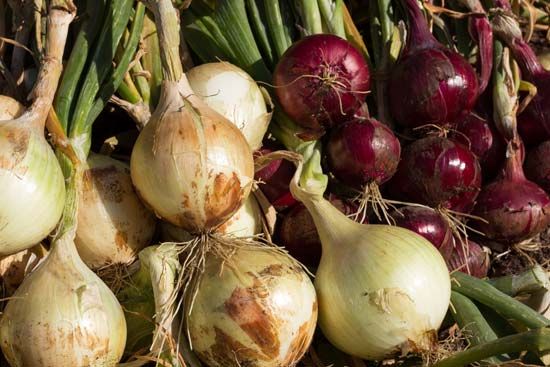
- Bulbs: These feature compressed, fleshy leaves, such as onions, garlic, and shallots.1
- Rhizomes: These grow horizontally underground and include ginger, turmeric, and wasabi.13
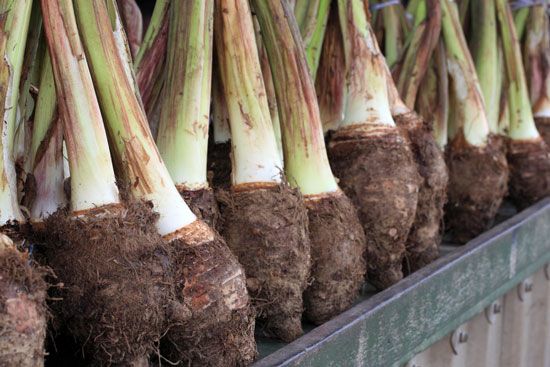
- Corms: These are modified stems similar to bulbs, such as taro and water chestnut.1
These vegetables are valued for their hardiness and ability to store well, making them essential staples in many global cuisines.1
How do root vegetables grow?
Root vegetables grow underground as specialized plant structures that function primarily as energy storage organs, allowing plants to survive difficult conditions like cold winters or drought. Because “root vegetable” is a culinary term rather than a botanical one, these plants utilize different parts of their anatomy to store starch and nutrients.14
- True Roots: Many, such as carrots and beets, develop from taproots that grow vertically downward into the soil.125
- Modified Stems: Other “root” vegetables are actually underground stems. Tubers, like potatoes, are thickened stems that store energy and can sprout new plants from “eyes” (buds). Rhizomes, such as ginger, grow horizontally, while corms and bulbs, like onions, feature compressed, fleshy leaf structures.164
These plants are highly successful as crops because they are generally hardy and require minimal resources to produce. Their ability to store energy underground makes them vital food sources, especially in regions with short growing seasons.1
Why are root vegetables important in our diet?
Root vegetables are essential components of the human diet, valued for their nutritional density and their role as reliable food staples. Because they function as energy storage organs for plants, many varieties—such as potatoes, cassava, taro, and yams—are rich in carbohydrates and starch, providing a vital source of calories.1
Beyond their energy content, these vegetables provide a wide variety of nutrients necessary for maintaining good health. Their importance is further underscored by their versatility: some are consumed fresh, while others are cooked or processed into flours that serve as the foundation for regional cuisines worldwide. Additionally, certain types, such as garlic, ginger, and wasabi, are highly prized for their distinct flavors and are often utilized as spices.1
Historically, their hardiness and ability to be stored for long periods in cool, dark environments have made them critical for food security, particularly in regions with harsh winters or climates where cereal grains are difficult to cultivate.1
Sources
- Root vegetable — Encyclopædia Britannica
- root vegetable — Merriam-Webster
- Rhizome — Encyclopædia Britannica
- Angiosperm - Shoot system modifications — Encyclopædia Britannica
- Angiosperm - Root systems — Encyclopædia Britannica
- Taproot — Encyclopædia Britannica
- Tuber — Encyclopædia Britannica
Published on · 3 min read