What’s the Difference Between Llamas and Alpacas?
Llamas and alpacas are both members of the camel family, Camelidae, but they differ significantly in physical characteristics and primary use.
What’s the Difference Between Llamas and Alpacas?
Llamas and alpacas are both members of the camel family, Camelidae, but they differ significantly in physical characteristics and primary use.123
Physical Differences
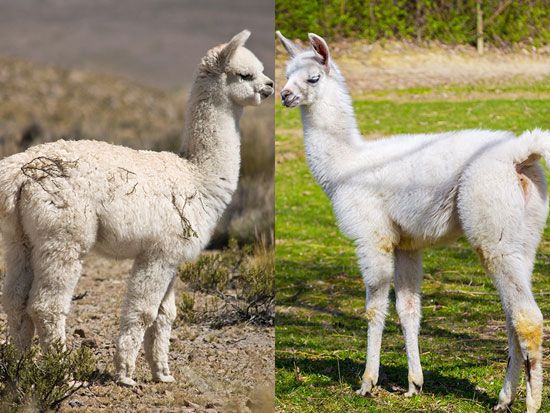
- Size: Llamas are the largest of the four lamoid species, standing about 120 cm (47 inches) at the shoulder and weighing roughly 113 kg (250 pounds). Alpacas are smaller, standing about 90 cm (35 inches) and weighing 55–65 kg (121–143 pounds).13
- Face and Ears: Alpacas have small, blunt faces with short ears, whereas llamas have elongated faces with distinct, banana-shaped ears.1
- Coat: Alpacas are prized for their shaggy, high-quality fleece used in textiles. Llama hair is coarser and generally considered inferior for fine wool production, though breeding efforts are underway to improve it.123
Disposition and Use
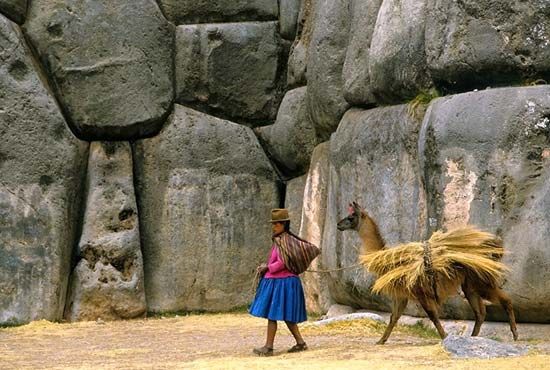
Humans have historically utilized these animals differently based on their temperaments. Llamas are strong, sturdy pack animals capable of carrying heavy loads over long distances. Alpacas are more timid, herd-oriented animals raised primarily for their valuable fleece. While both can spit or kick if mistreated, llamas are often employed as guard animals for other livestock.123
What are the wild ancestors of llamas and alpacas?
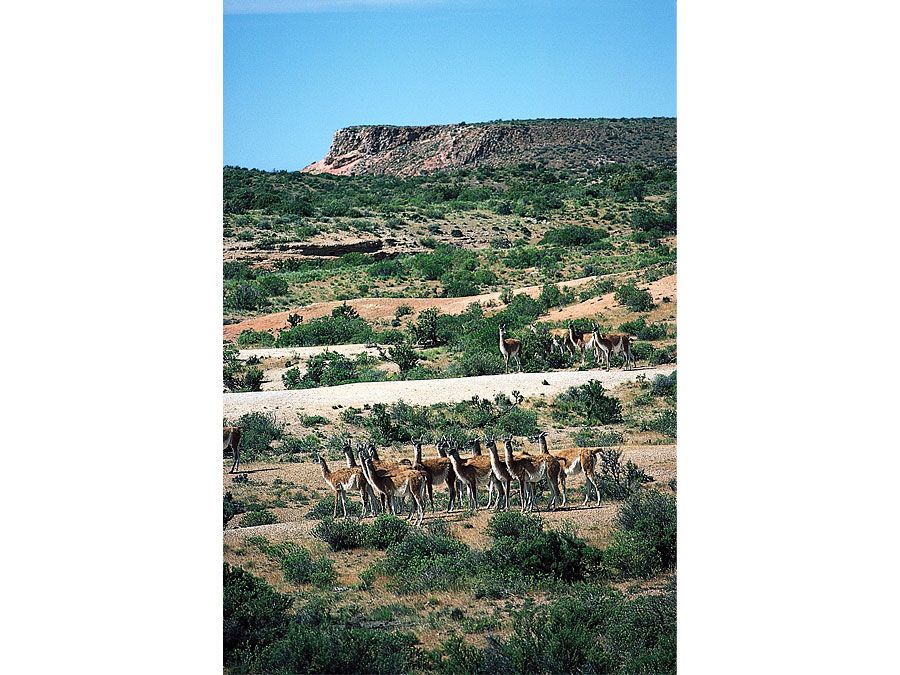
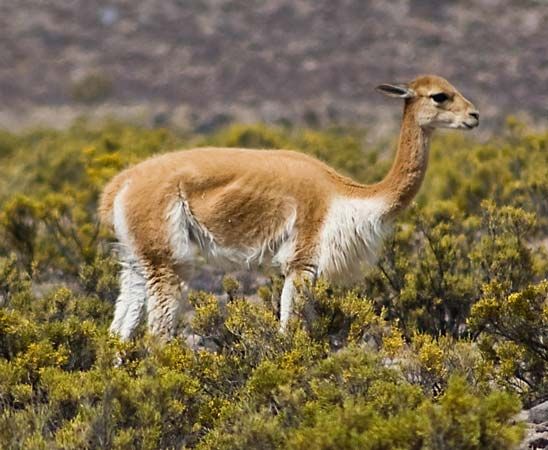
The wild ancestors of the domesticated South American camelids are the guanaco and the vicuña.
- Llamas: Genetic studies have confirmed that llamas (Lama glama) are descended from the guanaco (Lama guanicoe). Humans began breeding them from their wild ancestors approximately 6,500 years ago to serve as beasts of burden.41
- Alpacas: Alpacas (Vicugna pacos) are the domesticated descendants of the vicuña (Vicugna vicugna).51
While llamas and alpacas are now distinct domesticated species, they are closely related to their wild cousins, and all four species—collectively known as lamoids—are capable of interbreeding to produce fertile offspring.461
How do the huacaya and suri alpaca breeds differ?
The two primary breeds of alpaca, the huacaya and the suri, are distinguished primarily by the characteristics of their fleece, which were developed during pre-Columbian times.3
Fleece Characteristics
- Suri: This breed produces a fine, silky fleece that grows exceptionally long—sometimes reaching the ground if not sheared. Over a two-year growth period, suri hair can reach approximately 60 cm (23.6 inches) in length, with an average yield of about 3 kg (6.5 pounds) per animal.3
- Huacaya: The fleece of the huacaya is shorter and coarser than that of the suri. Over the same two-year cycle, the hair grows to about 30 cm (12 inches), yielding an average of approximately 2.5 kg (5.5 pounds) per animal.3
Both breeds produce alpaca fibre that is highly valued for being lightweight, strong, and resistant to the elements, making it an essential material for specialty hair fibre products like parkas and fine coat linings.3
Why are llamas often used as guard animals for other livestock?
Llamas are frequently utilized as guard animals for livestock, such as sheep and alpacas, primarily due to their physical size and protective disposition. As the largest of the four lamoid species, a llama can weigh significantly more than its smaller cousins, providing a formidable presence against potential threats.12
While llamas are generally gentle creatures, they possess a strong, protective nature. When they perceive a threat to their herd, they are known to react defensively by spitting, kicking, or hissing to deter predators. This combination of size, alertness, and defensive behavior makes them effective guardians for more timid animals that might otherwise be vulnerable to attack.12
Sources
- What’s the Difference Between Llamas and Alpacas? — Encyclopædia Britannica
- llama — Encyclopædia Britannica
- alpaca — Encyclopædia Britannica
- guanaco — Encyclopædia Britannica
- vicuña — Encyclopædia Britannica
- camel - Natural history — Encyclopædia Britannica
Published on · 3 min read