Vicuña
Vicuña fiber is highly prized for its exceptional quality and rarity. Derived from the vicuña, a wild member of the camel family native to the high Andes…
What are the unique characteristics of vicuña wool, and why is it so valuable?
Vicuña fiber is highly prized for its exceptional quality and rarity. Derived from the vicuña, a wild member of the camel family native to the high Andes, this specialty hair fiber is renowned for being remarkably fine, soft, and lustrous.12
The fiber’s unique characteristics include:
- Insulation: Its dense, silky fleece provides superior protection against the extreme temperature fluctuations of its high-altitude habitat.1
- Texture and Strength: While the fiber is strong and resilient, it is also incredibly fine, making it ideal for luxury garments like high-priced coats and shawls.12
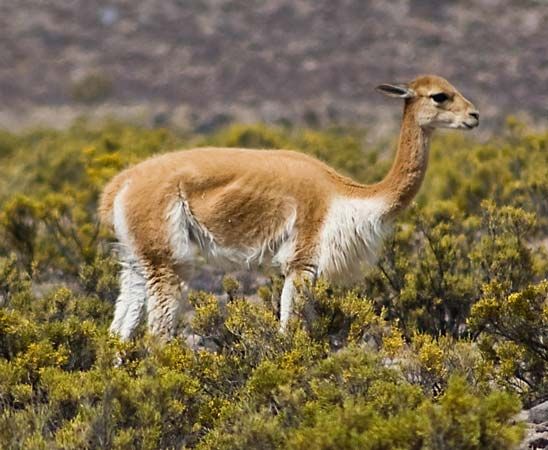
- Natural Color: It is generally used in its natural cinnamon-brown shade, which is considered a desirable and distinct aesthetic quality.12
The high value of vicuña wool stems from its scarcity and the labor-intensive process required to collect it. Historically reserved for Incan nobility, the fiber remains costly today due to the limited annual yield per animal and the specialized processing needed to separate the fine undercoat from coarser guard hairs.12
What are the main threats to vicuña populations in the wild?
Vicuña populations have faced significant historical threats, primarily driven by human activity. While the species is currently classified as of least concern by the International Union for Conservation of Nature, their numbers were once decimated by centuries of hunting and poaching.1
The primary threats to vicuñas include:
- Human Hunting and Poaching: Although the Inca practiced sustainable shearing, hunting intensified during the Spanish colonial period. Despite the introduction of 19th-century protective legislation, illegal poaching continued to drive population declines, reducing their numbers from approximately one million in the Incan era to roughly 10,000 by the late 1960s.1
- Natural Predation: In the wild, vicuñas are hunted by natural predators, including pumas and culpeos (Andean foxes).1
Conservation efforts have been highly successful, allowing populations to rebound to over 460,000 animals by 2020.1
How does the vicuña differ from its close relatives, like alpacas and llamas?
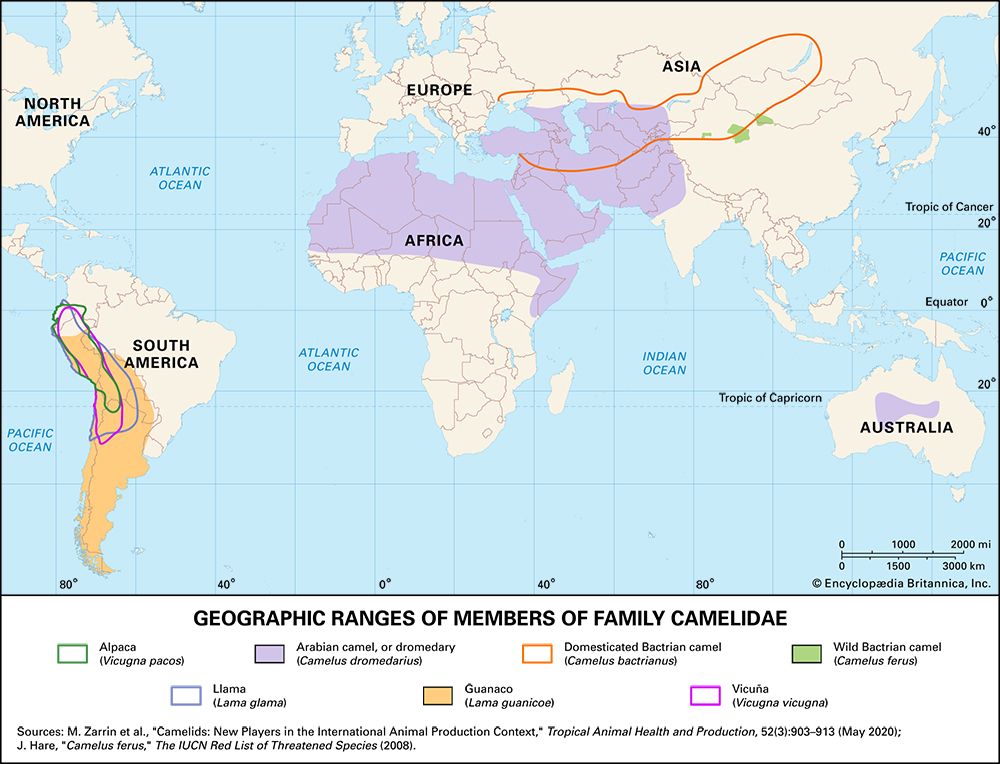
The vicuña (Vicugna vicugna) is the smallest member of the camel family and serves as the wild ancestor of the alpaca. While all four South American camelids—the vicuña, guanaco, llama, and alpaca—are collectively known as lamoids, they exhibit distinct differences in size, temperament, and utility.145
Key Differences
- Domestication: Unlike llamas and alpacas, which are domesticated, the vicuña is a wild animal with a temperament that precludes domestication. Similarly, the guanaco remains a wild species.156
- Size: The vicuña is the smallest of the group, standing about 90 cm (36 inches) at the shoulder and weighing approximately 50 kg (110 pounds). Alpacas are of a similar height but generally heavier (55–65 kg), while llamas are the largest, reaching 120 cm (47 inches) and weighing over 110 kg (250 pounds).1645
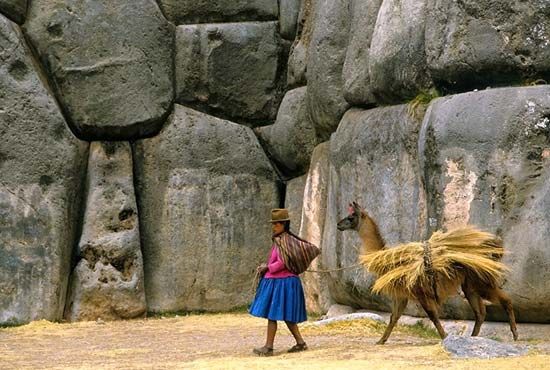
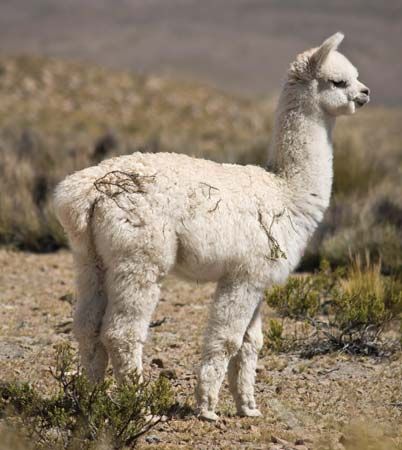
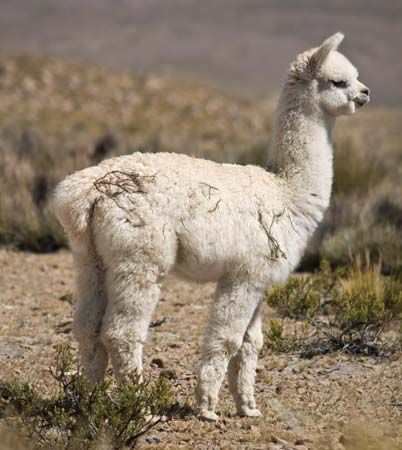
- Physical Features: Llamas have elongated faces with banana-shaped ears, whereas alpacas have smaller, blunt faces with short ears. Vicuñas are known for their graceful build and remarkably fine, cinnamon-colored fleece.61
- Utility: Llamas are primarily used as pack animals due to their strength, while alpacas and vicuñas are prized for their high-quality fiber.165
What role do vicuñas play in the ecosystem of the Andean highlands?
Vicuñas play a vital role in the Andean ecosystem, primarily as specialized grazers within the high-altitude puna grasslands.18
Their ecological contributions include:
- Vegetation Management: As ruminants, vicuñas graze on low grasses and herbs at altitudes between 3,600 and 4,800 metres. By consuming these plants, they help regulate the vegetation of the semiarid grasslands, similar to the role of domestic sheep.19
- Nutrient Cycling: Vicuñas utilize communal dung heaps to mark their territory. Research in southern Peru has shown that these sites significantly influence the local environment; the plants growing on or near vicuña dung differ from those found in the surrounding pasture, indicating that the animals contribute to localized nutrient enrichment and soil modification.19
- Trophic Interactions: As a prey species, they serve as a food source for native predators, including pumas and culpeos (Andean foxes), thereby supporting the food web of the high-altitude highlands.1
Sources
- vicuña — Encyclopædia Britannica
- specialty hair fibre — Encyclopædia Britannica
- vicuña — Merriam-Webster
- What’s the Difference Between Llamas and Alpacas? — Encyclopædia Britannica
- camel - Natural history — Encyclopædia Britannica
- alpaca — Encyclopædia Britannica
- llama — Encyclopædia Britannica
- Peru - The Sierra — Encyclopædia Britannica
- artiodactyl - Food habits — Encyclopædia Britannica
Published on · 3 min read