Whippet
The whippet is a medium-sized hound breed characterized by a slim but powerful body and a long, arched neck. Developed in 19th-century England from terriers…
What are the physical characteristics that distinguish whippets from other dog breeds?
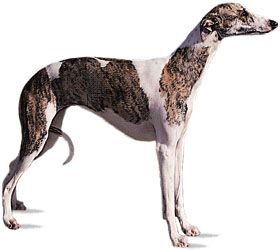
The whippet is a medium-sized hound breed characterized by a slim but powerful body and a long, arched neck. Developed in 19th-century England from terriers and small greyhounds, the breed possesses a sleek appearance and a close, smooth coat that typically comes in shades of gray, tan, or white.12
Physically, whippets stand between 18 and 22 inches (46 to 56 cm) tall and weigh approximately 28 pounds (13 kg). Their build is designed for speed, allowing them to reach up to 35 miles (56 km) per hour, which has historically earned them the nickname “poor man’s racehorse” in England. Unlike some other hound breeds that feature heavy bones, drooping ears, or rough, wiry coats, the whippet’s anatomy is refined for agility and efficient movement.12
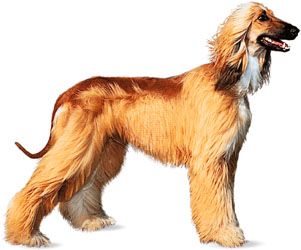
How do whippets compare to greyhounds in terms of speed and appearance?
Whippets and greyhounds share a common ancestry, as the whippet was developed in 19th-century England by crossing terriers with small greyhounds. Despite their shared lineage, they differ significantly in size, build, and speed.1
Comparison of Characteristics
Feature
Whippet
Greyhound
Height
18–22 inches (46–56 cm)
25–27 inches (64–69 cm)
Weight
~28 pounds (13 kg)
60–70 pounds (27–32 kg)
Top Speed
Up to 35 mph (56 km/h)
Up to 45 mph (72 km/h)
Build
Slim, powerful, long arched neck
Sleek, muscled body
While both breeds feature a short, smooth coat, the greyhound is notably larger and heavier, possessing a more muscular frame that allows it to reach higher top speeds. The whippet, often called the “poor man’s racehorse,” is a medium-sized dog refined for agility and quick bursts of speed, whereas the greyhound holds the title of the fastest dog breed.1
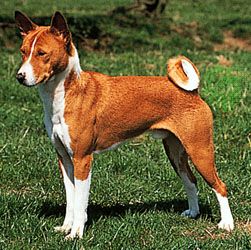
How has the whippet breed influenced the development of other sighthound breeds?
The premise that the whippet influenced the development of other sighthound breeds is inaccurate. Historical records indicate the opposite: the whippet was developed in mid-19th-century England by crossing terriers with existing sighthound breeds, specifically small greyhounds and Italian greyhounds, to create a specialized dog for chasing rabbits in an arena setting.1
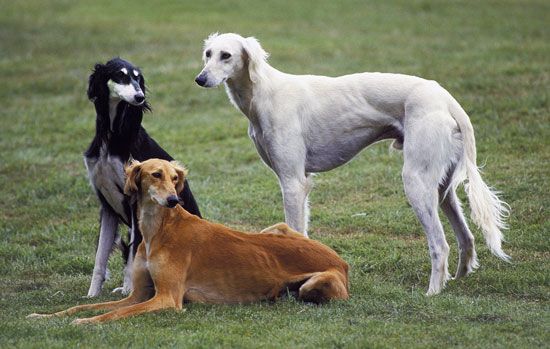
Rather than serving as a progenitor for other sighthounds, the whippet is a product of selective breeding designed to combine the speed of the greyhound with the temperament and size suitable for its specific purpose as a “poor man’s racehorse.” Other sighthounds, such as the Saluki and the Borzoi, have distinct, ancient lineages that predate the development of the whippet.1
We could dive deeper into the history of sight hounds or explore how different breeding goals have shaped the diverse characteristics of modern dog breeds.
How successful are whippets in dog sports and competitions?
Whippets are highly successful and well-regarded in various dog sports, primarily due to their exceptional speed and agility. Developed in 19th-century England, the breed was specifically created to chase rabbits for sport in an arena setting, earning them the nickname the “poor man’s racehorse.”1
Today, their athletic capabilities remain a defining characteristic of the breed. They are frequently used for racing, where they can reach speeds of up to 35 miles (56 km) per hour. Beyond racing, their even-tempered nature and physical prowess make them capable participants in a variety of canine performance events that emphasize speed and quick maneuvering.1
Sources
- whippet — Encyclopædia Britannica
- hound — Encyclopædia Britannica
- dog - Senses — Encyclopædia Britannica
Published on · 3 min read