Hound
A hound is a classification of hunting dogs that is distinct from other sporting categories like setters, retrievers, or pointers. These dogs were…
What is hound?
A hound is a classification of hunting dogs that is distinct from other sporting categories like setters, retrievers, or pointers. These dogs were historically bred and trained to track or pursue game using either their sense of smell or their vision.1
Hounds are generally divided into two main groups:
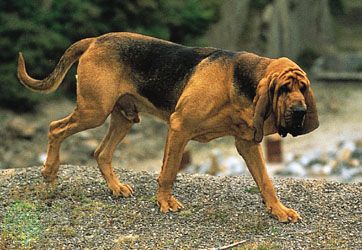
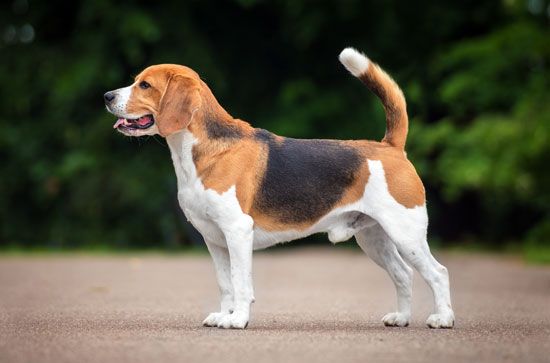
- Scent hounds: These dogs, such as the bloodhound and beagle, are trained to track game by scent, whether in the air or on the ground.12
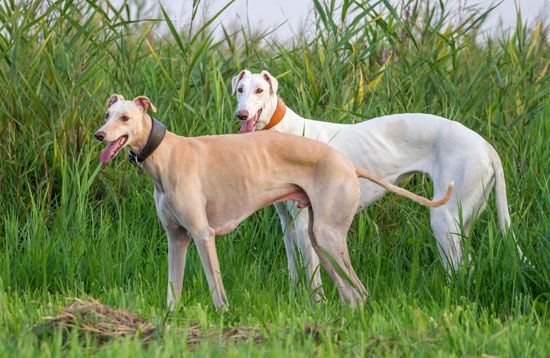
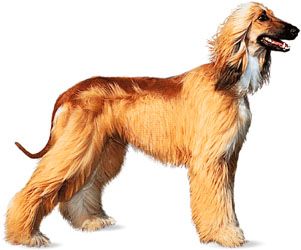
- Sight hounds: These breeds, such as the greyhound and Afghan hound, were developed to chase game by sight over long distances.13
The group is highly diverse, ranging from small, low-slung breeds like the dachshund to the tall, fleet-footed Irish wolfhound. While some hounds, such as foxhounds, are known for running in packs, others like the Saluki typically course alone the Saluki typically course alone. Beyond their role as hunting companions, the term “hound” can also colloquially refer to a person who avidly pursues or collects something.4215
What are the main physical differences between scent hounds and sight hounds?
Scent hounds and sight hounds are physically adapted to their specific hunting methods. While scent hounds rely on their olfactory capabilities, sight hounds are built for visual tracking and speed.
Scent Hounds
These breeds are characterized by physical traits that maximize their ability to detect and hold scents:
- Olfactory Capacity: They possess a high number of scent receptors, allowing them to follow trails over vast distances.8
- Facial Structure: Many scent hounds, such as the bloodhound, feature long ears and loose facial skin. These physical attributes are specifically suited for stirring up, trapping, and holding scent particles close to the dog’s nose.8
- Nose Shape: They typically have well-developed, longer muzzles, as short-nosed breeds are generally less effective at tracking.4
Sight Hounds
These breeds, such as the Saluki and Afghan hound, are physically optimized for visual pursuit:
- Vision: Their eyes are positioned toward the sides of their heads, providing a wider field of vision that allows them to detect movement on the horizon from great distances.4
- Function: They are built to chase game by sight rather than by scent, prioritizing the ability to spot and pursue prey over long distances.4
How do hounds differ from other types of working or sporting dogs?
Hounds are a distinct classification of hunting dogs defined by their specialized ability to track or pursue game using either scent or sight. While other categories of working and sporting dogs share a history of assisting hunters, their specific roles and methods differ significantly from those of hounds.10
Distinctions in Hunting Roles
- Hounds: These dogs are primarily categorized by their tracking method. Scent hounds follow trails on the ground or in the air, while sight hounds rely on visual pursuit to chase game over long distances.10
- Gun Dogs: This group includes spaniels, setters, and pointers. Unlike hounds, which often pursue game independently, gun dogs work closely with the hunter. They locate birds, “point” to indicate their position, and retrieve them after they have been shot.113
- Other Working Dogs: Beyond hunting, other working breeds were developed for distinct tasks such as herding livestock, guarding property, or ridding granaries of rodents, as seen with terrier breeds.12
Why were certain hound breeds, like the Rhodesian Ridgeback, developed for specific hunting tasks?
Hound breeds were developed with specific physical and temperamental traits to excel at particular hunting tasks. These specialized characteristics allowed them to perform roles ranging from tracking small game to confronting large predators.
Purpose-Driven Development
The Rhodesian Ridgeback, for example, was specifically bred in Southern Africa to hunt lions. To succeed in this dangerous task, the breed was developed to be strong, active, and possess great endurance. Its heritage as a “lion hound” required a combination of power, independence, and courage, traits that also make it an effective guard dog today.133
Specialized Hunting Roles
Other hound breeds were similarly engineered for specific environments and prey:
- Tracking and Treeing: Breeds like the Black and Tan Coonhound were developed for their ability to track and “tree” raccoons.3
- Small Game Pursuit: The Beagle was refined for its excellence in rabbit hunting, while the Whippet was developed to chase rabbits for sport.3
- Endurance and Terrain: The Basset Hound was bred with short legs and a heavy bone structure, traits that historically aided in tracking game through dense undergrowth.3
Sources
- hound dog — Merriam-Webster
- dog - Hounds — Encyclopædia Britannica
- hound — Encyclopædia Britannica
- scent hound — Merriam-Webster
- sight hound — Merriam-Webster
- dog - Origin of breeds — Encyclopædia Britannica
- hound — Merriam-Webster
- Why are bloodhounds used as police dogs? — Encyclopædia Britannica
- dog - Senses — Encyclopædia Britannica
- hunting - Dogs — Encyclopædia Britannica
- dog - The breeds — Encyclopædia Britannica
- pointer — Encyclopædia Britannica
- Rhodesian Ridgeback — Encyclopædia Britannica
- Rhodesian ridgeback — Merriam-Webster
Published on · 3 min read