Whitefly
Controlling whitefly populations in agriculture involves a combination of chemical and nonchemical strategies to mitigate the damage caused by these…
What methods are used to control whitefly populations in agriculture?
Controlling whitefly populations in agriculture involves a combination of chemical and nonchemical strategies to mitigate the damage caused by these sap-sucking insects.1
Chemical Control
Chemical interventions are often necessary to manage infestations. For specific species like the citrus whitefly, oil or parathion sprays are utilized. Because whiteflies can damage plants through both adult and larval stages, effective chemical control requires sprays that target both life stages. Additionally, systemic insecticides—which are absorbed by the plant—can be used to kill insects that feed on plant tissues while leaving beneficial insects unharmed.12
Nonchemical and Integrated Control
To reduce reliance on chemicals and minimize environmental impact, agriculturalists employ various nonchemical methods:
- Cultural Practices: Techniques such as the destruction of crop residues, deep plowing, and crop rotation help reduce insect damage.3
- Biological Controls: The use of natural parasites, predators, and microbial agents (such as viruses or fungi) can help manage pest populations.4
- Integrated Pest Management: This approach coordinates multiple methods, such as combining resistant crop varieties with targeted insecticide use or pairing physical traps with specific management practices.4
How do whiteflies reproduce and what is their life cycle like?
Whiteflies, members of the family Aleyrodidae, undergo a unique form of metamorphosis that deviates from the typical gradual development seen in many other insects. Their life cycle consists of several distinct stages:56
- Larval Stage: The cycle begins with an active, wingless first instar, commonly referred to as a larva.5
- Nymphal Stage: During the three subsequent instars, the immature insects become sessile (stationary) and scalelike, often appearing flat, oval, and covered in a cottony substance. During these stages, internal wing development takes place.56
- Pupal Stage: The transition from the final larval instar to the pupa occurs within the last larval skin, which forms a protective structure known as a puparium.5
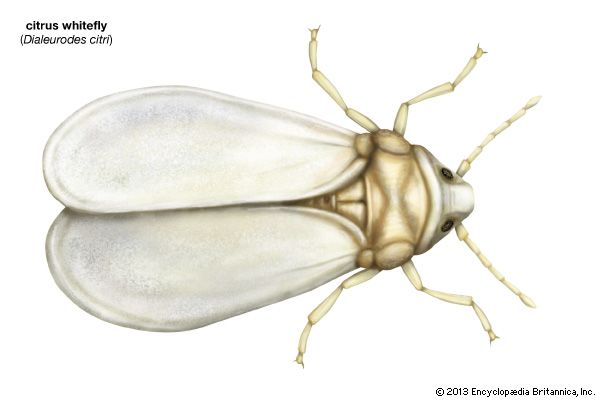
- Adult Stage: Once the final molt is complete, the adult whitefly emerges, typically measuring 2–3 mm in length and covered in a white, opaque powder that gives it the appearance of a tiny moth.56
While whiteflies cannot survive outdoors during winter in northern climates, they are capable of producing several generations annually in warmer regions.5
What is the taxonomic classification of whiteflies?
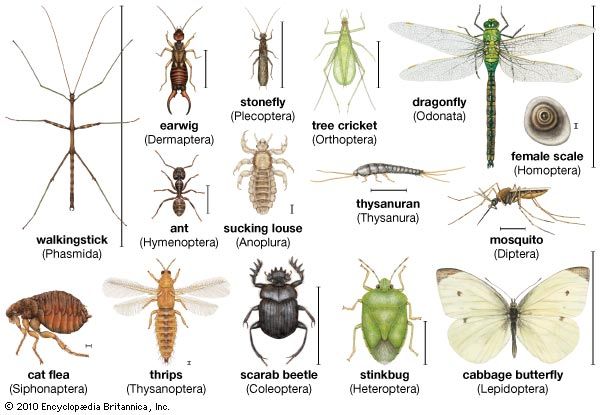
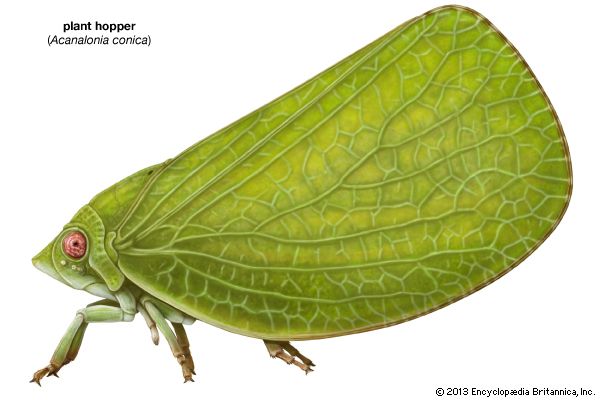
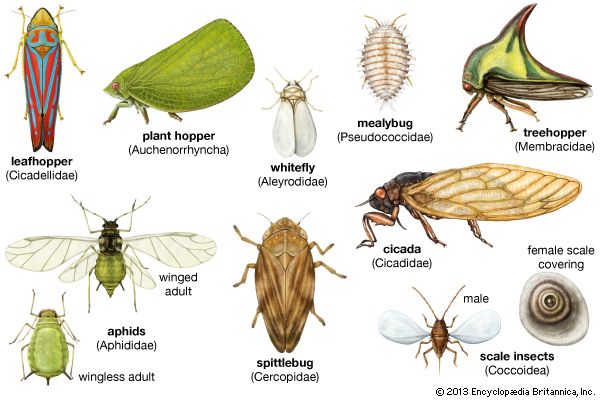
Whiteflies are classified within the insect family Aleyrodidae. Historically and taxonomically, they are categorized under the order Homoptera.839
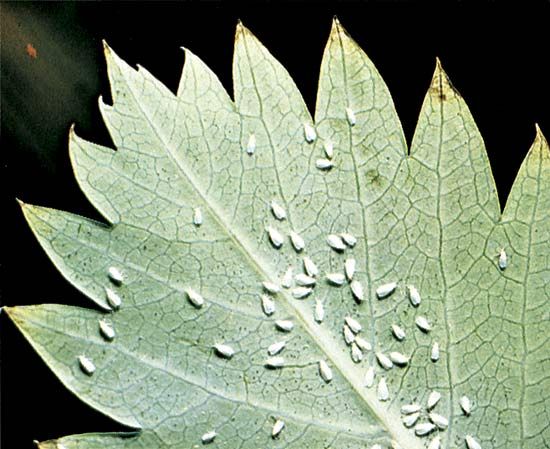
These minute insects are characterized by their sap-sucking behavior and unique physical appearance, with adults typically covered in a white, powdery wax that gives them a moth-like appearance. The family includes numerous species that serve as significant agricultural pests, such as the citrus whitefly (Dialeurodes citri) and the greenhouse whitefly (Trialeurodes vaporariorum).83
How do whiteflies cause damage to plants?
Whiteflies cause significant damage to plants through several direct and indirect mechanisms:
- Sap Extraction: As sap-sucking insects, whiteflies ingest large quantities of plant sap to obtain necessary nutrients. This process reduces the overall vigor of the host plant, often leading to wilting, yellowing, and eventually plant death.3
- Honeydew Production: During digestion, whiteflies exude a sweet, sticky substance known as honeydew. This byproduct accumulates on the plant surface and serves as a substrate for the growth of sooty fungus. This fungal growth can ruin fruit and significantly reduce the plant’s ability to photosynthesize.3
- Disease Transmission: Whiteflies act as vectors for various plant viruses. By feeding on infected plants and moving to healthy ones, they facilitate the spread of systemic diseases that can severely impact crop health.10
Sources
- Agricultural technology - Mechanical and cultural controls — Encyclopædia Britannica
- Agricultural technology - Biological controls — Encyclopædia Britannica
- Whitefly — Encyclopædia Britannica
- Agricultural technology - Chemical control of insects — Encyclopædia Britannica
- homopteran - Whiteflies — Encyclopædia Britannica
- Diptera - Eggs — Encyclopædia Britannica
- Lepidoptera - Egg — Encyclopædia Britannica
- Aleyrodidae — Merriam-Webster
- whitefly — Merriam-Webster
- Plant disease - Transmission — Encyclopædia Britannica
- homopteran - Honeydew — Encyclopædia Britannica
Published on · 3 min read