Why Are Boxer Dogs Called Boxers?
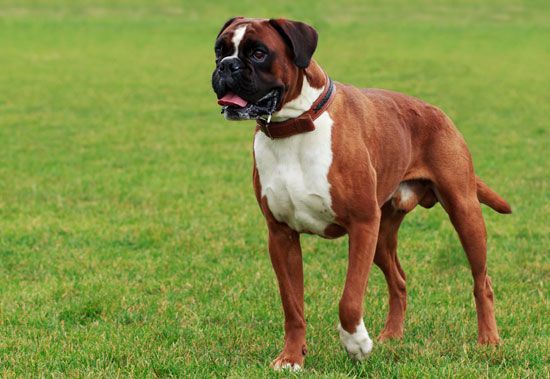
The Boxer breed is named for its unique, signature behavior of standing on its hind legs and using its front paws to "box" during play or combat, a movement…
Why are Boxer dogs called Boxers?
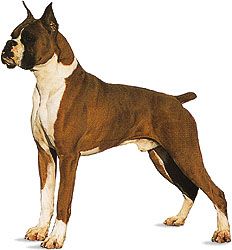
The Boxer breed is named for its unique, signature behavior of standing on its hind legs and using its front paws to “box” during play or combat, a movement reminiscent of a human participant in boxing play or combat, a movement reminiscent of a human participant in boxing.1
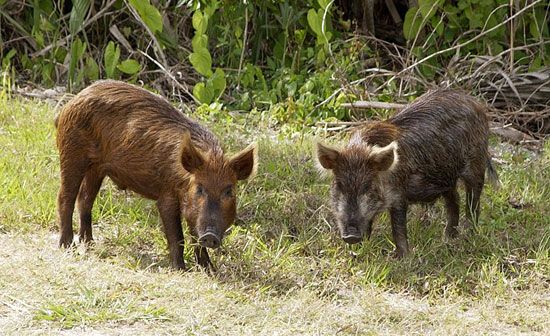
This behavior is not merely a playful quirk; it reflects the breed’s agility, alertness, and protective instincts. Historically, the Boxer’s ancestors, such as the Bullenbeisser, were used by noblemen to hunt and hold large game like bear and wild boar, which required significant physical strength and courage. Today, the breed is valued as a versatile working dog and companion, known for its intelligence and protective nature.21
What was the Bullenbeisser and how did it influence the Boxer breed?
The Bullenbeisser was a large, powerful ancestor of the modern Boxer breed. During medieval times, noblemen utilized these dogs on vast ducal estates to track, catch, and hold formidable game, including wild boar, bear, and bison.1
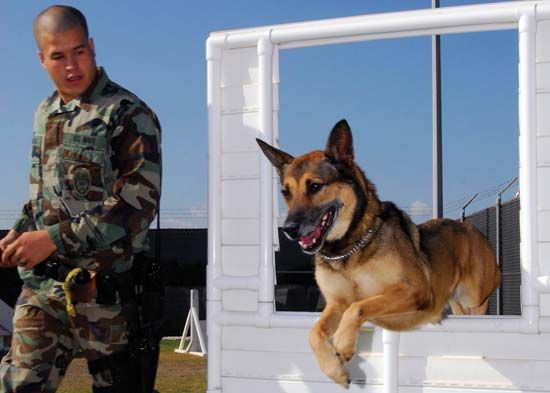
The Bullenbeisser’s influence on the Boxer is foundational, contributing the courage, intelligence, and physical strength that define the breed today. While the modern Boxer was developed in Germany through the integration of Bulldog and Great Dane strains, it inherited the protective instincts and robust, agile physique of its larger ancestor. This heritage is evident in the Boxer’s historical role as a big-game hunter and its contemporary success as a working dog in police and protection roles.21
What are some common health challenges for brachycephalic dog breeds?
Brachycephalic dogs—breeds characterized by their flat faces, such as pugs, bulldogs, French bulldogs, and shih tzus—face significant health challenges due to their selectively bred, exaggerated features. It is ethically concerning that these physical traits, while considered “cute” by some, often cause severe suffering for the animals.3
Common health challenges include:
- Respiratory Issues: These breeds are prone to obstructions in their upper respiratory tracts, which can be serious enough to require surgery. Because they struggle to breathe, they have a reduced capacity for physical activity and are highly susceptible to overheating.3
- Ocular Problems: Due to their prominent, bulging eyes, these dogs are highly susceptible to eye irritations and corneal lacerations, which require prompt veterinary attention to prevent permanent damage.34
- Feeding Difficulties: The structural modification of their jaws and faces can make eating physically challenging for these dogs.3
Given these inherent health risks, animal-welfare organizations and veterinarians have raised serious concerns regarding the ethics of breeding for these extreme features.3
How do working dog breeds differ from companion dog breeds?
Working dog breeds and companion (or “Toy”) dog breeds differ primarily in their historical purpose, physical development, and temperament.
Working Dog Breeds
Working dogs were selectively bred to serve humans in practical, task-oriented roles such as guarding, herding, pulling, or rescue work.56
- Physical Traits: These breeds typically range from medium to large in size and are characterized by a robust, muscular, and sturdy build designed for strength and endurance.56
- Temperament: They generally possess a “business-like” disposition, showing high levels of intelligence, loyalty, and alertness. They are often inclined to evaluate situations and instinctively perform tasks, such as guarding territory or protecting livestock, even from a young age.57
Companion (Toy) Dog Breeds
The Toy group was developed specifically to be companion animals, often for aristocracy.8
- Physical Traits: These dogs were bred to be small, portable, and fine-boned. While they are diverse in appearance—ranging from hairless to profusely coated—they are generally balanced and graceful.8
- Temperament: They are typically alert and vigorous, yet they were nurtured to be good-natured and affectionate pets. Unlike working breeds, their primary historical function was to provide companionship, making them well-suited for apartment or small-house living.89
While most modern dogs are kept as pets rather than for their original work, their innate, breed-specific instincts often remain strong.7109
Sources
- Why are Boxer dogs called Boxers? — Encyclopædia Britannica
- Boxer — Encyclopædia Britannica
- Is It Wrong to Own a Flat-Faced Dog? — Encyclopædia Britannica
- dog - Ailments — Encyclopædia Britannica
- dog - Working dogs — Encyclopædia Britannica
- working dog — Encyclopædia Britannica
- dog - Toys — Encyclopædia Britannica
- dog - Breed-specific behaviour — Encyclopædia Britannica
- dog - Skeletal structure — Encyclopædia Britannica
- dog - Dogs as pets — Encyclopædia Britannica
Published on · 3 min read