Why Are Some Eggs Brown and Some White?
The color of an eggshell is determined primarily by the genetics of the hen that laid it.
Why are some eggs brown and some white?
The color of an eggshell is determined primarily by the genetics of the hen that laid it.1
A simple way to predict the color is by looking at the hen’s earlobes:
- White eggs: Typically laid by hens with white earlobes.1
- Brown eggs: Usually produced by hens with red earlobes.1
While environmental factors, stress, and diet can influence the vibrancy or shade of the shell, they cannot change the fundamental color, which is fixed by the bird’s breed. Additionally, despite common myths, there is no difference in the nutritional profile between brown and white eggs; they are nutritionally equivalent eggs; they are nutritionally equivalent.1
What pigments create the colors on eggshells?
The colors on eggshells are created by specific pigments deposited during the formation process. While the provided information confirms that eggshell color in chickens is primarily determined by genetics and breed, other species utilize distinct pigments to achieve different hues.1
For instance, the blue color of robin eggs is caused by a pigment called biliverdin. This pigment is deposited onto the shell from the mother’s bloodstream as the egg is being laid. Scientists believe this coloration serves an evolutionary purpose, potentially acting as a filter to protect the developing embryo from harmful ultraviolet (UV) radiation, especially in nests exposed to direct sunlight.2
While the search results highlight biliverdin as a key pigment for blue eggs, they do not explicitly name the specific chemical pigments responsible for the brown or white coloration in chicken eggs, noting only that these colors are fixed by the hen’s genetic makeup.1
Do other birds lay eggs in different colors?
Yes, many bird species lay eggs in a wide variety of colors, including blue, brown, and various speckled or blotched patterns. These colors are not merely decorative; they often serve critical biological and evolutionary functions.1
The Role of Pigments
The colors on eggshells are created by the deposition of specific biological pigments during the egg’s formation. Two primary groups of pigments are responsible for these hues:34
- Bilins (e.g., Biliverdin): These pigments, derived from the breakdown of heme, are responsible for blue and green shades. For example, the blue color of American robin eggs is caused by biliverdin, which is thought to act as a filter against harmful ultraviolet (UV) radiation, protecting the developing embryo in exposed nests.456
- Porphyrins: These pigments are responsible for reddish-brown colors and spots. Ooporphyrin, for instance, creates the characteristic red flecks found on the eggs of plovers and many other birds.3
Evolutionary Functions
Beyond protection from radiation, egg coloration serves several adaptive purposes:
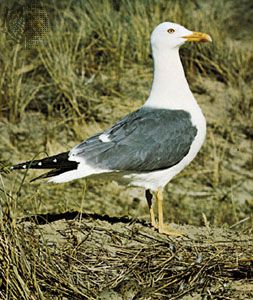
- Camouflage: For species that nest on the ground or in open areas, such as gulls, speckled or mottled patterns help conceal the eggs from predators.2
- Individual Recognition: In colonial nesting birds like the common murre, eggs exhibit a wide range of unique base colors and markings. Researchers believe these distinct patterns allow parents to identify their own eggs among the thousands laid in a crowded colony.1
How do genetics determine the color of an egg?
The color of an eggshell is primarily determined by the genetics of the hen that lays it. This trait is fixed at the breed level; for instance, hens with white earlobes typically lay white eggs, while those with red earlobes generally produce brown eggs.1
While external factors such as a hen’s diet, living conditions, or stress can influence the shade or vibrancy of the shell, they cannot alter its fundamental color. A white egg will not turn brown, nor will a brown egg turn white, because the basic pigment profile is dictated by the bird’s genetic makeup.1
It is important to note that despite differences in shell color, brown and white eggs possess the same nutritional profile. While pigments like melanin and carotenoids are well-documented in the coloration of bird feathers, the specific genetic mechanisms regulating the deposition of pigments onto the eggshell remain distinct from those governing plumage.19
Sources
- Why are some eggs brown and some white? — Encyclopædia Britannica
- Why are robin eggs blue? — Encyclopædia Britannica
- Animal behaviour - Natural selection in action — Encyclopædia Britannica
- Reproductive behaviour - Birds — Encyclopædia Britannica
- coloration - Porphyrins — Encyclopædia Britannica
- 7 animals that lay the most unusual eggs — Encyclopædia Britannica
- Porphyrin — Encyclopædia Britannica
- coloration - Bilins — Encyclopædia Britannica
- Integument - Birds — Encyclopædia Britannica
Published on · 3 min read