Why Are Robin Eggs Blue?
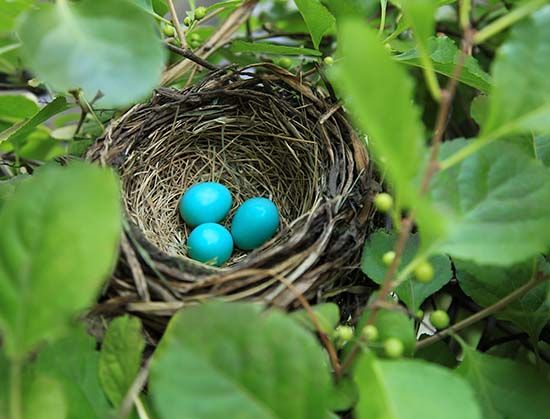
Robin eggs are blue due to the presence of a pigment called biliverdin, which is deposited on the eggshell from the mother’s bloodstream as it is laid.
Why are robin eggs blue?
Robin eggs are blue due to the presence of a pigment called biliverdin, which is deposited on the eggshell from the mother’s bloodstream as it is laid.1
This coloration is considered an evolutionary adaptation that likely serves to protect the developing embryo from sunlight. The blue pigment acts as a filter, reducing the amount of harmful ultraviolet (UV) radiation that reaches the interior of the egg. This protection is particularly beneficial for American robins, which frequently build their nests in open environments where they are exposed to direct sun.1
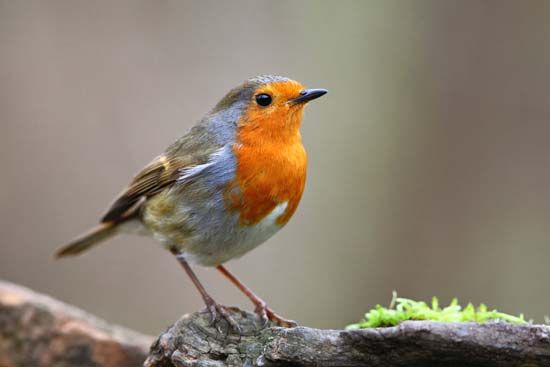
It is worth noting that this trait is specific to the American robin; the European species produces white eggs.1
What is the role of biliverdin in other animals?
Biliverdin is a green bilin pigment formed as a metabolic byproduct during the breakdown of heme groups from hemoglobin. While it is well-known for its role in coloring bird eggs, its function in animals is primarily linked to metabolic and excretory processes.21
In mammals, biliverdin is an intermediate in the degradation of heme into bilirubin, a process that occurs within the body’s tissues. Beyond its role as a metabolic waste product, there is evidence that bilirubin, when accompanied by iron salts, can promote the synthesis of new hemoglobin in humans and other mammals, such as dogs and rabbits, particularly when they are suffering from secondary anemia.21
Bilins are not exclusive to mammals; they are found throughout the animal kingdom, including in invertebrates and lower vertebrates, where they contribute to the coloration of various tissues and secretions. While biliverdin specifically functions as a pigment in these contexts, it is part of a broader family of compounds that serve critical roles in other organisms, such as acting as accessory pigments for photosynthesis in red algae or regulating photoperiodic processes in plants via phytochrome.32
How do birds choose where to build their nests?
Birds choose their nesting sites based on a variety of factors, primarily driven by the need to maximize reproductive success and ensure the safety of their offspring. The selection process is heavily influenced by natural selection, as birds that choose secure and resource-rich locations are more likely to pass on their genes.5
Key considerations in nest site selection include:
- Predator Avoidance: Concealment is a primary driver for many species. For example, some colonies of honeybees and various birds choose dense vegetation to hide their nests from predators. Similarly, some passerines build flimsy nests as an adaptation to reduce visibility to predators.56
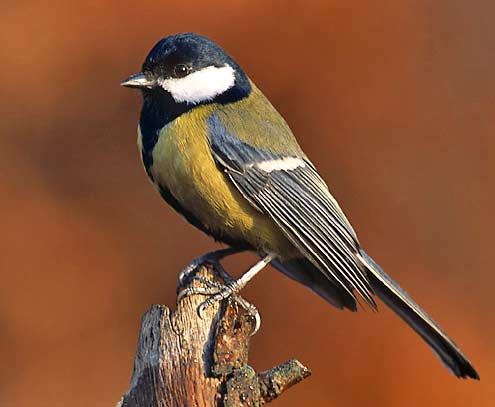
- Territory Quality: For many species, such as the great tit, the ability to secure a high-quality territory—often defined by access to superior food resources—is essential. Males may use vocalizations to advertise and defend these prime locations.5
- Environmental Protection: Nest sites are often chosen to provide shelter from the elements. Some birds nest in holes in trees, rock crevices, or earthen banks to protect their brood from weather and predators.6
- Accessibility and Structure: For flightless birds or those with specific physical limitations, the site must be accessible. For instance, some mesites require a series of connecting branches to reach their nests.7
What are some other ways birds protect their eggs from predators?
Beyond selecting secure nesting sites, birds employ several sophisticated strategies to protect their eggs and brood from predators:
- Eggshell Removal: Many birds, such as black-headed gulls, remove empty eggshells from the nest shortly after hatching. This is a critical antipredatory measure because the white, conspicuous interiors of broken shells can attract predators to the nest.107
- Distraction Displays: Some birds use ritualized behaviors to deceive predators. A well-known example is the “broken-wing display,” where a parent flutters along the ground as if injured to lure a predator away from the nest and vulnerable young.11
- Strategic Nest Placement: Beyond simple concealment, some birds place their nests in close proximity to the nests of aggressive insects, such as social wasps or stinging ants, which provide a natural deterrent against potential intruders.7
- Mobbing: Birds may engage in mobbing behavior, where they collectively harass a predator—such as an owl—to drive it away from the nesting area. These displays often involve conspicuous movements and specific, easy-to-locate calls.12
- Warning Signals: When immediate danger is present, birds emit long, whistled warning calls. These are designed to be difficult for predators to locate, helping to alert the brood or other colony members to the threat.12
Sources
- Why are robin eggs blue? — Encyclopædia Britannica
- Bilin — Encyclopædia Britannica
- coloration - Bilins — Encyclopædia Britannica
- biliverdin — Merriam-Webster
- Bird - Nesting — Encyclopædia Britannica
- Gruiform - Nesting — Encyclopædia Britannica
- Animal behaviour - Natural selection in action — Encyclopædia Britannica
- Passeriform - Nesting — Encyclopædia Britannica
- Avoidance behaviour - Warning behaviour — Encyclopædia Britannica
- Reproductive behaviour - Birds — Encyclopædia Britannica
- Reproductive behaviour - Parental care — Encyclopædia Britannica
- Display behaviour — Encyclopædia Britannica
Published on · 3 min read