Why Do Owls Hoot?
The hooting of an owl is a vital form of vocalization that serves several essential functions in the bird's life, primarily related to survival and…
Why do owls hoot?
The hooting of an owl is a vital form of vocalization that serves several essential functions in the bird’s life, primarily related to survival and reproduction.12
Primary Reasons for Hooting
- Territorial Defense: Owls use hoots to establish and protect their territory. By calling out, an owl warns others of its presence and discourages intruders from entering its claimed area, particularly during the breeding season when nesting sites are highly valued.12
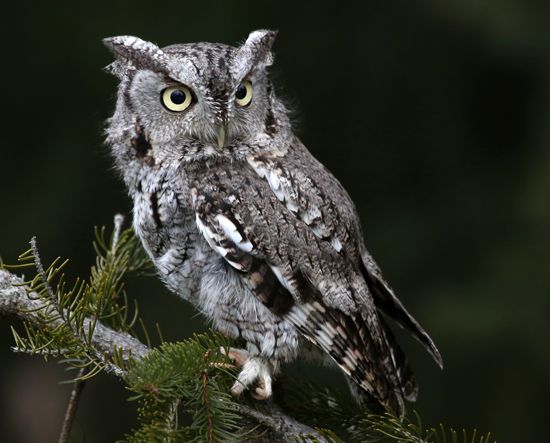
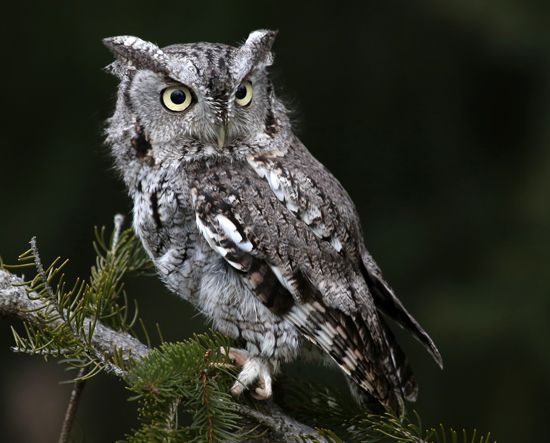
- Mating and Pair Bonding: Hooting is a key component of courtship. Males often hoot to attract females, and in some species, such as the screech owl, pairs engage in duets to strengthen their pair bond.12
- Communication: Beyond mating and territory, owls use various sounds to convey information about food locations or the presence of predators. Parents and offspring also use specific calls to locate one another or solicit food.12
Because owls are often difficult to see due to their camouflage and nocturnal habits, these bird sounds are crucial for social interaction](https://www.britannica.com/animal/bird-animal) sounds are crucial for social interaction.2
Do all owl species hoot?
It is inaccurate to assume that all owl species hoot. While hooting is a well-known behavior, owl vocalizations are actually quite diverse and vary significantly across different species.1
Rather than a universal “hoot,” owls produce a wide range of sounds, including chirps, whistles, warblings, and barks, each with unique pitches, timbres, and rhythms. For example, while some large species are known for their deep hoots, many smaller owls rely on different types of calls to communicate, defend their territory, and attract mates. In some instances, these vocalizations serve as “songs” in a biological sense, even if they do not resemble the traditional hoot associated with owls in popular culture. Additionally, some species utilize non-vocal sounds, such as snapping their bills or clapping their wings, as part of their behavioral repertoire.12
How do owls use body language to communicate?
Owls utilize a variety of body postures and movements to communicate, often complementing their vocalizations to convey information to other owls.2
Common Postures and Displays
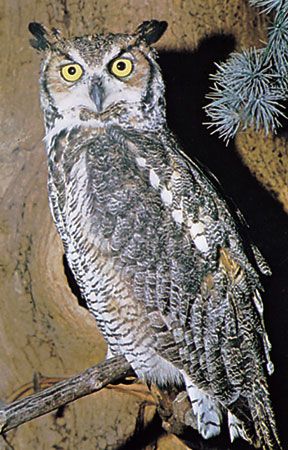
- Courtship and Social Bonding: During courtship, species such as wood owls engage in bowing, bobbing, and dancing. Similarly, the male great horned owl performs a deep bow accompanied by raising its tail over its back while singing.2
- Defense Displays: When threatened or defending a nest, many large owls attempt to appear larger and more intimidating. They achieve this by spreading their wings halfway and rotating them forward, raising their body feathers, and rocking from side to side while snapping their bills.2
- Concealment: To avoid detection at a daytime roost, particularly when harassed by smaller birds, an owl will compress its plumage, elevate its ear tufts, and half-close its eyes. This posture, combined with its cryptic coloration, helps the owl mimic the appearance of a broken branch.2
These visual signals are essential for communication, as the nocturnal nature of owls and their reliance on camouflage can make it difficult for them to see one another.2
What other sounds do owls make besides hooting?
Beyond the well-known hoot, owls produce a diverse array of sounds that vary in pitch, timbre, and rhythm depending on the species and the intended purpose of the communication.12
Vocalizations
While large species are often associated with deep hoots, many smaller owls utilize a variety of other vocalizations, including:
- Chirps, whistles, and warblings: These are common among smaller owl species and serve as their version of a “song” for territorial defense or attracting mates.2
- Barking: Some species, such as the screech owl, use barking calls, often in conjunction with other behaviors like bill-snapping, to signal that young are being ejected from a territory.2
- Warning calls: Nestlings of the burrowing owl can emit a call that mimics the warning buzz of a rattlesnake to deter potential threats.2
- Begging and location calls: Young owls use specific calls to solicit food, while females use distinct notes to prompt fledglings to reveal their location.12
Non-Vocal Sounds
Owls also communicate using non-vocal sounds, such as snapping their bills or clapping their wings during flight. These sounds, alongside their vocalizations, are essential for maintaining social bonds and defending territory in environments where visual communication is limited by darkness.2
Sources
- Why do owls hoot? — Encyclopædia Britannica
- Owl - Behaviour — Encyclopædia Britannica
- hoot owl — Merriam-Webster
- Owl - General features — Encyclopædia Britannica
- Owl - Form and function — Encyclopædia Britannica
- Why do birds chirp at night? — Encyclopædia Britannica
Published on · 3 min read