Why Do They Say Cats Have Nine Lives?
The belief that cats possess nine lives stems from a combination of cultural symbolism and observations of feline behavior.
Why do they say cats have nine lives?
The belief that cats possess nine lives stems from a combination of cultural symbolism and observations of feline behavior.1
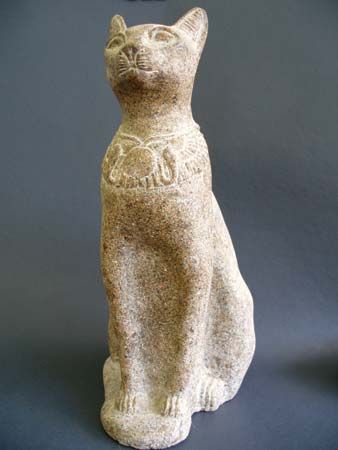
In many Anglo-Saxon cultures, the number nine is considered auspicious and appears frequently in folklore and legal traditions. However, this is not universal; for instance, in Iran, tradition holds that cats have seven lives. The myth is also rooted in the historical reverence for cats in ancient Egypt, where they were associated with the goddess Bastet and viewed as mystical beings.12
Practically, the saying reflects the cat’s remarkable survival instincts and physical agility. Their flexible spines and “righting reflex” allow them to land on their feet after falls, while their acute senses and predatory skills help them navigate dangerous situations that might prove fatal to other animals. These traits have long contributed to the perception that cats are uniquely resilient creatures.1
How does a cat’s righting reflex work?
A cat’s “righting reflex” is a highly specialized biological mechanism that allows the animal to orient itself and land on its feet when falling. This ability relies on a combination of sensory input, a flexible skeletal structure, and the use of the tail as a counterweight.34
The Role of the Inner Ear
The process begins in the inner ear, which houses the vestibular system. This system contains fluid-filled semicircular canals that act as a rotary accelerometer. When a cat falls, the fluid within these canals shifts. The cat instinctively rotates its head to equalize this fluid, effectively determining its orientation relative to the ground.35
Physical Execution
Once the head is positioned, the rest of the body follows in a coordinated sequence:
- Spinal Flexibility: Because a cat’s vertebral column is held together primarily by muscles rather than rigid ligaments, the spine is exceptionally flexible, allowing for rapid twisting motions.64
- Counterbalancing: The tail acts as a vital counterweight during the rotation, helping the cat maintain equilibrium as it maneuvers its body to align with the ground.34
- Automatic Alignment: As the head stabilizes, the body automatically shifts to follow, ensuring the cat lands on its feet.3
Why were cats considered divine in ancient Egypt?
In ancient Egypt, cats evolved from practical predators that protected grain stores from rodents into revered symbols of divinity. Their elevated status was deeply rooted in Egyptian religious life, where they were viewed as divine protectors in both this life and the afterlife, as well as talismans of good fortune.7
The divinity of the cat was most prominently expressed through the goddess Bastet. Originally worshiped as a fierce lioness, her character became milder and more associated with the domestic cat following the species’ domestication around 1500 BCE. In Egyptian theology, animals were often seen as manifestations of a deity’s nature; goddesses were frequently depicted as lionesses in their aggressive aspects but as cats when mild.89
This reverence led to the development of cat cults and temple worship. Egyptians believed that a cat’s body might even be inhabited by a god. This cultural importance is evidenced by the thousands of mummified cats discovered in cemeteries, the use of cat amulets, and the prominence of feline imagery in Egyptian art and daily life.78
What other animals have special roles in world folklore?
Animals have held profound significance in world folklore and mythology, often serving as tricksters, culture heroes, or divine symbols that help humans navigate the boundaries between the natural and supernatural worlds.109
The Trickster Archetype
Across many cultures, animals are frequently cast as tricksters—protagonists who possess magical powers and embody contradictory traits, such as being both a creator and a fool.10
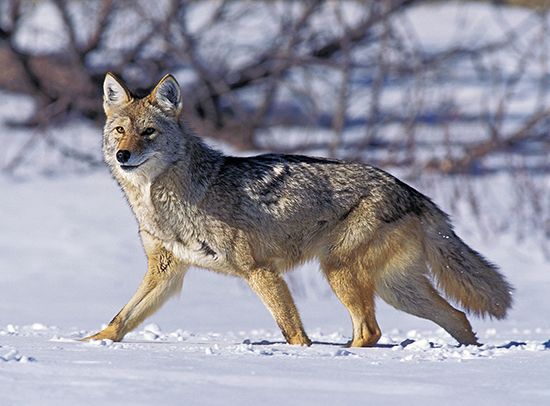
- Coyote: A central figure in many North American Indian traditions, often portrayed as a clever but frequently bested prankster.10
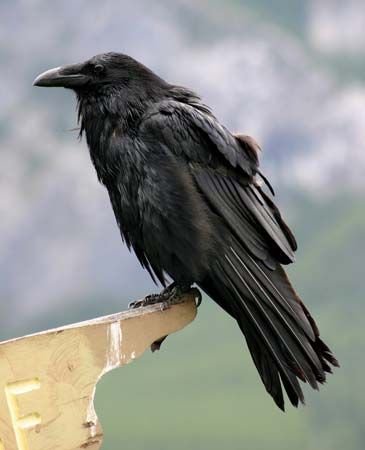
- Raven: A prominent trickster-hero for Northwest Coast Indians, known for his creative and transformative exploits.10
- Anansi: The spider of West African folklore, often depicted as a rival to the sky god.10
- Kitsune: Japan’s trickster fox, recognized for its metamorphic abilities and complex role in Shinto and Buddhist lore.10
Divine and Symbolic Roles
Beyond trickster tales, animals are often woven into the pantheon of gods or serve as sacred symbols.11
- Ancient Egypt: Deities were frequently associated with specific animals, such as the ibis and baboon for Thoth or the crocodile for Sebek. Animals could express aspects of a deity’s nature, with some goddesses appearing as lionesses in their fierce aspects and cats when mild.12
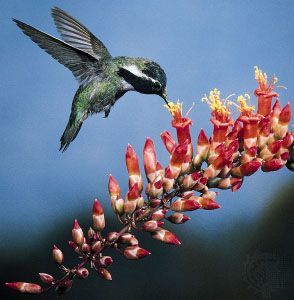
- Theriomorphism: Many cultures, including Hindu and Aztec traditions, feature gods who appear in animal forms or as hybrids, such as the monkey-god Hanuman or the hummingbird deity Huitzlipochtli.11
- Culture Heroes: Animals often act as culture heroes who secure essential attributes for humanity, such as the animal that steals fire from the gods.13
Sources
- Why do they say cats have nine lives? — Encyclopædia Britannica
- number symbolism - 9 — Encyclopædia Britannica
- 16 Questions About Pets Answered - How does a cat’s tail help keep the animal balanced? — Encyclopædia Britannica
- cat - Coordination and musculature — Encyclopædia Britannica
- Movement perception - Vestibular system — Encyclopædia Britannica
- cat - Tail — Encyclopædia Britannica
- Bastet — Encyclopædia Britannica
- cat - Domestication — Encyclopædia Britannica
- ancient Egyptian religion - The Gods — Encyclopædia Britannica
- Trickster tale — Encyclopædia Britannica
- polytheism - Animal and human forms — Encyclopædia Britannica
- folk literature - Folktale — Encyclopædia Britannica
- Mythologies of the Indigenous peoples of the Americas - General characteristics — Encyclopædia Britannica
- myth - Culture heroes — Encyclopædia Britannica
- prehistoric religion - Hunting rites and animal cults — Encyclopædia Britannica
- myth - Animals and plants in myth — Encyclopædia Britannica
Published on · 4 min read