Wild Ginger
Sorry, the Britannica knowledge base does not contain information regarding the specific historical uses of wild ginger by indigenous peoples.
How has wild ginger been used historically by indigenous peoples?
Sorry, the Britannica knowledge base does not contain information regarding the specific historical uses of wild ginger by indigenous peoples.
The available information notes that wild ginger, which belongs to the genus Asarum, has rhizomes that are sometimes used as a substitute for common ginger. While European wild ginger was historically utilized in various medicines and as snuff, the provided records do not detail the traditional practices of indigenous groups regarding these plants.
What are the different species of wild ginger found around the world?
The term “wild ginger” specifically refers to plants within the genus Asarum, which contains approximately 75 species of perennial herbs in the birthwort family (Aristolochiaceae). These plants are distributed throughout North Temperate regions of the world.1
Notable species include:
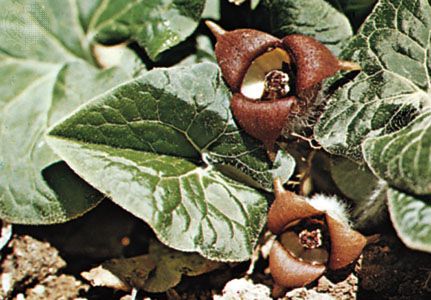
- Canadian wild ginger (A. canadense): A plant native to the shady woods of eastern North America, characterized by heart-shaped, downy leaves and inconspicuous, cup-shaped flowers.1
- European wild ginger (A. europaeum): Also known as asarabacca, this creeping species is native to Europe and Asia and features glossy leaves and bell-shaped brown flowers.1
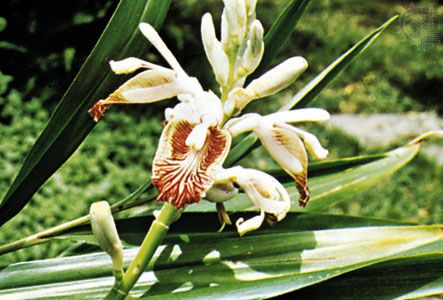
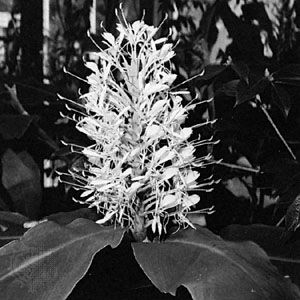
It is important to distinguish these from other plants that share the name “ginger” but belong to different families. For example, the ginger lily belongs to the genus Hedychium in the Zingiberaceae family, while the common culinary ginger (Zingiber officinale) is also a member of the Zingiberaceae family and is native to southeastern Asia.43
What are some common misconceptions about wild ginger?
A common misconception about wild ginger is that it is closely related to the common culinary ginger found in grocery stores. While both plants possess aromatic rhizomes, they belong to entirely different botanical families.
- Wild Ginger: Refers to approximately 75 species in the genus Asarum, which is part of the birthwort family (Aristolochiaceae). These are perennial herbs typically found in North Temperate regions.
- Common Ginger: Refers to Zingiber officinale, which belongs to the Zingiberaceae family. This family is primarily tropical and includes other spices like turmeric and cardamom.
Another point of confusion is the assumption that all plants with “ginger” in their name share the same culinary or medicinal properties. Although the dried rhizomes of some Asarum species have been used as a substitute for ginger, they are distinct plants with different chemical compositions and historical uses, such as the former application of European wild ginger in snuff or as a purgative.123
What are the key differences between wild ginger and cultivated ginger?
While the terms are often confused, “wild ginger” and cultivated ginger are distinct plants with significant botanical and functional differences.
Botanical Classification
- Wild Ginger: Refers to approximately 75 species within the genus Asarum, which belongs to the birthwort family (Aristolochiaceae). These are perennial herbs native to North Temperate regions of the world.1
- Cultivated Ginger: Refers to Zingiber officinale, a herbaceous perennial in the Zingiberaceae family. It is likely native to southeastern Asia and is part of the order Zingiberales.3
Physical and Culinary Characteristics
- Appearance: Wild ginger plants, such as Canadian wild ginger, typically grow low to the ground with heart-shaped leaves and inconspicuous flowers. In contrast, cultivated ginger grows leafy stems up to 1 meter (3 feet) high and produces dense, conelike flower spikes.13
- Usage: Cultivated ginger is a widely used spice and flavoring agent with a pungent, biting taste derived from compounds like zingerone. While the dried rhizomes of some wild ginger species are sometimes used as a substitute for culinary ginger due to their pleasant odor, they are not the same plant and possess different chemical profiles.31
Sources
- wild ginger — Encyclopædia Britannica
- wild ginger — Merriam-Webster
- ginger — Encyclopædia Britannica
- ginger lily — Encyclopædia Britannica
- Zingiberaceae — Encyclopædia Britannica
- galangal — Encyclopædia Britannica
Published on · 3 min read