Turmeric
Turmeric (Curcuma longa), a perennial herbaceous plant in the ginger family, has been utilized since antiquity for its medicinal properties. Traditionally…
How has turmeric been used in traditional medicine systems?
Turmeric (Curcuma longa), a perennial herbaceous plant in the ginger family, has been utilized since antiquity for its medicinal properties. Traditionally, it has been valued as an aromatic stimulant.12
In various traditional practices, turmeric is often consumed as a tea or in pill form, where it is reputed to possess anti-inflammatory properties. It is frequently used as a remedy for a range of ailments, most notably arthritis and various intestinal problems. Beyond internal use, turmeric water has long been applied topically in parts of Asia as a cosmetic to enhance the complexion, reflecting its historical role in skin care.1
While turmeric is a staple in many cultures, it is important to note that public health challenges have emerged regarding its safety. In some regions, turmeric has been adulterated with lead chromate to enhance its color, which poses severe risks of lead poisoning. Consumers should be aware that such contamination remains a significant public health concern in certain global markets.1

What are the main culinary uses of turmeric?
Turmeric is a versatile spice valued for its earthy, warm flavor and its ability to impart a vibrant orange-yellow color to food. It is an essential ingredient in many South Asian cuisines and is consumed daily by millions.13
Its primary culinary uses include:
- Flavoring and Coloring: It is a key component in curry powder and is used to color and flavor prepared [mustard]1.
- Diverse Dishes: Turmeric is commonly used in relishes, pickles, and spiced butters for vegetables. It is also frequently added to fish, egg, poultry, rice, and pork dishes.1
- Legumes and Meat: It is used to flavor dishes made with lentils, as well as various meat and seafood preparations.3
- Other Uses: It is sometimes used to flavor betel quids for chewing1.
While turmeric is a staple, consumers should be aware that some ground turmeric has been found to be adulterated with lead chromate to enhance its color, which poses a serious public health risk.1
What is turmeric and where does it originate from?
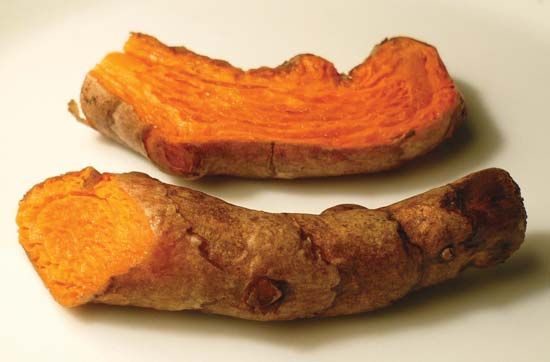
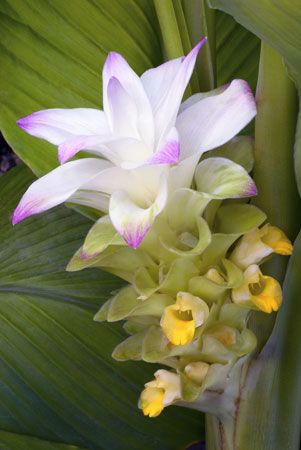
Turmeric (Curcuma longa) is a perennial herbaceous plant belonging to the ginger family (Zingiberaceae). It is characterized by its tuberous rhizomes—underground stems—which possess a pepperlike aroma, a bitter warm taste, and a potent orange-yellow color.1
The plant is native to southern India and Indonesia. Today, it is widely cultivated across the mainland and islands of the Indian Ocean.1
Historically, turmeric has been utilized for a variety of purposes, including as a spice, a textile dye, a perfume, and a food preservative. It has also been used in traditional medicine as an aromatic stimulant. While it remains a staple in many global cuisines, it is important to be aware that some ground turmeric has been found to be adulterated with lead chromate to enhance its color, which presents a serious public health risk.14
How is turmeric cultivated and harvested?
The cultivation of turmeric (Curcuma longa) involves growing the plant until its rhizomes—the underground stems—are ready for harvest. The plants typically reach about 1 meter (3.3 feet) in height, with leaves emerging directly from these branching rhizomes located just below the soil surface.1
Once harvested, the production process requires specific steps to prepare the spice for market:
- Boiling: The harvested rhizomes undergo a boiling process to prepare them for drying.1
- Drying: The boiled rhizomes are exposed to sunlight for five to seven days to ensure they are thoroughly dried.1
- Polishing: After drying, the rhizomes are polished to remove their outer layer, which is achieved either by hand rubbing or by rotating them in a mounted drum.1
The final dried rhizomes generally measure between 2.5 and 7.5 cm (1 to 3 inches) in length and are typically sold in ground form. It is critical to note that some wholesalers have historically adulterated these rhizomes with lead chromate to enhance their color, a practice that poses severe public health risks.1
Sources
- turmeric — Encyclopædia Britannica
- turmeric — Merriam-Webster
- list of Indian spices — Encyclopædia Britannica
- 11 Questions About Useful Plants Answered - What have spices been used for across human history? — Encyclopædia Britannica
Published on · 3 min read