Wood Warbler
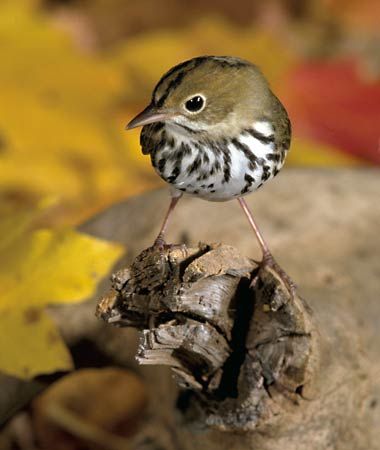
A wood warbler is any of the approximately 120 species of small songbirds belonging to the family Parulidae. These birds are native to the New World…
What is Wood warbler?
A wood warbler is any of the approximately 120 species of small songbirds belonging to the family Parulidae. These birds are native to the New World, primarily inhabiting North and Central America, and are distinct from the unrelated Old World warblers of the family Sylviidae.12
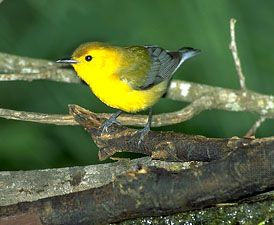
Often called the “butterflies of the bird world” due to their bright colors and active nature, wood warblers are highly migratory, traveling between northern nesting grounds and tropical wintering areas. Despite their name, they do not “warble”; instead, they typically produce thin, dry, or buzzing songs. They are small birds, generally reaching up to 18 cm (7 inches) in length, and they build tidy cup-shaped nests in trees or bushes, though some species construct domed nests on the ground.21
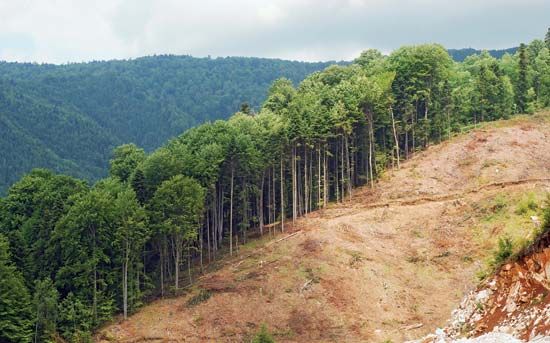
Unfortunately, many populations are currently in decline due to deforestation in their tropical habitats.2
Why are wood warblers often called the butterflies of the bird world?
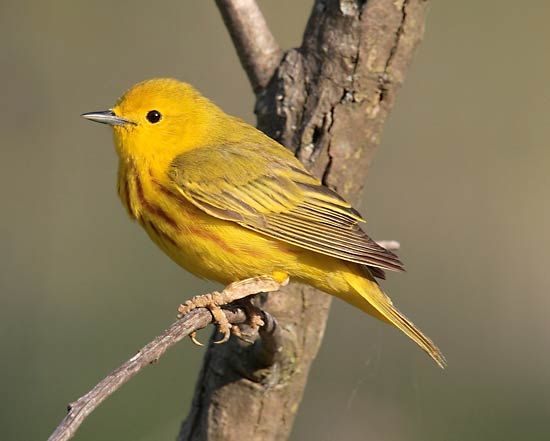
Wood warblers are often referred to as the “butterflies of the bird world” primarily because they are both highly active and brightly colored.3
These small songbirds in the family Parulidae are known for their vibrant, contrasting plumage—often featuring combinations of yellow, red, blue, black, and white—which, when combined with their restless, energetic behavior, evokes the visual impression of butterflies in flight.3
What are the main differences between New World and Old World warblers?
While New World and Old World warblers share a name and similar insect-eating habits, they are distinct groups with significant biological differences.
Key Differences
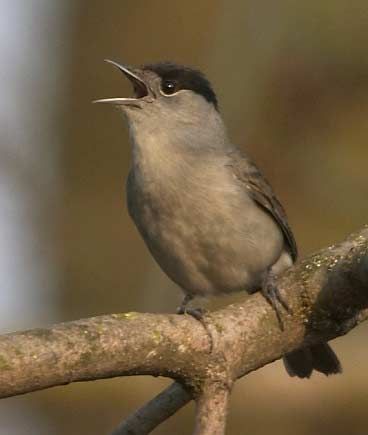
- Taxonomy and Relationships: Old World warblers belong to the family Sylviidae and are closely related to thrushes and Old World flycatchers. In contrast, New World warblers (wood warblers) belong to the family Parulidae and are more closely related to tanagers.15
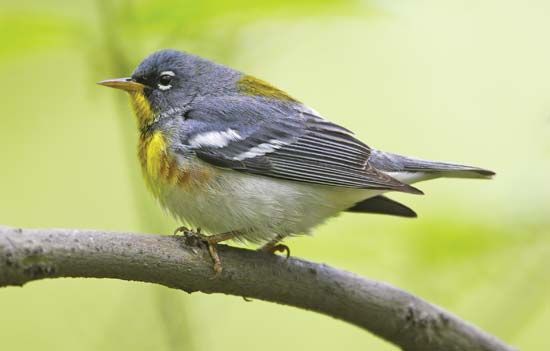
- Physical Appearance: Old World warblers are generally drab, featuring shades of olive, green, brown, and buff. Wood warblers are typically more brightly colored, often displaying vibrant patterns.15
- Anatomy: A technical distinction lies in their wing structure: Old World warblers possess 10 primary feathers in each wing, whereas wood warblers have only nine.5
- Distribution: Old World warblers are primarily found across Europe, Asia, Africa, and Australia. Wood warblers are native to the Americas, primarily inhabiting North and Central America.1
How does deforestation in South America affect migratory wood warblers?
Deforestation in South America poses a significant threat to migratory wood warblers (Parulidae) by destroying the critical habitats they rely on during the winter months. While many of these birds nest in North America, species such as the blackpoll warbler travel as far south as Brazil, Peru, and Guiana to spend the winter.89
The loss of forest habitat is a primary driver of population decline for many bird species. Because these migratory birds depend on specific tropical environments to survive the winter, the removal of forest cover reduces the available resources necessary for their survival. Furthermore, while some protected areas like Manu National Park in Peru provide essential refuge for diverse bird populations, the overall integrity of many sanctuaries remains vulnerable to the pressures of economic development and habitat removal. As forest habitats are cleared, species that rely on these areas face increased risks, as habitat loss is a leading factor in the depletion of wildlife populations and the threat of extinction.910
Sources
- Warbler — Encyclopædia Britannica
- wood warbler — Merriam-Webster
- Wood warbler — Encyclopædia Britannica
- Passeriform - Annotated classification — Encyclopædia Britannica
- Sylviidae — Encyclopædia Britannica
- Parulidae — Merriam-Webster
- parulid — Merriam-Webster
- Migration - In North America — Encyclopædia Britannica
- South America - Human influences on wildlife — Encyclopædia Britannica
- Bolivia - Animal life — Encyclopædia Britannica
- conservation - Range size — Encyclopædia Britannica
Published on · 3 min read