Wren
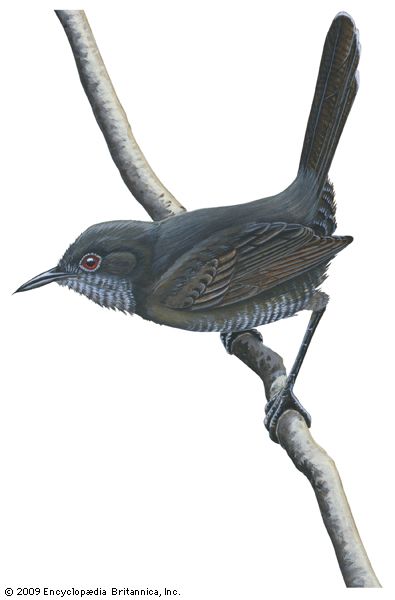
Wrens, belonging to the family Troglodytidae, primarily originated in the Western Hemisphere. While most species are found in the Americas—ranging from…
Where are wrens typically found, and what types of habitats do they prefer?
Wrens, belonging to the family Troglodytidae, primarily originated in the Western Hemisphere. While most species are found in the Americas—ranging from Canada to South America—the winter wren (Troglodytes troglodytes) has spread to the Old World, where it is known simply as the wren.1
These birds are highly adaptable and occupy a diverse array of habitats, including:
- Wetlands: Marsh wrens are typically found in both tropical and temperate wetlands.1
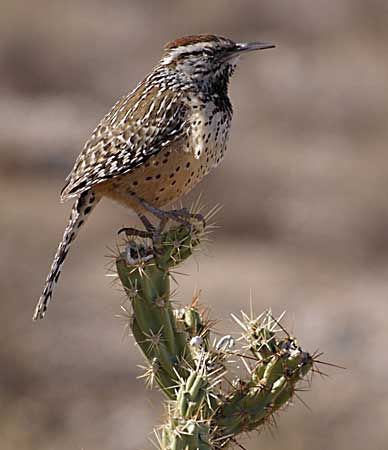
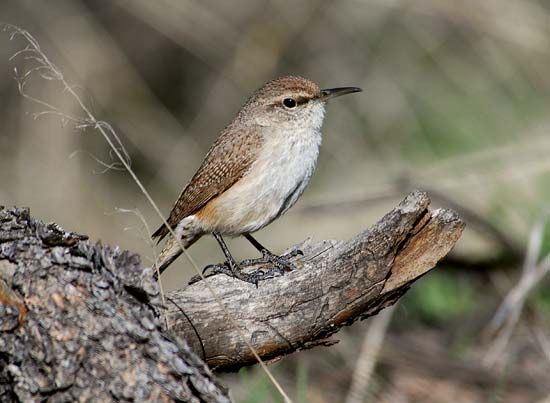
- Arid Environments: Species such as the cactus wren inhabit southwestern deserts, while the rock wren prefers rocky areas from the Great Plains westward.1
- Forests and Shrubbery: Wood wrens are found in tropical forests, and many other species frequent thickets, shrubbery, or rocky wastes.1
- Human Settlements: The house wren is known for nesting in proximity to houses and walls.12
How many species of wrens are there, and which are the most common?
There are approximately 85 species of birds in the family Troglodytidae, commonly known as wrens.1
The most widespread and common species is the house wren (Troglodytes aedon), which is found throughout the Americas, ranging from Canada to Tierra del Fuego. Another notable species is the winter wren (Troglodytes troglodytes), which is the only member of the family to have spread from the Western Hemisphere to the Old World.12
Other well-known species include:
- Cactus wren (Campylorhynchus brunneicapillus): The largest wren in the United States, common in Mexico and southwestern deserts.1
- Carolina wren (Thryothorus ludovicianus): Recognized as an exceptional singer in the eastern United States.1
- Canyon wren (Catherpes mexicanus): Known for its song in the arid regions of western North America.1
- Rock wren (Salpinctes obsoletus): The only U.S. species with a streaked breast, found from the Great Plains westward.1
What do wrens typically eat, and how do they forage for food?
Wrens (family Troglodytidae) are primarily insectivorous birds that hunt for their food in a variety of environments, including marshes, rocky wastes, and dense shrubbery.1
Regarding their foraging habits, wrens are active hunters that search for insects within their specific habitats. While the provided information does not detail every specific movement, it notes that they are well-adapted to hunting in diverse settings, such as probing through thickets or navigating rocky terrain to locate prey. As members of the order Passeriformes, wrens share the general characteristic of being small, active birds that have evolved to find insect food in ways suited to their environment, often picking through vegetation or ground cover.15
How did wrens get their name, and what is the origin of this term?
The name “wren” is an ancient term with deep roots in the English language. It originates from the Middle English word wrenne, which itself is derived from the Old English wrenna.4
Etymological evidence suggests that the name has remained remarkably consistent for over a thousand years. The term is closely related to the Old High German word rentilo, which also refers to the wren. This connection places the name among a group of avian identifiers—such as those for crows, finches, and sparrows—that have maintained their linguistic identity since the Old English period.47
While the common name has Germanic roots, the scientific name for the wren family, Troglodytidae, is derived from New Latin. It is based on the type genus Troglodytes, a term often associated with “cave-dwellers,” reflecting the secretive or hidden nature of these small birds.8
Sources
- Wren — Encyclopædia Britannica
- house wren — Merriam-Webster
- Emu-wren — Encyclopædia Britannica
- wren — Merriam-Webster
- Passeriform - Size range and structural diversity — Encyclopædia Britannica
- Bird - Feeding habits — Encyclopædia Britannica
- Troglodytidae — Merriam-Webster
- Did you know? — Merriam-Webster
Published on · 3 min read