Ylang-ylang
Ylang-ylang (Cananga odorata) is a tropical tree belonging to the custard apple family (Annonaceae). It is widely recognized for its intensely fragrant…
What is ylang-ylang and where does this plant originate?
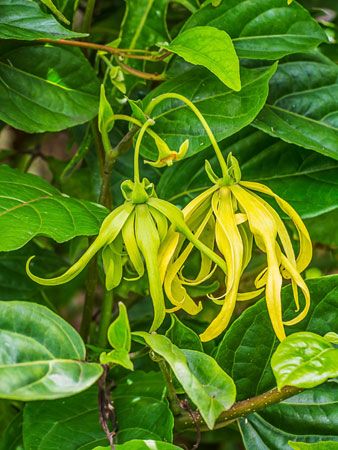
Ylang-ylang (Cananga odorata) is a tropical tree belonging to the custard apple family (Annonaceae). It is widely recognized for its intensely fragrant, greenish-yellow flowers, which are used to produce a distinctive, penetrating perfume through steam distillation. The name itself is derived from Tagalog, meaning “flower of flowers”.12
Regarding its origins, the ylang-ylang tree is native to the Malay Archipelago, the Philippines, and adjacent regions in South Asia. The tree is an evergreen that can reach heights of approximately 25 meters (80 feet) and features smooth bark, drooping flowers, and alternate, pointed oval leaves. In addition to its use in perfumery, the blooms are frequently used to create leis.12
It is important to distinguish this tree from the ylang-ylang vine (Artabotrys odoratissimus), which is a separate woody climber also belonging to the Annonaceae family and valued for its own fragrant flowers.1
How is ylang-ylang oil extracted from the plant, and what are its main uses?
Ylang-ylang oil is obtained from the flowers of the Cananga odorata tree through a process of steam distillation. This method involves passing steam through the freshly harvested, intensely fragrant blossoms to extract their volatile aromatic compounds, resulting in a potent, penetrating perfume.12
The primary use of this essential oil is in the fragrance industry, where it is valued for its rich, floral scent. Beyond its commercial application in high-end perfumery, the flowers themselves are traditionally used to create leis, reflecting their cultural significance in regions where the tree is native.12
How is ylang-ylang used in the perfume industry, and what makes its scent unique?
In the perfume industry, ylang-ylang (Cananga odorata) is highly prized for its intensely fragrant, greenish-yellow flowers. The oil is extracted through steam distillation, a process that captures the volatile aromatic compounds responsible for its signature scent.12
The uniqueness of the ylang-ylang scent lies in its complex, penetrating, and rich floral profile. Often described as both sweet and exotic, the fragrance is considered “evanescent,” meaning it has a fleeting yet powerful presence that adds depth and a distinct tropical character to various fragrance compositions. Its name, derived from Tagalog, translates to “flower of flowers,” reflecting the high regard in which its aromatic qualities are held by perfumers worldwide.12
What is the scientific name of the ylang-ylang plant, and to which plant family does it belong?
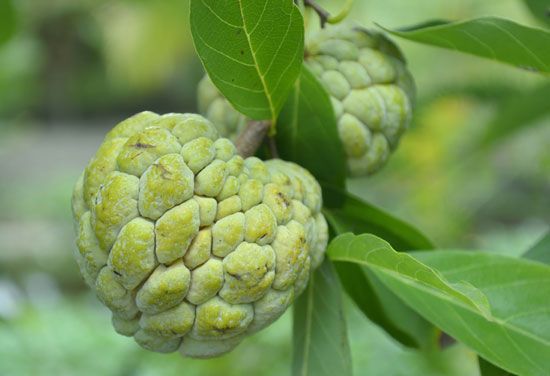
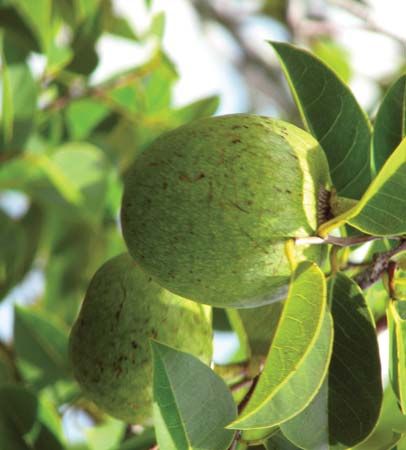
The scientific name of the ylang-ylang plant is Cananga odorata. It belongs to the custard apple family, known as Annonaceae.123
Sources
- ylang-ylang — Encyclopædia Britannica
- ylang-ylang — Merriam-Webster
- Annonaceae — Merriam-Webster
Published on · 2 min read