Aberdare Range
The Aberdare Range is a mountain range located in west-central Kenya, forming a section of the eastern rim of the Great Rift Valley. Situated northeast of…
What is Aberdare Range?
The Aberdare Range is a mountain range located in west-central Kenya, forming a section of the eastern rim of the Great Rift Valley. Situated northeast of Naivasha and Gilgil and just south of the Equator, the range maintains an average elevation of 11,000 feet (3,350 metres).1
Its highest peaks are Oldoinyo Lesatima (13,120 feet [3,999 metres]) and Ilkinangop (12,815 feet [3,906 metres]). The range is separated from Mount Kenya by the Nyeri-Nanyuki corridor. Geologically, the area was affected by early glaciation, and its summits reach into the unique Afro-Alpine vegetation zone, characterized by plants such as giant lobelia and tree groundsel.123
What is the Great Rift Valley and how did it form?
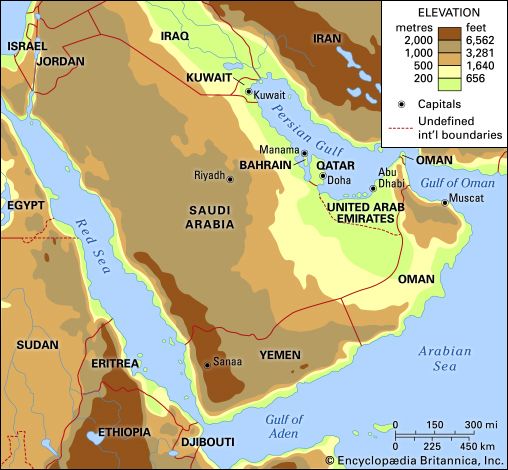
The Great Rift Valley is the primary branch of the East African Rift System, an extensive geological feature stretching approximately 4,000 miles (6,400 km) from Jordan in southwestern Asia to Mozambique in southeastern Africa.45
Formation
The valley formed as a result of tectonic activity at the boundaries of diverging lithospheric plates. This process is often compared to a keystone in an arch: as the plates move apart, a block of the Earth’s crust drops down between them.67
Key factors in its development include:
- Tectonic Divergence: The rift has been forming for roughly 30 million years as the African and Arabian plates separated.4
- Asthenospheric Upwelling: In regions like Ethiopia and Kenya, the rift formed over large domes where hot material from the asthenosphere rose, heating and stretching the overlying lithosphere.7
- Volcanism: This stretching and thinning of the crust allowed magma to rise, leading to extensive volcanic activity that produced major massifs such as Kilimanjaro and Mount Kenya.47
What are some unique animals found in the Aberdare National Park?
Aberdare National Park, located within the Kenya highlands, is home to a diverse array of wildlife that thrives in its unique montane forest and bamboo zones. Among the most notable animals found in this region are:
- Mountain Bongo (Tragelaphus eurycerus isaaci): This rare and striking antelope is a relict of interglacial epochs. It is known for its bright chestnut coat with vertical white stripes, which helps it blend into the forest environment. The mountain bongo is specifically adapted to the high-altitude forests of the Kenya highlands, often frequenting bamboo and mountain heath zones during the dry season.8
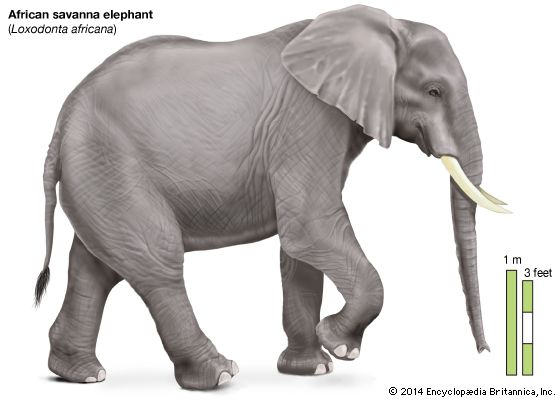
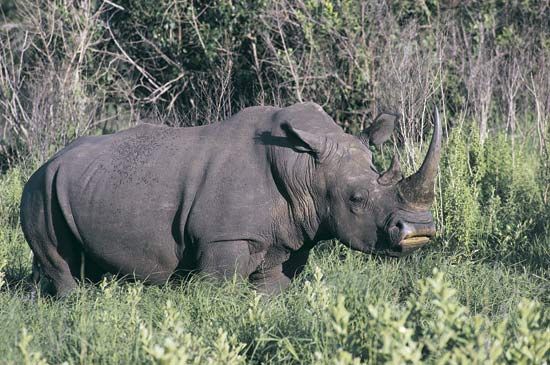
- Large Mammals: The highland rainforests of the region support significant populations of elephants and rhinoceroses, though both have faced population declines due to historical poaching and deforestation.9
- Primates and Smaller Mammals: The park is inhabited by colobus monkeys and galagos, also known as bush babies.9
- Predators: The highland ecosystem supports various predators, including lions, leopards, and wildcats, which hunt within the forest and moorland areas.98
- Other Herbivores: The bamboo zone and forest edges are also home to various species of duiker.9
How does the Afro-Alpine vegetation zone differ from other mountain habitats?
The Afro-Alpine vegetation zone is a unique high-altitude habitat found on tropical mountains in East Africa, distinct from temperate alpine regions due to its specific climatic pressures and evolutionary adaptations.310
Key Differences
- “Winter Every Night, Spring Every Day”: Unlike temperate mountains that experience distinct seasonal cycles with long, freezing winters, tropical Afro-Alpine zones experience a daily cycle of temperature fluctuation. Temperatures can drop to freezing nightly, but the vertical tropical sun warms the environment significantly during the day.11
- Giantism: A defining feature of the Afro-Alpine zone is the presence of giant stem rosette plants, such as giant lobelia and Dendrosenecio (tree groundsel). These plants have evolved to reach heights of three meters or more, using persistent dead leaf bases to insulate their water-containing tissues against the nightly frost.310
- Lack of Snow Accumulation: In temperate alpine regions, snow accumulation and winter duration are critical ecological factors that limit plant growth. In the tropics, snow does not accumulate as a thick, continuous cover, meaning plants do not face the same winter-long dormancy or abrasion from windblown snow crystals seen in temperate zones.11
- Evolutionary Preservation: The Afro-Alpine zone acts as a refuge for cold-loving plants that retreated to higher elevations following the Pleistocene epoch. While these plants are separated by vast distances across different mountains, they remain closely comparable, exhibiting convergent evolution in response to similar environmental pressures.310
Sources
- Aberdare Range — Encyclopædia Britannica
- East African mountains - Physiography — Encyclopædia Britannica
- East African mountains - Plant life — Encyclopædia Britannica
- East African Rift System — Encyclopædia Britannica
- Great Rift Valley — Encyclopædia Britannica
- Great Rift Valley — Merriam-Webster
- tectonic basins and rift valleys - Rift valleys — Encyclopædia Britannica
- Kenya - Plant and animal life — Encyclopædia Britannica
- bongo — Encyclopædia Britannica
- Tundra - Plant life — Encyclopædia Britannica
- Mountain ecosystem - Flora — Encyclopædia Britannica
- Mountain ecosystem - Environment — Encyclopædia Britannica
Published on · 3 min read