Apple Maggot
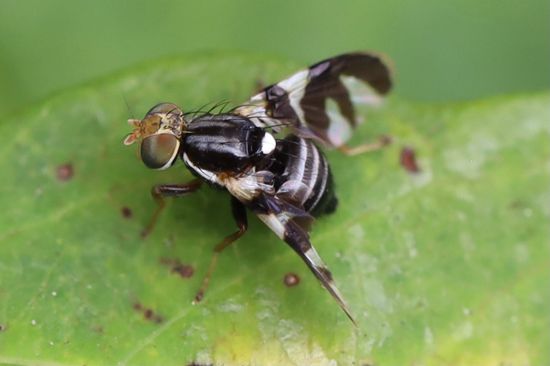
The apple maggot (Rhagoletis pomonella) is a species of fruit fly native to North America and a significant agricultural pest. Adult females lay eggs beneath…
What is Apple maggot?
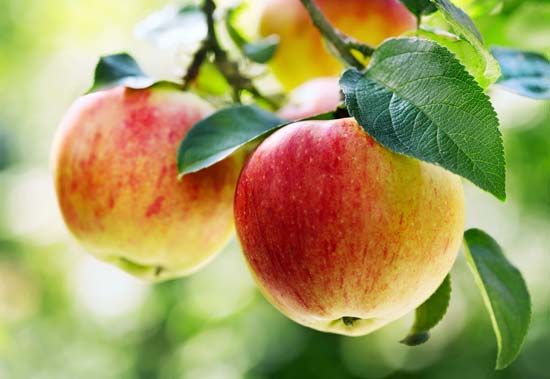
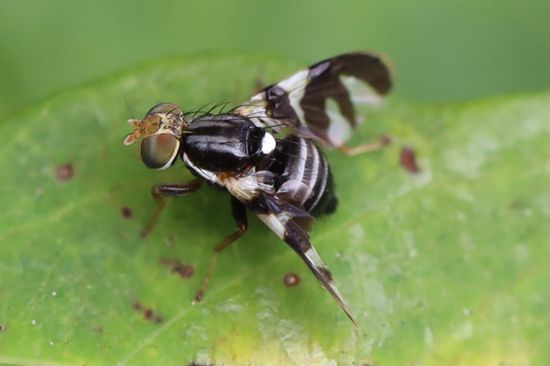
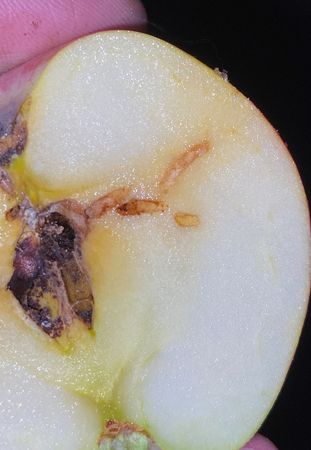
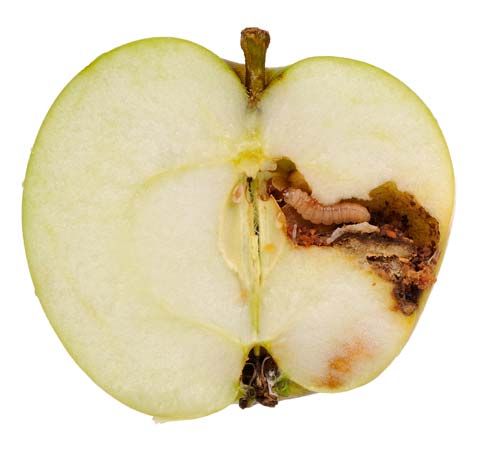
The apple maggot (Rhagoletis pomonella) is a species of fruit fly native to North America and a significant agricultural pest. Adult females lay eggs beneath the skin of apples, where the resulting larvae tunnel through the flesh, creating winding brown trails that cause the fruit to become spongy, discolored, and prone to decay.12
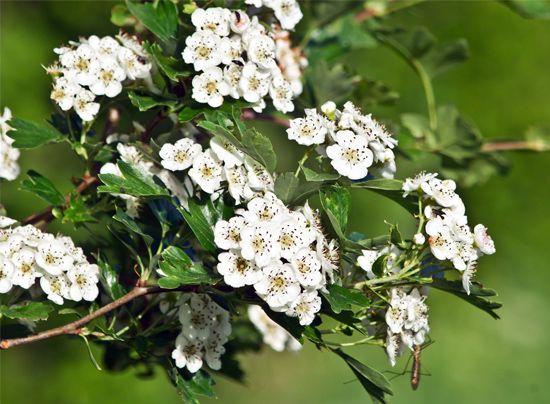
Physically, adults are about 6 mm long with black bodies and distinctive dark, F-shaped bands on their wings. While they primarily target apples, they also infest hawthorn fruits, quince, and occasionally other members of the rose family.2
Control methods include the use of sticky traps to monitor and reduce populations, orchard sanitation to destroy infested fruit, and the application of insecticides in commercial settings. Because populations have shifted between host plants, the insect serves as a vital model for studying temporal isolation and speciation.2
How do apple maggots evolve to prefer different host plants?
The evolution of host preference in the apple maggot (Rhagoletis pomonella) is a classic example of sympatric speciation, where a new species emerges within a population without geographic barriers.3
Originally, these flies fed exclusively on native hawthorn fruits. Following the introduction of domesticated apples to North America, a subset of the population began laying eggs in the new host fruit. This shift was reinforced by several key factors:
- Temporal Isolation: Apples generally ripen earlier in the season than hawthorns. Consequently, apple-associated flies emerged and reproduced earlier, creating a timing mismatch that reduced the likelihood of interbreeding with the hawthorn-associated group.4
- Behavioral Selection: The flies tend to mate on or near their specific host plants. By selecting a different host, the apple-infesting group effectively limited its contact with the original population.4
- Host Recognition: Insects often use specialized chemoreceptors on their feet and antennae to identify taxonomically appropriate plants for egg-laying. The flies that shifted to apples became accustomed to the new host, and their offspring continued this preference, cementing the behavioral change.53
What are some other common pests that damage fruit crops?
Beyond the apple maggot, several other pests pose significant threats to fruit crops by damaging fruit, foliage, or tree health. Managing these pests is often the most expensive and time-consuming aspect of fruit farming, frequently requiring a combination of biological, chemical, and cultural control methods.3
Common Fruit Crop Pests
- Plum Curculio (Conotrachelus nenuphar): This American weevil is highly destructive to stone fruits—such as plums, cherries, nectarines, and peaches—as well as apples. Adults feed on leaves, while females lay eggs in crescent-shaped incisions made directly into the fruit. The resulting larvae tunnel inward to feed on the pulp around the core or stone.6
- Codling Moth (Cydia pomonella): A small moth whose larvae are notorious for infesting apples, pears, quinces, and English walnuts.7
- Aphids (Family Aphididae): These sap-sucking insects can stunt plant growth, deform buds and flowers, and transmit various plant virus diseases. Specific examples include:8
- Apple Aphid (Aphis pomi): Produces honeydew that encourages the growth of sooty mold7.
- Rosy Apple Aphid (Dysaphis plantaginea): Causes fruit deformation, often resulting in “aphis apples,” and curls leaves to protect itself from sprays.8
- Woolly Apple Aphid (Eriosoma lanigerum): Lives on tree roots and can stunt or kill apple trees.8
- Green Peach Aphid (Myzus persicae): A serious pest that transmits numerous mosaic diseases.8
How does the process of speciation occur without geographic isolation?
Speciation without geographic isolation is known as sympatric speciation. While geographic isolation (allopatry) is the most common driver of new species, sympatric speciation occurs when reproductive isolation develops within a single, intermingling population.4
This process relies on the development of reproductive isolating mechanisms (RIMs) that prevent interbreeding despite the lack of physical barriers. Key drivers include:11
- Ecological and Behavioral Shifts: As seen in apple maggot flies, a sub-population may begin utilizing a different host plant or resource within the same area. This shift can lead to groups that mate exclusively on their preferred host, effectively separating them from the ancestral population.4
- Temporal Isolation: Differences in the timing of reproductive events—such as flowering seasons in plants or emergence cycles in cicadas—can prevent populations from mating, even if they occupy the same territory.12
- Sexual Selection: In some cases, such as with cichlid fishes, females may develop strong preferences for males with specific phenotypic traits, leading to genetic divergence within an ecologically uniform environment.4
Sources
- Apple maggot: Top Questions — Encyclopædia Britannica
- apple maggot — Merriam-Webster
- Apple maggot — Encyclopædia Britannica
- Speciation — Encyclopædia Britannica
- Chemoreception - Arthropods — Encyclopædia Britannica
- plum curculio — Merriam-Webster
- aphid — Encyclopædia Britannica
- Fruit farming - Pest control and preservation — Encyclopædia Britannica
- codling moth — Merriam-Webster
- Fruit farming - Soil management — Encyclopædia Britannica
- temporal isolation — Encyclopædia Britannica
- evolution - Reproductive isolation — Encyclopædia Britannica
Published on · 3 min read