Argali
The argali (Ovis ammon) is uniquely adapted to survive in some of the most extreme environments on Earth, including high-altitude regions characterized by…
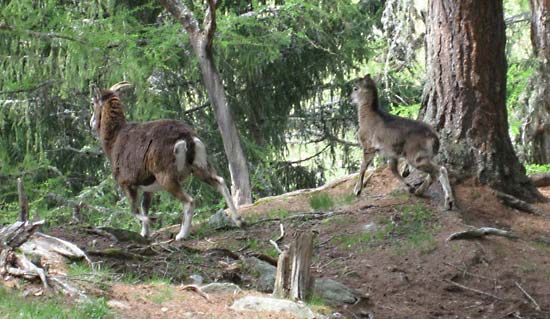
How do argali adapt to their harsh mountain environments?
The argali (Ovis ammon) is uniquely adapted to survive in some of the most extreme environments on Earth, including high-altitude regions characterized by intense cold, aridity, and unpredictable weather like sudden snowfalls.1
Their physical and behavioral adaptations include:
- Seasonal Pelage: They possess distinct summer and winter coats, with males developing a specialized nuptial coat before the rutting season that features neck ruffs and rump patches.1
- Locomotion and Defense: As long-legged runners, they rely on speed to escape predators. They also possess superlative vision to detect threats in open terrain.1
- Habitat Selection: While females and young utilize their agility to climb steep ridges and cliffs for security, large males often trade off that safety to graze on more productive lowland meadows.1
- Social Structure: They are highly gregarious animals, typically living in separate herds by sex, which helps manage resource competition and social dynamics within their harsh, high-elevation habitats.1
What are the key physical characteristics of the argali, including its size and distinctive features?
The argali (Ovis ammon) is the largest living wild sheep, exhibiting significant variation in size across its eight subspecies.
Physical Dimensions
- Large-bodied subspecies: Mature rams stand approximately 125 cm (49 inches) at the shoulder and weigh over 140 kg (300 pounds).
- Small-bodied desert populations: Rams stand about 90 cm (35 inches) at the shoulder and weigh less than 80 kg (180 pounds).
- Sexual Dimorphism: Females are notably smaller, weighing about one-third less than males.
Distinctive Features
- Horns: Present in both sexes, these are especially long in males. In the Pamir argali, also known as the Marco Polo sheep, horns can reach up to 1.8 metres (6 feet) in length. The larger Siberian argali possesses horns that are shorter but significantly more massive.
- Pelage: Argali exhibit seasonal coat changes. Before the rutting season in November and December, males develop a specialized nuptial coat, which typically features conspicuous neck ruffs and rump patches. The specific characteristics of this coat—such as neck hair length, tail length, and color—vary by subspecies.
What are the main threats to argali populations and their conservation status?
The argali is currently classified as a near-threatened species by the International Union for Conservation of Nature. Their populations face several significant challenges that jeopardize their long-term survival in the highlands of Central Asia.1
Primary Threats
- Uncontrolled Killing and Poaching: Illegal hunting remains a major pressure on argali populations across their range.1
- Habitat Loss: The species is increasingly losing critical habitat to livestock herding and other human activities, which compete for the limited resources available in their extreme mountain environments.1
Conservation Measures
National governments throughout the argali’s range implement varying levels of protection to manage these threats. In countries such as Mongolia, Tajikistan, and Uzbekistan, authorities regulate populations by issuing permits for limited trophy hunting. In specific regions like the eastern Pamirs, stricter prohibitions against hunting have helped maintain sufficient prey populations to support predators such as the snow leopard. such as the snow leopard.12
How do scientists track and study argali populations in the wild?
Sorry, the Britannica knowledge base does not contain this information.
Sources
- argali — Encyclopædia Britannica
- Pamirs - Animal life — Encyclopædia Britannica
Published on · 2 min read