Barak River
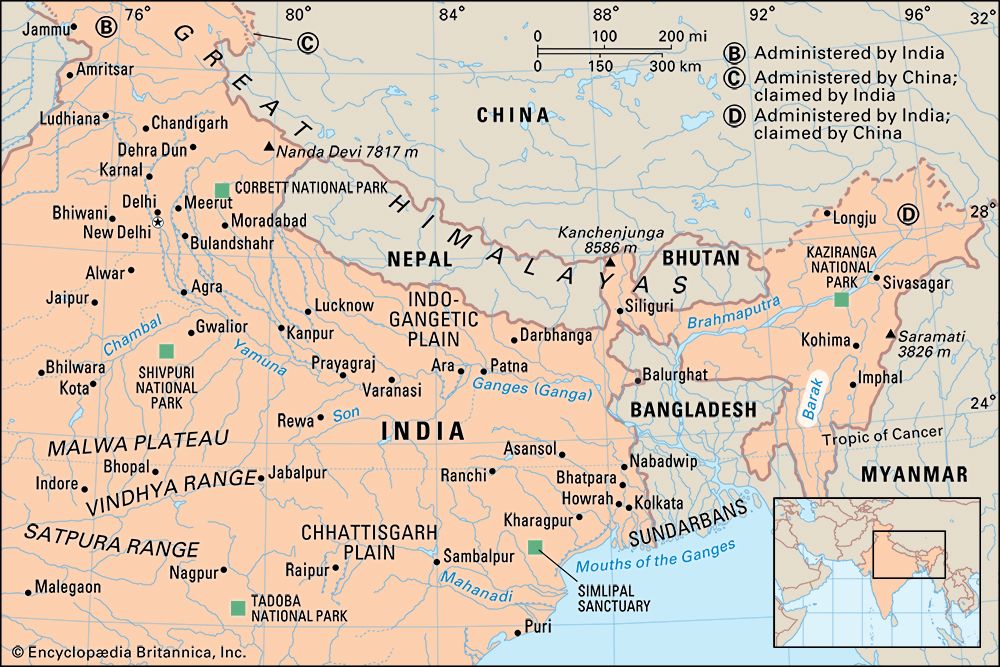
The Barak River is a major waterway in northeastern India that originates in the hills of Manipur. It flows through Mizoram and Assam before entering…
What is Barak River?
The Barak River is a major waterway in northeastern India that originates in the hills of Manipur. It flows through Mizoram and Assam before entering Bangladesh, where it splits into the Surma River and the Kusiyara River. These eventually form the Meghna River, which drains into the Bay of Bengal.12
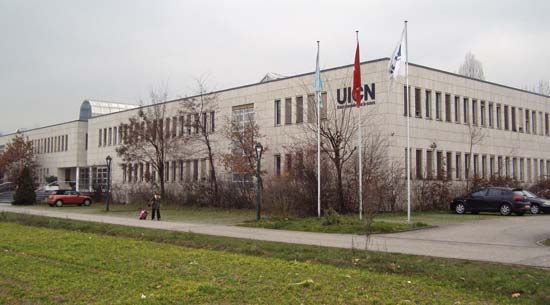
Spanning 350 miles (564 km) within India, the river is vital for transport; a 75-mile stretch in Assam is designated as National Waterway 16. The river basin covers over 16,000 square miles across several Indian states and supports a diverse ecosystem, including endangered species like the hoolock gibbon and Ganges river dolphin. However, the region faces significant environmental challenges, including biodiversity loss and pollution from chemical fertilizers. Efforts by groups like the International Union for Conservation of Nature are underway to promote sustainable development in the area.2
What is the importance of the Meghna River system?
The Meghna River system is a vital component of the Bangladesh landscape, serving as a primary watercourse that shapes the country’s physiography and the daily lives of its people. Formed by the union of the Surma and Kusiyara rivers—which originate as the Barak River in India—the Meghna acts as a major collector of water in the region.34
Its importance is defined by several key factors:
- Hydrological Hub: Near Chandpur, the Meghna receives the combined waters of the Padma and Jamuna rivers. This confluence creates a massive discharge that flows into the Bay of Bengal through four principal mouths.34
- Economic and Navigational Role: The river is a deep, high-velocity waterway that serves as a critical transport route, though it remains dangerous to navigate year-round due to shifting sandbanks and powerful tidal bores that can reach nearly 20 feet.3
- Land Formation: Like other major rivers in the region, the Meghna contributes to the constant erosion and deposition of silt. This process creates fertile char lands, which are highly valued for agriculture despite the risks of flooding and land instability.54
How do annual floods affect the people living in the Barak Valley?
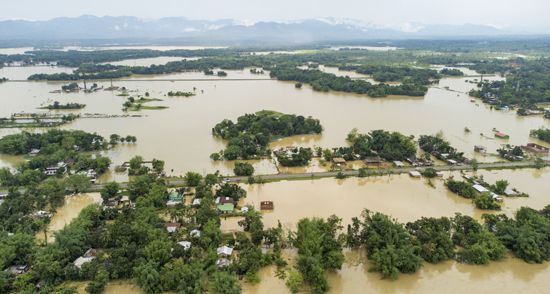
Annual floods are a significant and recurring challenge for the people living in the Barak Valley. Along with erosion, these floods represent a primary environmental obstacle that disrupts the lives of the valley’s diverse population, which includes various tribal, linguistic, and Bengali-speaking groups.25
The impact of these inundations is multifaceted:
- Economic Disruption: The valley’s topography, characterized by floodplains and wetlands, makes the region particularly susceptible to rising waters. While flooding is a natural part of the hydrological cycle, severe events frequently damage crops and infrastructure, threatening the livelihoods of those who depend on agriculture and fishing in the region.21
- Human and Property Toll: Similar to the broader patterns observed in the rivers of Bangladesh, annual floods in the Barak Valley can ruin hamlets and take a heavy toll on both human and animal populations.1
- Developmental Pressures: These environmental hazards are compounded by increasing population density and development, which have placed additional strain on the region’s resources and ecosystems.25
Which endangered animals are found in the Barak River basin?
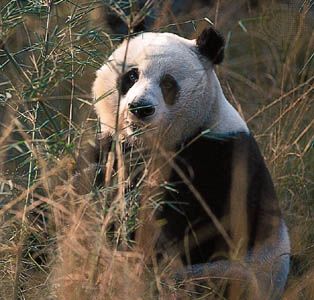
The Barak River basin is home to several endangered species that are currently listed on the IUCN Red List of Threatened Species. These animals face significant threats from habitat loss, population pressure, and environmental degradation within the region.72
The endangered species found in the Barak River basin include:
- Asiatic elephants72
- Western hoolock gibbons72
- Phayre’s leaf monkey72
- Ganges river dolphins: These dolphins, which also inhabit the Meghna River system, are particularly vulnerable to industrial river traffic, hunting, and the construction of dams that restrict their migration.172
- Chinese pangolins72
While the region was once known for its rich biodiversity, it has unfortunately seen the disappearance of other notable species, such as the Indian bison, gavial (gharial), and Bengal tigers. Conservation efforts by local and international organizations are ongoing to address these biodiversity losses and promote sustainable development in the valley.7
Sources
- Barak River: Top Questions — Encyclopædia Britannica
- Barak River — Encyclopædia Britannica
- Meghna River — Encyclopædia Britannica
- Brahmaputra River - Hydrology — Encyclopædia Britannica
- Bangladesh - Rivers of Bangladesh — Encyclopædia Britannica
- Assam - Relief and drainage — Encyclopædia Britannica
- river dolphin — Encyclopædia Britannica
Published on · 3 min read