Bear Grass
It is a common misconception that bear grass is a true grass; despite its name and grasslike appearance, Xerophyllum tenax is actually a member of the…
What are the defining characteristics of bear grass (Xerophyllum tenax)?
It is a common misconception that bear grass is a true grass; despite its name and grasslike appearance, Xerophyllum tenax is actually a member of the Melanthiaceae family.1
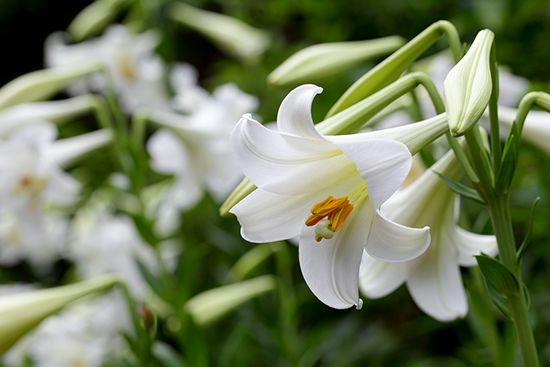
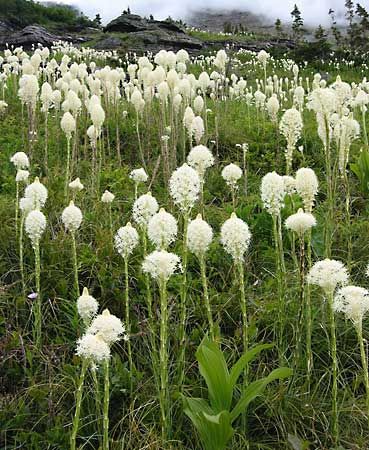
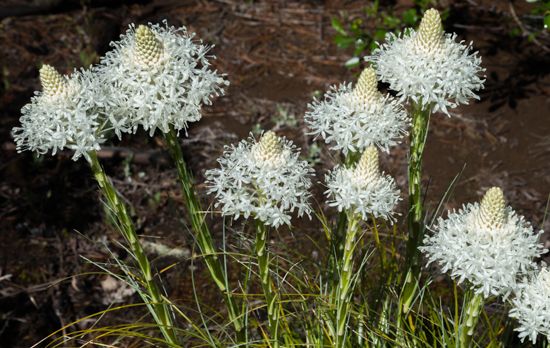
Commonly known as elk grass or fire lily, this mountain perennial is characterized by the following features:
- Structure: It grows from a tuberlike rootstock with cordlike roots, producing a stout, unbranched stem that reaches heights of 0.6 to 2 metres (2 to 6 feet).1
- Foliage: The plant features a dense basal tuft of narrow, rough-edged leaves that can grow up to 1 metre long, with smaller leaves appearing higher on the stem.1
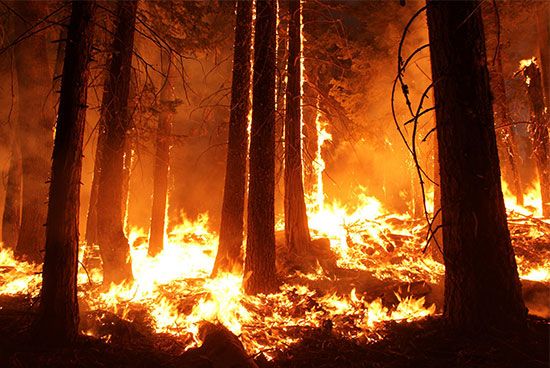
- Flowering: The plant typically flowers every five to seven years, often blooming profusely following a wildfire. It produces a large, dense cluster of small, creamy white flowers at the top of the stem.1
- Utility: Historically, Native Americans have utilized the plant for basketry and consumed its edible woody rootstock.1
What other species are included in the Xerophyllum genus besides bear grass?
The genus Xerophyllum consists of only two species of North American plants, both of which belong to the Melanthiaceae family.1
Beyond the common bear grass (Xerophyllum tenax), the genus includes:
- Turkey beard (X. asphodeloides): This species is native to the southern United States and is found growing in dry pine barrens. It shares a similar appearance to common bear grass, featuring grasslike leaves and a cluster of small white flowers.1
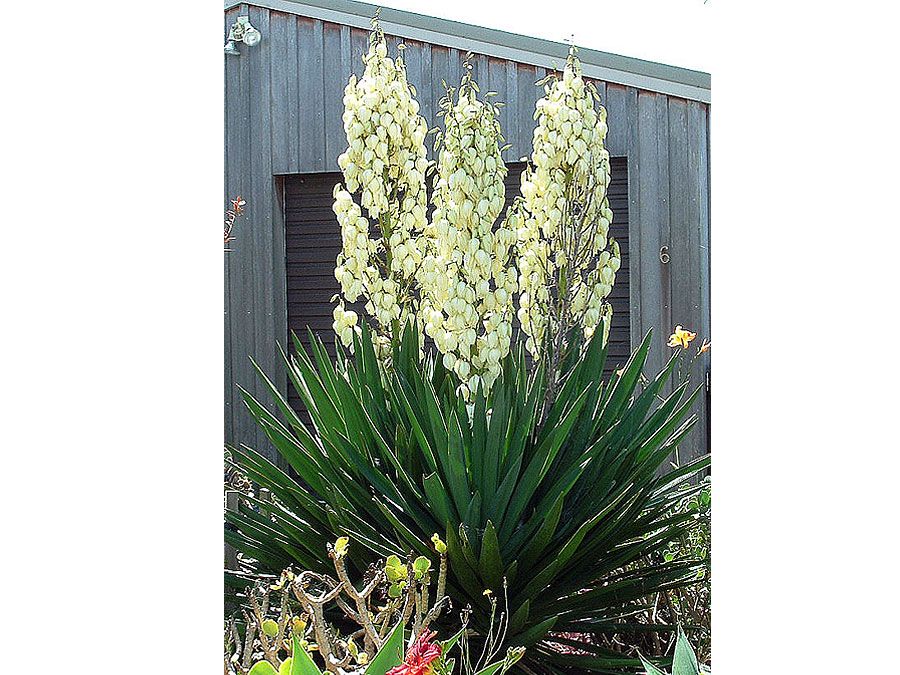
While the name “bear grass” is sometimes applied to other plants with grasslike foliage—such as various species of yucca, camas, and the Texas sotol—these are not members of the Xerophyllum genus.1
Are there any medicinal uses for bear grass in traditional or modern medicine?
The provided information does not indicate any medicinal uses for bear grass (Xerophyllum tenax or X. asphodeloides) in either traditional or modern medicine. The available records note that the plant is primarily utilized by Native Americans for basketry and that its woody rootstock is edible, but they do not mention therapeutic or medicinal applications.1
How do Native American tribes traditionally use bear grass?
Native American tribes have traditionally utilized bear grass (Xerophyllum species) primarily for its physical properties, which make it well-suited for functional and artistic purposes.
- Basketry: The most prominent traditional use of bear grass is in basketry. The plant’s long, durable, and grasslike leaves are highly valued by various Native American groups for weaving intricate and sturdy baskets.1
- Food Source: Beyond its utility in crafts, the woody rootstock of the plant is considered edible and has served as a traditional food source.1
It is important to note that while the term “bear grass” is used for Xerophyllum, it is also colloquially applied to other plants like yucca and camas in different regions, which may have their own distinct traditional uses.12
Sources
- bear grass — Encyclopædia Britannica
- bear grass — Merriam-Webster
- Xerophyllum — Merriam-Webster
Published on · 2 min read