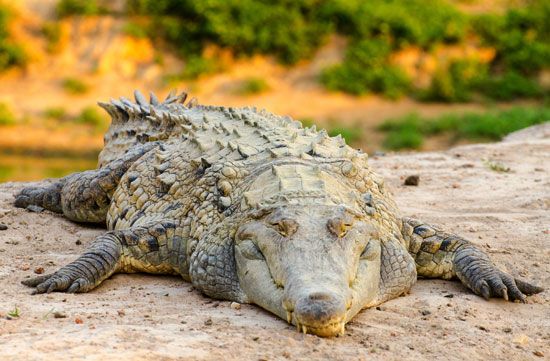
Cannibalism
Cannibalism is defined as the consumption of flesh from an individual of the same species. In zoology, it is a behavior observed in various animals—such as…
What is Cannibalism?
Cannibalism is defined as the consumption of flesh from an individual of the same species. In zoology, it is a behavior observed in various animals—such as lions, ants, and hamsters—often serving as a mechanism for population control or survival during food shortages.123
In human contexts, the term derives from the Carib people of the West Indies. While often regarded as a significant societal taboo today, historical practices were complex and varied:14
- Ritual and Religious: Some cultures practiced cannibalism to absorb the vitality or qualities of the deceased, or as part of religious sacrifices, such as those performed by the Aztecs.154
- Funereal: Certain groups, like the Fore of Papua New Guinea, practiced endocannibalism as a sign of respect or love for the deceased.14
- Survival: In extreme circumstances, such as the Donner party or the 1972 Andes Mountains plane crash, humans have resorted to cannibalism to avoid starvation.4
- Medicinal: Historically, various cultures, including Europeans, used human body parts in medicinal concoctions.4
Why do some animal species practice cannibalism?
In zoology, cannibalism serves as an evolutionary strategy to enhance survival and reproductive success. Animals practice this behavior for several key reasons:
- Population and Resource Management: Cannibalism acts as a mechanism to regulate population density. When food is scarce, some species, such as ants and guppies, consume their young or injured members to ensure the survival of the remaining colony or adults, allowing them to breed again when conditions improve.2
- Reproductive Advantage: In lions, new dominant males may kill and eat existing cubs to induce the females to become receptive to mating more quickly.2
- Nutritional Investment: Sexual cannibalism—where a female consumes her mate—provides the female with essential nutrients and energy. This investment often results in heavier egg cases and more numerous offspring.6
- Genetic Fitness: For males, being consumed can be an evolutionary trade-off. In species like redback spiders, the sacrifice may ensure the female produces hardier offspring or allow for prolonged mating, which increases the likelihood of successful fertilization and reduces competition from other males.6
What is the difference between endocannibalism and exocannibalism?
The distinction between endocannibalism and exocannibalism is based on the social relationship between the consumer and the individual being consumed:
- Endocannibalism: This refers to the consumption of members of one’s own family, tribe, or social group. It is often practiced as a funereal rite, where relatives consume the deceased as an act of respect, love, or to protect the body from decay or spirits.718
- Exocannibalism: This refers to the consumption of individuals from outside one’s own family or tribe. This practice is frequently associated with warfare or conflict, where consuming an enemy is intended to demonstrate domination, inspire fear, or allow the victor to absorb the strength, bravery, or vitality of the vanquished.518
While these terms categorize the social context of the act, it is important to note that cannibalism has been practiced for diverse reasons throughout history, including ritual sacrifice, medicinal use, and extreme survival situations.18
What are the health risks associated with consuming human flesh?
The primary health risk associated with consuming human flesh is the transmission of prion diseases. Prions are abnormal, misfolded proteins that accumulate in the brain, causing neurons to die and leaving the tissue filled with holes in a spongelike pattern, a condition known as transmissible spongiform encephalopathy.9105
The most notable example of this risk is kuru, a fatal neurodegenerative disorder that occurred among the Fore people of Papua New Guinea. The disease was transmitted through ritualistic cannibalism, specifically the consumption of the brains of deceased relatives. Symptoms of kuru include joint pain, headaches, tremors, loss of coordination, and dementia, with death typically occurring within two years of onset.1011
Prion diseases are particularly dangerous because they are resistant to enzymatic breakdown and standard sterilization methods. While kuru has virtually disappeared following the cessation of these cannibalistic practices, it remains a critical example of how the ingestion of contaminated neural tissue can lead to severe, incurable neurological damage.910
Sources
- Cannibalism — Encyclopædia Britannica
- Cannibalism — Encyclopædia Britannica
- cannibalism — Merriam-Webster
- prehistoric religion - Cannibalism — Encyclopædia Britannica
- Cannibalism: Cultures, Cures, Cuisine, and Calories — Encyclopædia Britannica
- Why Do Some Animals Eat Their Mates After Sex? — Encyclopædia Britannica
- exocannibalism — Merriam-Webster
- endocannibalism — Merriam-Webster
- prion — Encyclopædia Britannica
- kuru — Encyclopædia Britannica
- kuru — Merriam-Webster
- bovine spongiform encephalopathy — Encyclopædia Britannica
Published on · 3 min read