Dance Fly
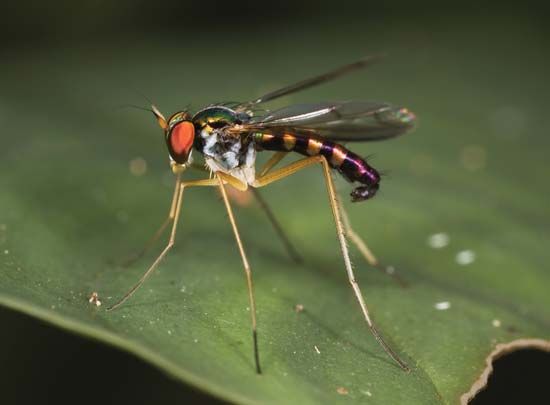
A dance fly is any member of the insect family Empididae, which belongs to the order Diptera. They are named for the erratic, swarming movements they perform…
What is dance fly?
A dance fly is any member of the insect family Empididae, which belongs to the order Diptera. They are named for the erratic, swarming movements they perform while in flight during the mating season.12
These insects are small, characterized by a disproportionately large thorax and a long, tapering abdomen. Adults typically inhabit moist environments and are predaceous, feeding on smaller insects. Their larvae are also predatory and are found in soil, water, or decaying plant material.1
A notable aspect of their biology is their complex courtship behavior. Males often present a dead insect to a female, and mating only occurs once the female accepts and feeds on the offering. In some species, males may even capture prey in elaborate silken balloons or webs produced by glands on their forelegs to court females.12
How do dance flies use silk to attract mates?
The provided information does not contain details regarding the use of silk by dance flies to attract mates. While the family Empididae is known for complex courtship rituals involving the presentation of prey, the specific mechanism of using silk for this purpose is not addressed in the available search results.
What role do dance flies play in their ecosystem?
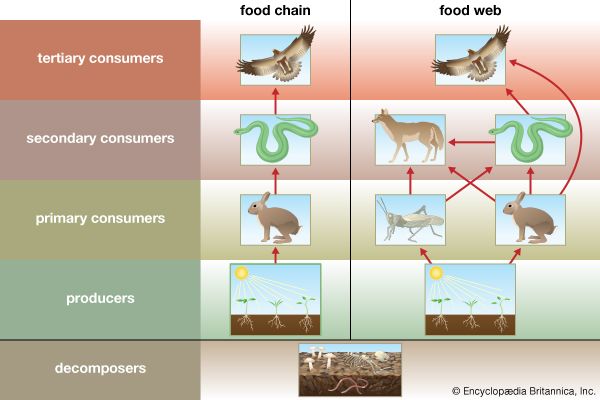
Dance flies (family Empididae) play a significant role in their ecosystems primarily as predators, helping to regulate populations of other small insects. Both the adults and the larvae of this family are predaceous, meaning they actively hunt and consume other insects.1
- Adult Role: Adult dance flies typically inhabit moist regions where they hunt smaller insects. By preying on these smaller organisms, they contribute to the control of insect populations within their habitats.1
- Larval Role: The larvae are found in diverse environments, including soil, water, and decaying plant material. Like the adults, they are predatory and feed on other insects, further influencing the insect community structure in these microhabitats.1
While many other flies serve as important pollinators by visiting flowers for nectar and pollen, the primary ecological function highlighted for dance flies is their predatory behavior.15
How do other insects use complex courtship rituals?
Insects utilize a diverse array of complex courtship rituals to ensure species recognition, mitigate aggression, and improve reproductive success. Because many insects face the risk of being mistaken for prey or encountering hostility during mating, these rituals serve as vital communication systems.101112
Mechanisms of Courtship
- Chemical Signaling: Many insects use pheromones to attract mates or induce receptivity. For instance, some male butterflies possess specialized structures called hair pencils that disperse pheromones onto the female’s antennae to encourage copulation.1312
- Auditory Displays: Insects often produce species-specific sounds by vibrating or rubbing their wings together. These signals help individuals locate mates and provide information about the caller’s species and sex.1214
- Tactile and Visual Displays: Physical contact and ritualized movements are common. In some species, males offer “nuptial gifts”—such as food—to females. This behavior can serve to appease the female, reducing the risk of cannibalism, and is often linked to sperm competition, where the gift increases the male’s chances of siring offspring.1115
- Behavioral Isolation: These elaborate rituals act as isolating mechanisms. If the sequence of signals is interrupted or performed incorrectly, the mating process fails, which helps prevent cross-mating between different species.1112
Sources
- dance fly — Encyclopædia Britannica
- Empididae — Merriam-Webster
- Empidae — Merriam-Webster
- Lepidoptera - Courtship and mating — Encyclopædia Britannica
- Diptera - Larvae — Encyclopædia Britannica
- pollination - Bees — Encyclopædia Britannica
- orchid - Fly pollination — Encyclopædia Britannica
- Diptera - Adults — Encyclopædia Britannica
- long-legged fly — Encyclopædia Britannica
- Animal social behavior - Social interactions involving sex — Encyclopædia Britannica
- Chemoreception - Aphrodisiac pheromones — Encyclopædia Britannica
- Reproductive behaviour - Courtship — Encyclopædia Britannica
- evolution - Ethological (behavioral) isolation — Encyclopædia Britannica
- Sperm competition — Encyclopædia Britannica
- Reproductive behaviour - Auditory clues — Encyclopædia Britannica
Published on · 2 min read