Cordillera De Guaniguanico
The Cordillera de Guaniguanico is a low mountain range located in the Pinar del Río province of western Cuba. It is important to distinguish this range from…
What is Cordillera de Guaniguanico?
The Cordillera de Guaniguanico is a low mountain range located in the Pinar del Río province of western Cuba. It is important to distinguish this range from the Cordillera de Guanacaste, which is a volcanic range in Costa Rica.12
Extending approximately 40 miles (64 km) northeast from Mantua, the Cordillera de Guaniguanico consists of two primary sections: the Sierra de los Órganos, characterized by steep limestone cones, and the Sierra del Rosario, which features a variety of knolls and reaches a peak elevation of 2,293 feet (699 m) at El Pan de Guajaibón. The region is notable for its extensive pine and oak forests and the presence of mineral springs along its fault lines.1
What is the difference between the Sierra de los Órganos and the Sierra del Rosario?
The Cordillera de Guaniguanico in western Cuba is divided into two distinct sections, each defined by unique geological characteristics:
- Sierra de los Órganos: This section is distinguished by its dramatic, steep limestone cones that tower over the landscape.1
- Sierra del Rosario: In contrast, this section is characterized by a multitude of knolls formed from a variety of different rock materials.1
While both ranges are part of the same cordillera and are covered by extensive pine and oak forests, the Sierra del Rosario reaches a higher elevation, peaking at 2,293 feet (699 m) at El Pan de Guajaibón.1
What are limestone cones and how are they formed?
Limestone cones, often referred to as pepino hills or mogotes, are conical residual hills found in deeply eroded karst regions.4
Formation
These features typically develop in areas with relatively flat-lying limestone that is jointed in large rectangular patterns. Their formation is driven by the following processes:
- Differential Erosion: In climates with alternating wet and dry seasons, high areas of limestone become increasingly resistant, while lower areas are subjected to greater erosion and solution.4
- Solution by Water: Rainwater becomes slightly acidic as it absorbs carbon dioxide, allowing it to dissolve the calcium carbonate in the rock. This water percolates through joints and fractures, widening them into deep, rugged gorges that isolate blocks of limestone.567
- Tropical Development: In tropical or equatorial regions, these processes are intensified. As the gorges widen and reach a base level, the intervening limestone blocks are sculpted into closely spaced conical hills (cone karst). If the surrounding plain widens further, these remnants may stand out as isolated, near-vertical towers known as tower karst.7
What kind of wildlife lives in the forests of Pinar del Río?
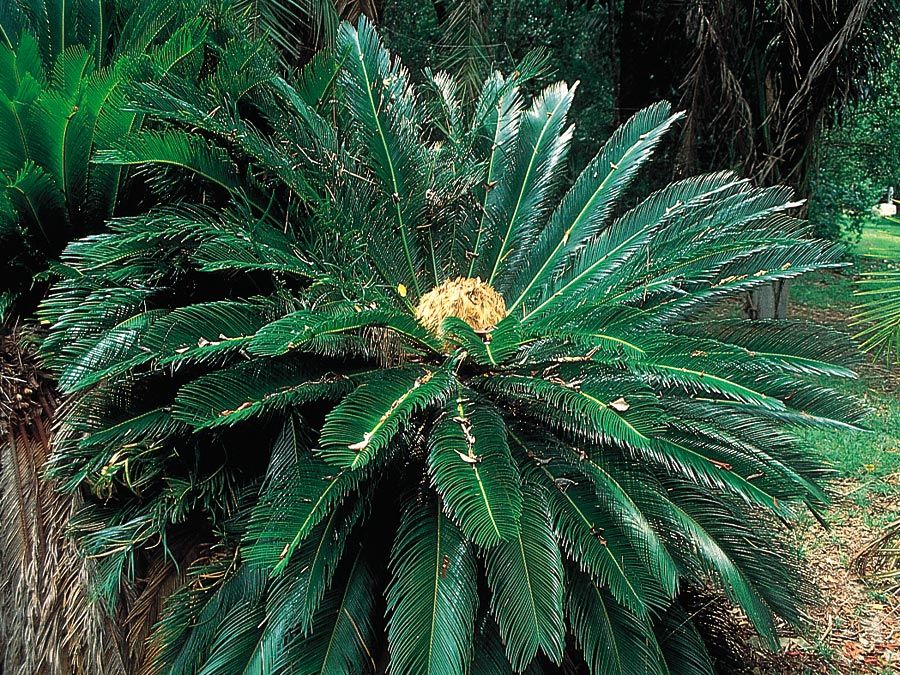
The forests of Pinar del Río, located in western Cuba, are home to unique botanical and animal life. A notable feature of this region is the presence of cork palms (Microcycas calocoma), which are considered “living fossils” and represent a genus of cycads that has existed for over 100 million years.9
The broader Cuban landscape, which includes these western regions, supports a diverse array of wildlife:
- Birds: The endemic, forest-dwelling tocororo (Priotelus temnurus) is the national bird of Cuba and is found in the wild.9
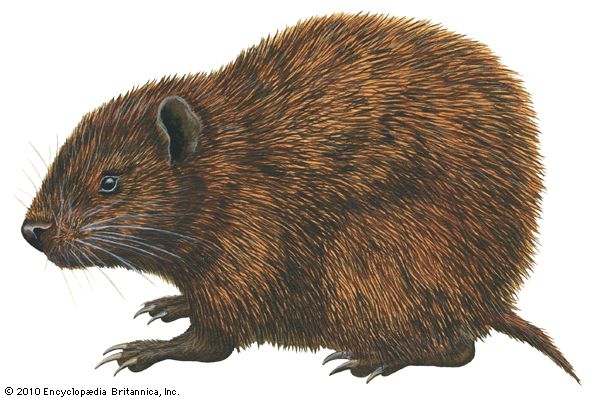
- Mammals: The region hosts hutias, which are edible rodents, and various types of bats that play an important role in controlling insect populations.9
- Reptiles and Amphibians: The area is inhabited by various reptiles, including the majá de Santa María (Epicrates angulifer), the largest of Cuba’s non-venomous snakes, as well as diverse amphibians such as frogs and bullfrogs.9
Sources
- Cordillera de Guaniguanico — Encyclopædia Britannica
- Cordillera de Guanacaste — Encyclopædia Britannica
- Cuba - Relief — Encyclopædia Britannica
- cave - Fluviokarst — Encyclopædia Britannica
- pepino hill — Encyclopædia Britannica
- karst — Encyclopædia Britannica
- oxyacid - Carbonate and hydrogen carbonate salts — Encyclopædia Britannica
- cave - Cone and tower karst — Encyclopædia Britannica
- Cuba - Plant and animal life — Encyclopædia Britannica
- Pinar del Río — Encyclopædia Britannica
Published on · 3 min read