Hutia
Hutia populations face several significant threats that have led to the extinction of many species and the endangerment of others. The primary pressures on…
What are the main threats to hutia populations in the wild?
Hutia populations face several significant threats that have led to the extinction of many species and the endangerment of others. The primary pressures on these Caribbean rodents include:
- Hunting: Historically, hunting by native islanders and early European colonists caused the extermination of hutia populations on various islands.1
- Habitat Destruction: The expansion of human populations has resulted in the widespread loss of essential habitats, particularly forests.1
- Restricted Range: Due to these human-driven pressures, surviving hutias are no longer found across their former range. They are now largely restricted to isolated areas such as cays, steep ravines, and remote mountain valleys, making them increasingly vulnerable.1
While some species remain stable, others are becoming increasingly rare as their natural environments continue to disappear.1
How have hutias been historically important to indigenous peoples in their native habitats?
Historically, hutias were a significant resource for indigenous peoples in the Caribbean. The name “hutia” itself is derived from the Taíno language, reflecting the long-standing relationship between these rodents and the native populations of the region.1
These animals were primarily valued as a food source. They are categorized as large, edible rodents, and their historical importance is underscored by the fact that they were hunted by native islanders across their native habitats. This reliance on hutias as a source of sustenance was so significant that it contributed to the reduction of their populations on various islands even before the arrival of European colonists.21
What are hutias and where are they primarily found?
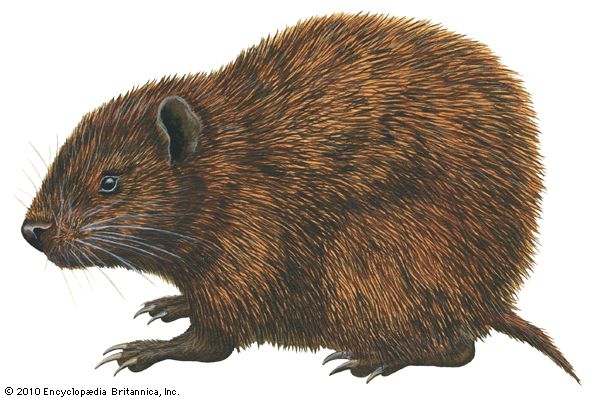
Hutias are a group of rodents belonging to the family Capromyidae, comprising 26 living and recently extinct species native to the Caribbean. They are characterized as stout, short-limbed animals with large heads, small eyes and ears, prominent claws, and long whiskers. Their size varies significantly, ranging from the rat-sized dwarf hutia to the raccoon-sized Desmarest’s Cuban hutia.1
These animals are primarily found in the Caribbean region. While they once occupied a wide range of elevations, human population expansion and habitat destruction have restricted their current populations to isolated areas, including swamp forests, coastal regions, and rocky, mountainous habitats such as cays, steep ravines, and remote mountain valleys.1
Hutias are adept climbers that den in tree nests, cavities, and rock crevices rather than burrowing. Depending on the species, they may be diurnal or nocturnal, with some, like the long-tailed Cuban hutias, being entirely arboreal.1
How many species of hutias exist, and are any of them endangered?
There are 26 species of hutias identified as living or recently extinct. Within the family Capromyidae, there are currently 13 surviving species distributed across five genera.1
Regarding their conservation status, many hutia species are considered rare and are facing increasing threats. While some species are not currently endangered, others are becoming increasingly rare due to human population expansion and the destruction of their natural habitats, particularly forests. Historically, hunting by native islanders and early European colonists led to the total extermination of hutia populations on several islands. For instance, the Puerto Rican hutia (Isolobodon portoricensis) is now extinct, and nine of the 22 species within the five primary genera have gone extinct within historical time.1
Sources
- hutia — Encyclopædia Britannica
- hutia — Merriam-Webster
Published on · 2 min read