Coromandel Coast
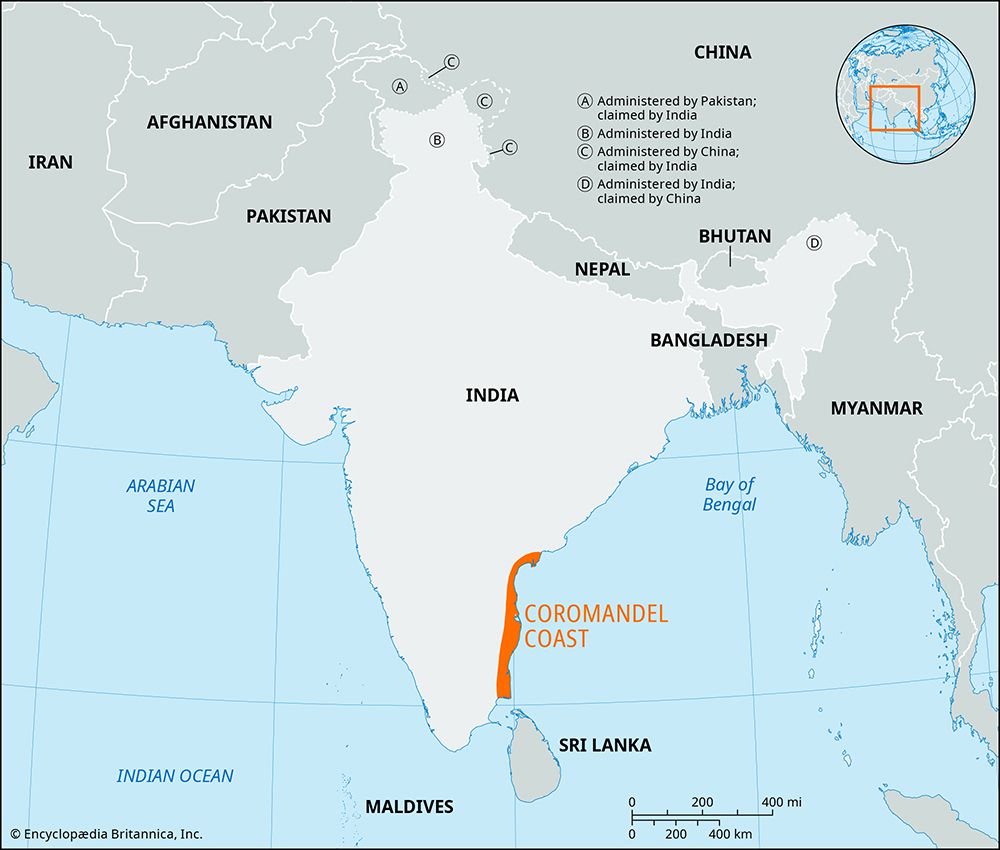
The Coromandel Coast is a broad coastal plain located in the state of Tamil Nadu in southeastern India.
What is the geographical location and extent of the Coromandel Coast?
The Coromandel Coast is a broad coastal plain located in the state of Tamil Nadu in southeastern India.
The region covers an area of approximately 8,800 square miles (22,800 square km) and is defined by the following boundaries:
- North: Utkal Plains
- East: Bay of Bengal
- South: Kaveri delta
- West: Eastern Ghats
The coastline is relatively straight, featuring an average elevation of 264 feet (80 meters) and is characterized by sandbars and an offshore chain of coral islands. The name itself is derived from the Tamil Chola Mandalam, reflecting the historical influence of the Chola dynasty in the region.12
How has the Coromandel Coast influenced the culture and traditions of the region?
The Coromandel Coast has profoundly shaped the cultural and religious landscape of southeastern India, earning it the historical designation as the “land of the temples.” This identity is rooted in the region’s deep connection to the Chola dynasty, which ruled from the 9th to the 13th century and left behind a legacy of monumental architecture and organized religious life.13
Key influences on the region’s traditions include:
- Religious Architecture: The coast is home to tens of thousands of temples, many featuring iconic gopurams (gateway towers). Notable sites include the 7th- and 8th-century structures at Mamallapura, a UNESCO World Heritage Site.4
- Spiritual Traditions: The region served as a center for the revival of Shaivism and the development of southern Vaishnavism. This spiritual heritage is maintained today through temple festivals and car processions, as well as through sectarian monastic institutions known as mathas.34
- Literary and Historical Legacy: Much of the Tamil classical literature and architectural heritage originated during the Sangam period, cementing a cultural identity that remains central to the Tamil people today.35
What are the main economic activities and industries along the Coromandel Coast?
The economy of the Coromandel Coast is primarily driven by agriculture, supplemented by a robust and diverse industrial sector.
Agriculture
Agriculture serves as the mainstay of the regional economy. Key crops cultivated across the coastal plains include:
- Food crops: Rice, pulses (legumes), and sugarcane.
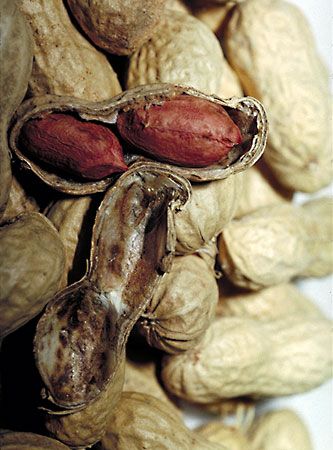
- Cash crops: Cotton, peanuts (groundnuts), tobacco, and oilseeds.
- Plantations: The coastal areas feature significant casuarina and coconut plantations, while bananas and betel nuts are commonly grown in the interior regions.16
Industry
The Coromandel Coast is one of the most industrialized regions in India, a development that began during the British colonial era. Major industrial activities include:
- Manufacturing: Production of automobiles, trucks, and heavy vehicles, including specialized facilities like an armored car factory. Other key products include fertilizers, chemicals, textiles, cement, galvanized pipes, film projectors, amplifiers, and electronic equipment.16
- Infrastructure and Energy: The region hosts significant infrastructure, such as one of Asia’s largest railway coach facilities at Perambur. Energy production is also a vital component, supported by a nuclear power station at Kalapakkam and a large thermal power plant at Neyveli.16
What was the historical significance of the Chola dynasty in this region?
The Chola dynasty was a preeminent power in South India, exerting significant influence over the region from the 9th to the 13th century. Originating in the Kaveri River valley, the Cholas established a highly organized state characterized by sophisticated revenue administration, village self-government, and advanced irrigation systems.38
Their historical significance is defined by several key achievements:
- Territorial Expansion: Under rulers like Rajaraja I and Rajendra I, the empire expanded across the peninsula, encompassing parts of Sri Lanka, the Maldive Islands, and territories as far north as the Ganges River.38
- Maritime Power: The Cholas maintained a formidable navy, which secured control over vital trade routes to Southeast Asia, Arabia, and China, facilitating the exchange of spices and other goods.8
- Cultural and Religious Legacy: The era saw a revival of Shaivism and the development of southern Vaishnavism. They were prolific patrons of the arts, commissioning monumental architecture such as the Brihadishvara temple at Thanjavur.3
Sources
- Coromandel Coast — Encyclopædia Britannica
- Coromandel — Merriam-Webster
- Chola dynasty — Encyclopædia Britannica
- Tamil Nadu - Cultural milieu — Encyclopædia Britannica
- Tamil Nadu - Population composition — Encyclopædia Britannica
- Tamil Nadu Plains — Encyclopædia Britannica
- British Virgin Islands - Agriculture — Encyclopædia Britannica
- India - The Cholas — Encyclopædia Britannica
- India - Southern India — Encyclopædia Britannica
- Tamil Nadu - History — Encyclopædia Britannica
Published on · 3 min read