Cotton Rat
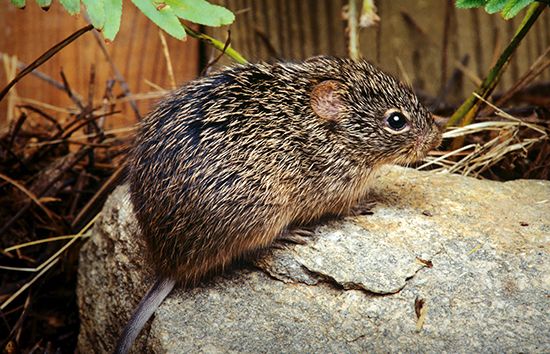
Cotton rats (genus Sigmodon) are stout-bodied rodents distinguished by their coarse, grizzled coats and small ears. While they share similarities with other…
How do cotton rats differ from other rodent species?
Cotton rats (genus Sigmodon) are stout-bodied rodents distinguished by their coarse, grizzled coats and small ears. While they share similarities with other small mammals, they are uniquely characterized by their specific ecological roles and behaviors:1
- Ecological Equivalency: Cotton rats serve as the larger-bodied ecological equivalent to the prairie vole. In parts of the United States, their range expansion has led them to replace native prairie vole populations.1
- Geographic Counterparts: At northern latitudes where cotton rats are absent, the meadow vole functions as their ecological counterpart, occupying similar grassland and agricultural niches.1
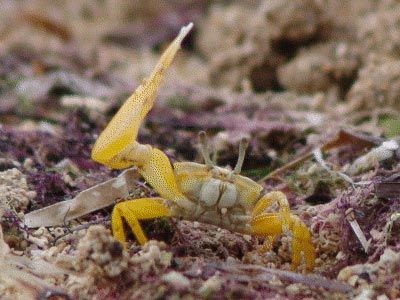
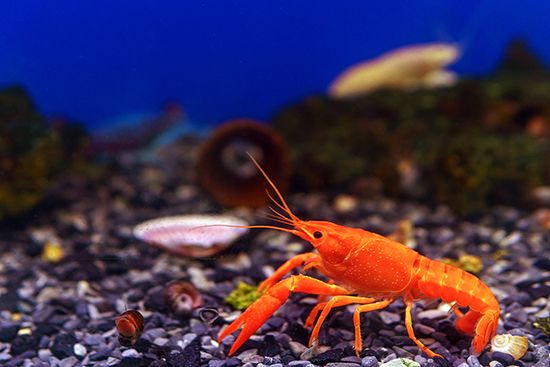
- Dietary Flexibility: Unlike many strictly herbivorous rodents, the hispid cotton rat exhibits opportunistic feeding habits, consuming insects, crayfish, fiddler crabs, and occasionally bird eggs alongside their primary diet of grass and forbs.1
- Reproductive Output: They are highly prolific, often producing several large litters annually, which allows them to outnumber many other small mammals in their habitats.1
What is the diet of cotton rats and how does it impact their ecosystem?
Cotton rats (genus Sigmodon) are primarily herbivorous, feeding on grass and forbs. However, they are opportunistic omnivores; for example, the hispid cotton rat seasonally consumes insects, crayfish, fiddler crabs, and occasionally the eggs or chicks of ground-nesting birds like the bobwhite quail.1
Ecological and Agricultural Impact
The impact of cotton rats on their ecosystem is significant due to their high population density and dietary habits:
- Agricultural Pests: Because they thrive in dense vegetation, they often inhabit cultivated fields. They can become serious agricultural pests, causing damage to crops such as sugarcane, vegetable crops, alfalfa, and corn./dictionary/alfalfa), and corn.12
- Ecological Displacement: As a prolific species, cotton rats often outnumber other small mammals. In parts of the United States, their range expansion has led them to displace native prairie vole populations, as they serve as a larger-bodied ecological equivalent.1
- Habitat Utilization: They maintain extensive surface trails through grasslands, which influences the structure of their immediate environment and provides protection from predators.1
Are cotton rats considered pests, and if so, how do they affect agriculture?
Yes, cotton rats (genus Sigmodon) are considered serious agricultural pests. Because they thrive in habitats where vegetation is sufficiently tall and dense to provide protection from predators, they frequently inhabit cultivated fields.2
Their impact on agriculture is primarily due to their feeding habits and high population densities. They can cause significant damage to a variety of crops, including:
In addition to direct crop consumption, their presence is bolstered by their prolific reproductive rate, which allows them to outnumber many other small mammals in agricultural areas. By maintaining extensive surface trails through these fields, they further navigate and utilize the environment to sustain their populations.2
What natural predators do cotton rats have in their habitats?
The provided search results do not explicitly list the specific natural predators of cotton rats. While the text notes that cotton rats utilize tall, dense vegetation to provide protection from predators, it does not identify the specific animals that prey upon them.1
Although rat snakes are known to hunt rats and mice in general, the provided information does not confirm them as a specific predator of the genus Sigmodon.3
Sources
- cotton rat — Encyclopædia Britannica
- cotton rat — Merriam-Webster
- rat snake — Encyclopædia Britannica
Published on · 2 min read