Do Fish Drink Water?
Whether a fish drinks water depends on its environment and the process of osmoregulation, which maintains the balance of water and salts within its body.
Do fish drink water?
Whether a fish drinks water depends on its environment and the process of osmoregulation, which maintains the balance of water and salts within its body.1
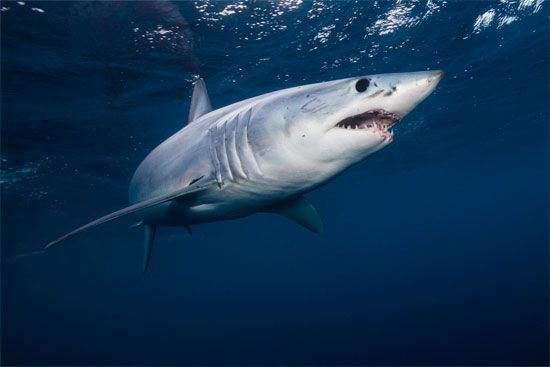
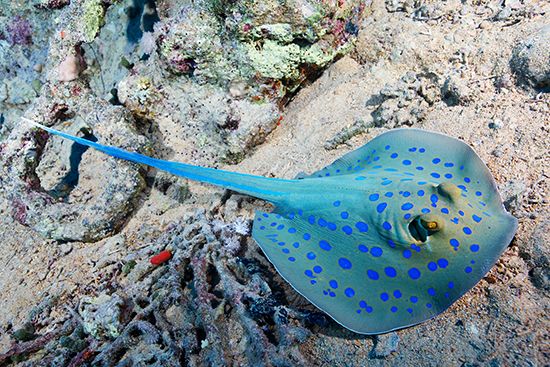
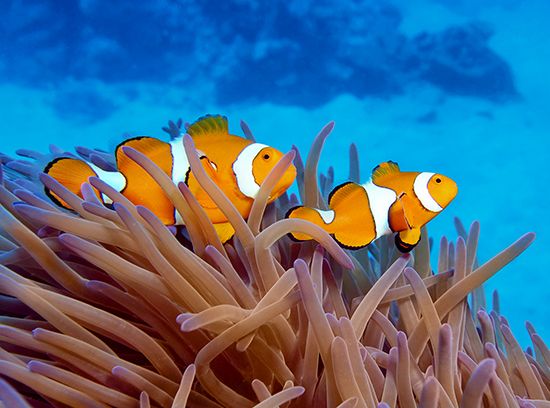
- Marine fish: Because seawater is saltier than their internal fluids, these fish constantly lose water through osmosis. To compensate, they drink large quantities of seawater, retaining the water and excreting excess salts through their kidneys and gills. However, some species, such as sharks and rays, have internal salt concentrations similar to seawater and do not need to drink.12
- Freshwater fish: These fish live in environments with lower salt concentrations than their bodies, causing them to absorb water naturally through osmosis. Consequently, they drink very little water, instead using their kidneys to excrete large amounts of excess fluid.12
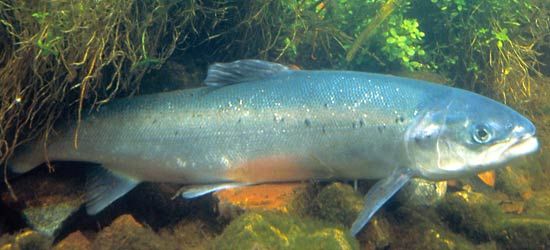
Some species, like salmon, can transition between these environments by adjusting their physiological processes.12
What is the role of gills in maintaining a fish’s salt balance?
Gills play a critical role in osmoregulation by actively transporting ions to maintain a fish’s internal salt balance, a process that consumes significant energy.24
Because respiratory surfaces must be permeable to allow for gas exchange, fish are constantly susceptible to the effects of osmosis and diffusion. Gills manage these challenges through specialized cells that move salts against the diffusion gradient:24
- Freshwater fish: These fish live in environments with lower salt concentrations than their bodies, causing them to lose salts to the surrounding water. To compensate, specialized cells in the gills actively absorb salts from the water.24
- Marine fish: These fish face the opposite problem, as they live in water with a higher salt concentration than their internal fluids. To maintain balance, they drink seawater and use clusters of specialized cells in their gills, known as chloride cells, to pump excess salts out of the body.24
Beyond salt regulation, the gills also serve as a primary site for the excretion of nitrogenous waste, such as ammonia. excretion of nitrogenous waste, such as ammonia.2
How do salmon physically adapt when moving between fresh and salt water?
Salmon are anadromous fish, meaning they possess the remarkable ability to transition between freshwater and saltwater environments throughout their life cycle. This process requires significant physiological adjustments to manage osmoregulation, as the fish must reverse the direction of salt and water transport across their gills to maintain internal homeostasis.16
Key aspects of their adaptation include:
- Brackish Water Acclimation: To avoid physiological shock, salmon typically spend time in brackish water (estuaries) when moving between environments. This intermediate salinity allows their osmotic regulating systems time to adjust.165
- Hormonal Regulation: The endocrine system plays a vital role in this transition. Specifically, the hormone prolactin is essential for helping salmon adapt when moving from salt water back into fresh water.7
- Cellular Changes: In seawater, specialized chloride cells in the gills actively pump excess salts out of the body. When moving to freshwater, these processes reverse to actively absorb salts from the environment, while the kidneys shift to excreting large amounts of dilute urine to manage water influx.86
Why do sharks and rays not need to drink water like other marine fish?
Sharks and rays do not need to drink water like many other marine fish because they maintain an internal osmotic concentration that is similar to, or even slightly higher than, that of the surrounding seawater.215
While most marine bony fish have blood that is less salty than the ocean—causing them to lose water constantly through osmosis and forcing them to drink seawater to survive—sharks and rays utilize a different strategy. They retain high levels of nitrogenous waste products, specifically urea and trimethylamine oxide, within their blood and tissues. By accumulating these substances, they elevate their internal osmotic pressure, which prevents the passive loss of water to the environment. Because their body fluids are effectively in balance with the sea, they do not face the same dehydration risks as other marine fish and therefore do not need to swallow seawater to maintain their water balance. Any excess salt that does enter their bodies is typically removed through a specialized organ known as the rectal gland.211512
Sources
- Do fish drink water? — Encyclopædia Britannica
- fish - Excretory organs — Encyclopædia Britannica
- fish - The skin — Encyclopædia Britannica
- How do gills work? — Encyclopædia Britannica
- Biosphere - Salinity — Encyclopædia Britannica
- Endocrine system - Growth hormone and prolactin — Encyclopædia Britannica
- Migration - Anadromous fish — Encyclopædia Britannica
- smolt — Merriam-Webster
- Why do salmon die after spawning? — Encyclopædia Britannica
- clupeiform - Physiology — Encyclopædia Britannica
- chondrichthyan - Salt and water balance — Encyclopædia Britannica
- Excretion - Fishes — Encyclopædia Britannica
Published on · 3 min read