Echinosphaerites
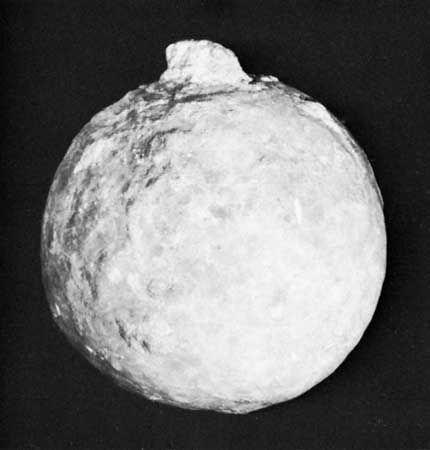
Echinosphaerites is a genus of cystoids, which are an extinct class of primitive echinoderms. These animals were related to modern sea lilies and starfish…
What is Echinosphaerites?
Echinosphaerites is a genus of cystoids, which are an extinct class of primitive echinoderms. These animals were related to modern sea lilies and starfish, characterized by saclike bodies covered in numerous plates and attached to a stem anchored to the seafloor.12
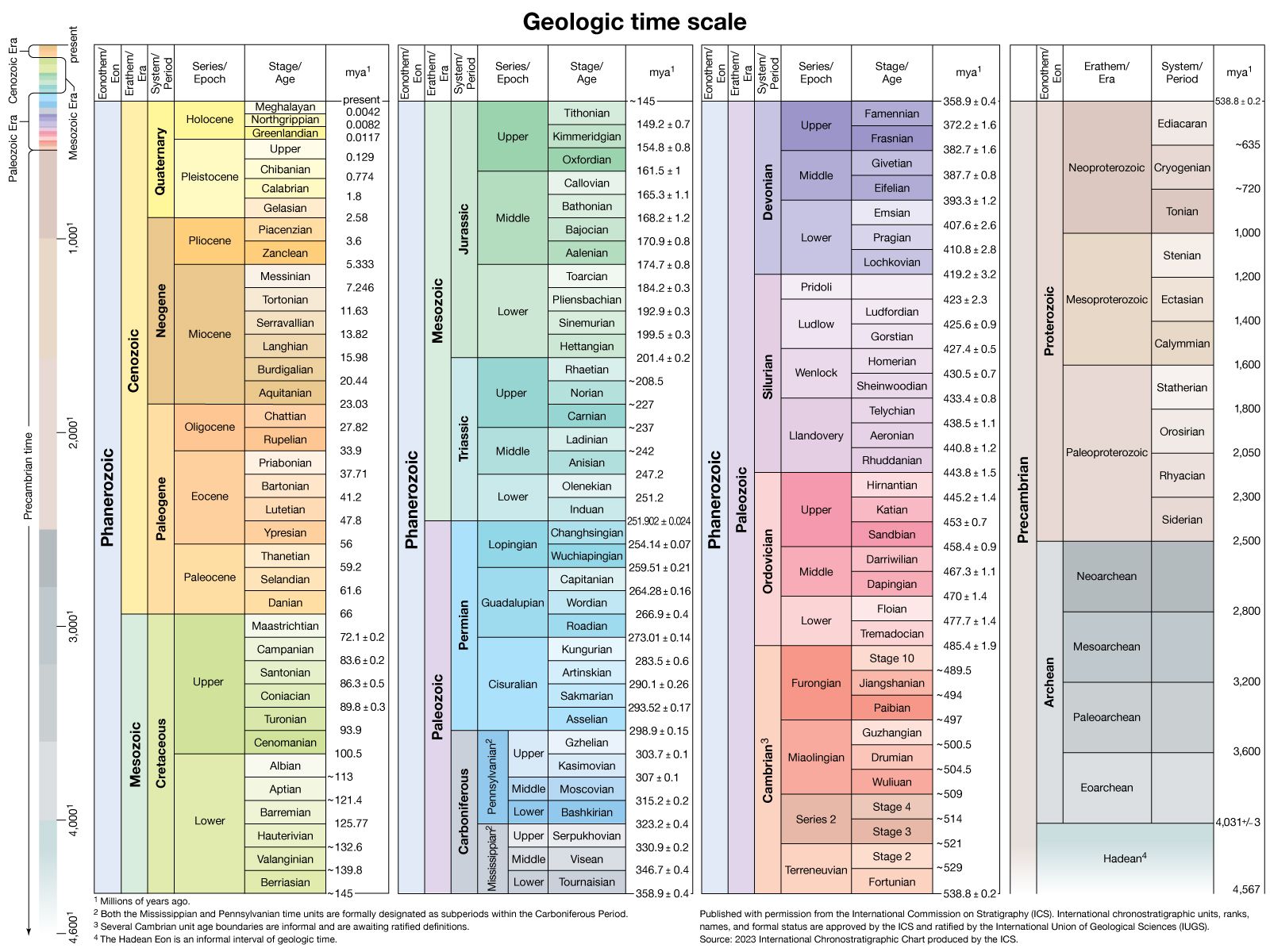
Found as fossils within Ordovician marine rocks, Echinosphaerites serves as a valuable index fossil. Because these organisms existed during a specific geological timeframe—roughly 505 to 438 million years ago—they help geologists correlate and date rock units across different locations.12
What are index fossils and why are they important?
An index fossil is a plant or animal preserved in the Earth’s rock record that serves as a diagnostic marker for a specific span of geologic time or a particular environment.4
To be considered a useful index fossil, an organism should ideally possess the following characteristics:
- Short temporal range: The species existed for only a brief moment in geologic history, allowing for precise dating.5
- Wide geographic distribution: The organism was cosmopolitan, meaning it can be found across various regions and rock types.5
- Abundance: The fossilized remains are common enough to be easily discovered.45
- Distinctive appearance: The fossil is easily recognizable, which helps prevent misidentification.45
Index fossils are essential to stratigraphy because they provide the basis for defining boundaries in the geologic time scale and for the correlation of separated rock outcrops. By applying the principle of faunal succession, geologists can determine the relative age of rock layers based on the unique fossil assemblages they contain.45
How do cystoids differ from modern sea lilies?
While both cystoids and modern sea lilies (crinoids) are echinoderms, they represent different evolutionary paths. Cystoids are an extinct class that existed from the Middle Ordovician to the Late Devonian, whereas crinoids have survived to the present day.2
The primary differences lie in their body structure and reproductive anatomy:
- Body Morphology: Cystoids were characterized by saclike bodies covered in numerous calcareous plates and were attached to a stem anchored to the seafloor. In contrast, modern crinoids possess a more specialized body plan, often featuring feathery arms used for filter feeding.2
- Reproductive Systems: Modern crinoids are unique among echinoderms because their gonads are located outside the main body cavity, typically filling special cavities within their arms or pinnules. Conversely, many early fossil echinoderms, including ancestral forms, are assumed to have had a more primitive reproductive arrangement, often featuring a single genital opening or gonopore.6
While cystoids were once diverse and served as important index fossils for correlating rock units, they disappeared from the fossil record millions of years ago, leaving crinoids as the primary living representatives of their stalked echinoderm lineage.2
What characterizes the Ordovician Period?
The Ordovician Period (485.4 to 443.8 million years ago) was the second period of the Paleozoic Era, characterized by profound shifts in plate tectonics, climate, and biological diversity.89
Geological and Climatic Conditions
Rapid seafloor spreading led to some of the highest global sea levels in the Phanerozoic Eon, flooding continents to unprecedented levels. Atmospheric carbon dioxide levels were significantly higher than today, fostering warm climates globally until a brief, intense period of glaciation occurred in the Southern Hemisphere at the end of the period.8910
Biological Evolution
The period is defined by the “Ordovician radiation,” an intense diversification of marine life that saw the emergence of almost every modern invertebrate phylum and the rise of fish. Common marine life included brachiopods, bryozoans, trilobites, mollusks, echinoderms, and graptolites. On land, the first plants and possibly the first arthropods appeared. and possibly the first arthropods appeared.8911
Mass Extinction
The period concluded with the second-largest mass extinction in Earth’s history, which claimed approximately 85 percent of species, likely driven by global cooling and falling sea levels associated with glaciation.8129
Sources
- Echinosphaerites — Encyclopædia Britannica
- cystoid — Encyclopædia Britannica
- echinoderm - Distinguishing taxonomic features — Encyclopædia Britannica
- index fossil — Encyclopædia Britannica
- dating - Principles and techniques — Encyclopædia Britannica
- moss animal - Evolution and paleontology — Encyclopædia Britannica
- echinoderm - Reproductive system — Encyclopædia Britannica
- A Journey Through Time Since the Precambrian - Ordovician Period: 485.4 million to 443.4 million years ago — Encyclopædia Britannica
- Ordovician Period - Invertebrates — Encyclopædia Britannica
- Ordovician Period - Mass extinction at the end of the Ordovician — Encyclopædia Britannica
- Ordovician Period — Encyclopædia Britannica
- Ordovician Period - Paleoclimate — Encyclopædia Britannica
Published on · 3 min read