Española Island
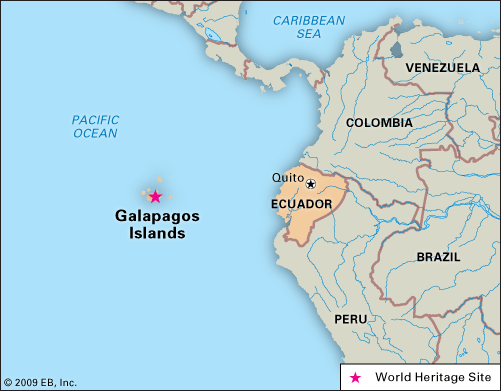
Española Island is the southernmost of the major Galápagos Islands, located in the eastern Pacific Ocean approximately 600 miles (965 km) west of Ecuador.
What is Española Island?
Española Island is the southernmost of the major Galápagos Islands, located in the eastern Pacific Ocean approximately 600 miles (965 km) west of Ecuador.1
Spanning an area of 18 square miles (47 square km), the island is notable for its large colonies of seals and albatrosses. It remains uninhabited, as there are no human settlements on the island.1
What makes the Waved Albatross unique to this island?
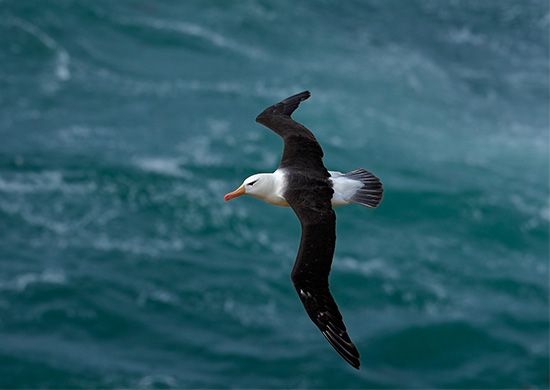
The Waved Albatross (Phoebastria irrorata) is unique to Española Island because it is the only place in the world where this species breeds. While the provided search results detail the general reproductive behaviors of albatross species—such as their elaborate greeting ceremonies, lifelong pair bonds, and long-term parental care—they do not explicitly detail the specific ecological factors that restrict the Waved Albatross to this single island.
Generally, albatrosses are known for their high site fidelity, returning to the same nesting grounds each year to breed. Like other members of the order Procellariiformes, they face intense competition for nesting territories on small islands and rely on specific environmental conditions to support their long, slow reproductive cycles.
How do animals adapt to life on the Galapagos Islands?
Animals on the Galápagos Islands have adapted to their environment primarily through a process known as adaptive radiation. When ancestral species arrived on these remote, volcanic islands, they encountered an abundance of unoccupied ecological niches. With few competitors, these populations diverged over time, evolving specialized traits to exploit different food sources and habitats.45
Key examples of these adaptations include:
- Darwin’s Finches: These birds evolved from a single common ancestor into multiple species. Their most distinct adaptation is the variation in beak shape and size, which allows different species to specialize in probing, grasping, or crushing specific types of food, such as insects or plant matter.65
- Marine Iguanas: These unique lizards adapted to a marine lifestyle, feeding on seaweed in the ocean and congregating on coastal rocks.6
- Galápagos Penguins: As the most northerly penguin species, they have adapted to tropical conditions, though they remain highly sensitive to fluctuations in food availability caused by ocean currents like El Niño.7
These evolutionary changes, driven by natural selection, have resulted in a high number of endemic species found nowhere else on Earth.68
Why are there no human settlements on Española Island?
While Española Island is part of the Galápagos Islands, it currently has no human settlements. The human population of the archipelago is concentrated on only a few specific islands, including San Cristóbal, Santa María, Isabela, and Santa Cruz.15
The absence of human settlements on Española is consistent with the broader management of the archipelago, where many islands remain virtually untouched by humans to preserve their status as wildlife sanctuaries. Española specifically serves as a critical habitat for large colonies of albatross and seals, and the Ecuadorian government maintains strict protections for the region under the Galápagos National Park designation to safeguard its indigenous vegetation and animal life.51
Sources
- Española Island — Encyclopædia Britannica
- list of islands - Ecuador — Encyclopædia Britannica
- Procellariiform - Reproduction and growth — Encyclopædia Britannica
- adaptive radiation — Encyclopædia Britannica
- Galapagos Islands — Encyclopædia Britannica
- What Darwin Got Right (and Wrong) About Evolution — Encyclopædia Britannica
- evolution - Adaptive radiation — Encyclopædia Britannica
- Galapagos penguin — Encyclopædia Britannica
Published on · 2 min read