Everlasting
"Everlasting" plants, such as those in the genus Helichrysum, retain their form and color because they possess naturally dry, stiff, or membranous…
How do everlasting plants retain their shape and color for extended periods?
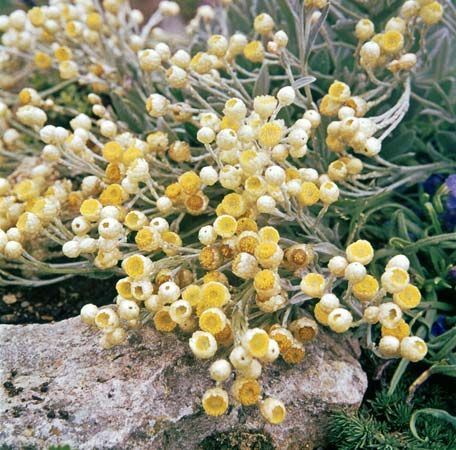
“Everlasting” plants, such as those in the genus Helichrysum, retain their form and color because they possess naturally dry, stiff, or membranous bracts—specialized leaves located below the flowers. These structures are inherently resistant to wilting and maintain their appearance even after the plant has been dried.12
While some plants possess these qualities naturally, others are preserved through specific drying techniques to achieve similar results. Common methods include:
- Air-drying: Hanging flowers upside down in a dark, dry environment for several weeks.2
- Desiccant drying: Burying flower heads in moisture-absorbing materials like silica gel or borax, which gently draw out moisture while preserving the shape of the petals.2
- Pressing: Used primarily for foliage and delicate flowers to flatten and preserve them for display.2
These processes allow the plant materials to remain stable for extended periods, making them popular choices for winter bouquets and long-lasting floral arrangements.2
What are some common examples of everlasting plants?
Everlasting plants are prized for their ability to retain their form and color when dried, making them ideal for long-lasting floral arrangements. Common examples include:1
- True Everlastings: Species of the genus Helichrysum, such as the strawflower (H. bracteatum), are among the most popular due to their dry, scalelike bracts.15
- Amaranthaceae Family: This group includes the globe amaranth (Gomphrena globosa) and the woolflower (Celosia argentea), both of which feature durable, membranous structures.1
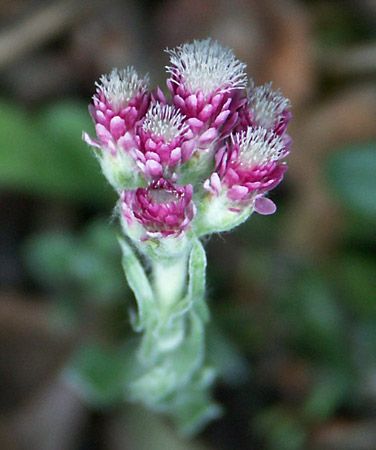
- Wildings and Other Genera: Various other plants are frequently used, including species of Helipterum, Ammobium, Xeranthemum, and the pearly everlasting (Anaphalis margaritacea).15
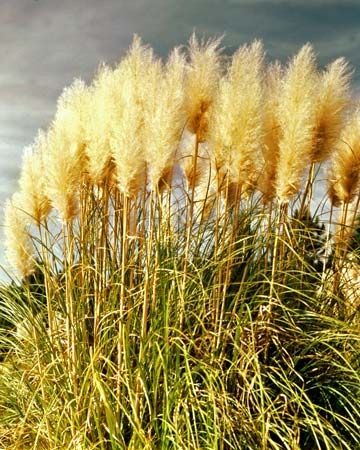
- Grasses and Seed-Bearers: Many grasses with showy plumes—such as pampas grass, millet, and sorghum—as well as seed-bearing capsules like the flat disks of honesty (Lunaria) and Chinese lanterns (Physalis), are also classified as everlastings.15
What is an everlasting plant and why is it called that?
An everlasting is any of several plants that retain their shape and color after being dried, making them popular for use in dry bouquets and floral arrangements.13
They are called “everlasting” because their flowers can be dried without losing their original form or color. This durability is primarily due to the presence of dry, scalelike, or membranous bracts—specialized leaves located beneath the flowers—that do not wilt as standard petals do.31
Common examples include:
- True Everlastings (Immortelles): Species of the genus Helichrysum, such as the strawflower (H. bracteatum).1
- Amaranthaceae Family: Including the globe amaranth and the woolflower.1
- Other Varieties: The pearly everlasting (Anaphalis margaritacea), as well as various grasses and species like Helipterum and Xeranthemum.1
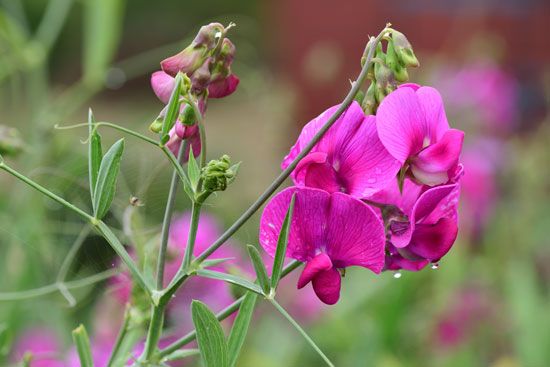
While the term generally refers to these dried-flower varieties, it is distinct from the “everlasting pea,” which is a perennial plant of the genus Lathyrus and not typically categorized as a dried-flower everlasting.7
How have everlasting plants been used in different cultures throughout history?
Throughout history, humans have utilized everlasting plants and dried materials to embellish their environments, mark celebrations, and preserve memories. Because these plants retain their form and color after drying, they have long served as a reliable medium for floral decoration across diverse cultures.18
Historical and Cultural Uses
- Winter Bouquets and Festivals: Dried plant materials, including everlastings like strawflowers and globe amaranth, have traditionally been used to create “winter bouquets” when fresh flowers were unavailable. In various European and American traditions, grains like wheat and oats, as well as cones and nuts, were arranged in bunches or wreaths for harvest celebrations and winter festivals such as Christmas. In Sweden and Lithuania, straw has historically been used for holiday decorations.8
- Sentimental Memorabilia: During the 19th century, the Romantic movement popularized the practice of pressing delicate flowers and foliage. These were often mounted and framed as personal souvenirs or sentimental memorabilia.8
- Artistic and Symbolic Craft: Beyond natural specimens, cultures have long created artificial “everlasting” facsimiles. For example, Chinese artisans crafted intricate trees from jade and semiprecious stones, while gold lotus blossoms were highly valued in eastern Asia. In the 19th century, the Victorian era saw a surge in home crafts, where people created elaborate floral displays using materials like wax, feathers, shells, and even human hair.8
Sources
- everlasting — Encyclopædia Britannica
- Floral decoration - Techniques — Encyclopædia Britannica
- everlasting — Merriam-Webster
- Floral decoration - Materials — Encyclopædia Britannica
- Amaranthaceae — Encyclopædia Britannica
- gardening - Lawns and ground covers — Encyclopædia Britannica
- everlasting pea — Merriam-Webster
- Floral decoration - 19th century — Encyclopædia Britannica
- Floral decoration — Encyclopædia Britannica
Published on · 3 min read