Pussy-toes
Pussy-toes refers to any of several species of low-growing, woolly plants belonging to the genus Antennaria in the aster family. These perennial herbs are…
What is Pussy-toes?
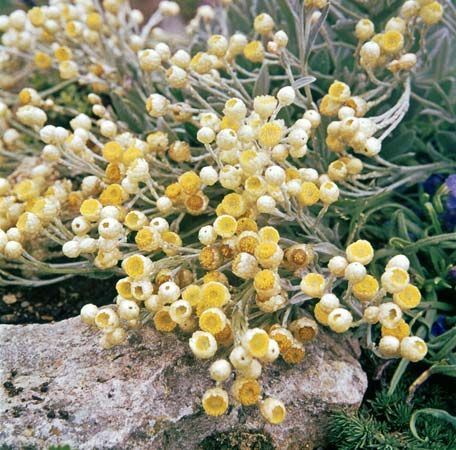
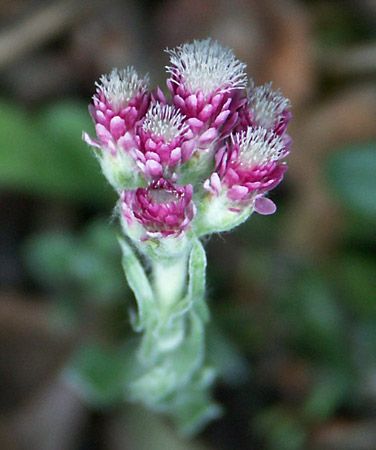
Pussy-toes refers to any of several species of low-growing, woolly plants belonging to the genus Antennaria in the aster family. These perennial herbs are native to North and South America, northern Europe, and Asia.12
The plants are characterized by their gray-white, woolly appearance and clusters of small, typically whitish flower heads that resemble a cat’s paw, which is the origin of their common name. Because these flower heads retain their shape and color when dried, some species are also known as “everlasting”. While some varieties are cultivated for rock gardens, others, such as the plantain-leaved pussy-toes (A. plantaginifolia), are known by names like “ladies’ tobacco”.12
Why are these plants often called everlasting?
Plants are referred to as “everlasting” because they retain their form and color after being dried, making them popular choices for dry bouquets and floral arrangements.1
In the case of pussy-toes (Antennaria), this characteristic allows their flower heads to be harvested and preserved for decorative use. This trait is shared by various other plants across different families, such as the strawflower (Helichrysum), pearly everlasting (Anaphalis margaritacea), and the globe amaranth. These plants often possess dry, scalelike, or membranous bracts—specialized leaves located below the flowers—that maintain their appearance long after the plant has been cut and dried.31
What role do pussytoes play in rock gardens?
Pussytoes are valued in rock gardens primarily for their low-growing, mat-forming habit and their distinct, woolly foliage. Because they are hardy and thrive in the well-drained, often rocky conditions typical of these garden settings, they serve as excellent ground covers or accent plants.1
Their aesthetic appeal is enhanced by their gray-white, felt-like leaves and clusters of small, cat-paw-shaped flowers, which provide unique texture and color contrast against stones and other alpine plants. Varieties such as Antennaria dioica are particularly popular for cultivation due to their attractive white, woolly appearance and their ability to produce delicate white to rose-colored blooms.1
How do these plants adapt to different climates?
The provided search results do not contain information regarding how Antennaria (pussytoes) adapt to different climates. While the results mention that these plants are native to North and South America, northern Europe, and Asia, they do not detail the specific physiological or structural mechanisms they use to survive in these diverse environments.1
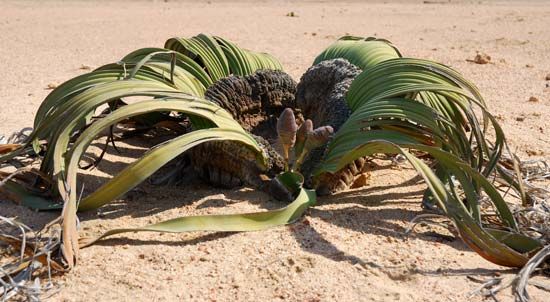
The information provided about Gnetum and Welwitschia describes unique leaf structures and water-management strategies for desert survival, but these are distinct from the Antennaria genus.4
Sources
- Pussy-toes — Encyclopædia Britannica
- pussytoes — Merriam-Webster
- everlasting — Encyclopædia Britannica
- gnetophyte - Leaves — Encyclopædia Britannica
Published on · 2 min read