Petal
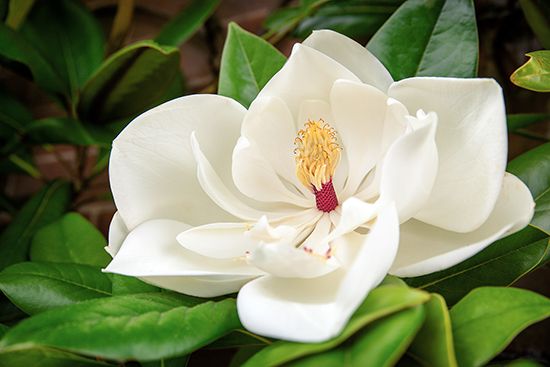
A petal is a sterile floral part that typically serves as a visually conspicuous element of a flower. These structures are modified leaves and are frequently…
What is Petal?
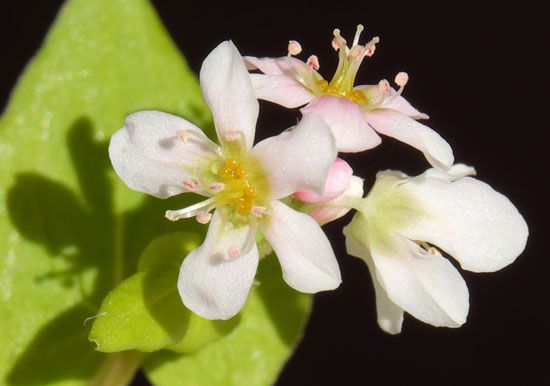
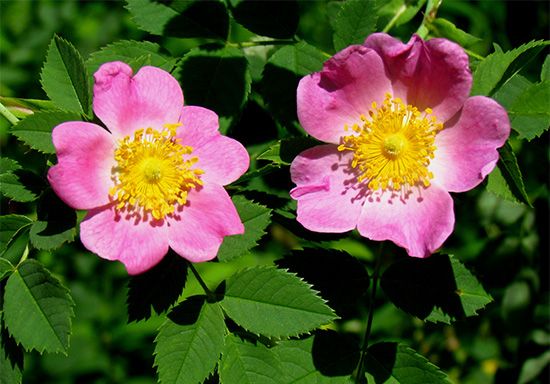
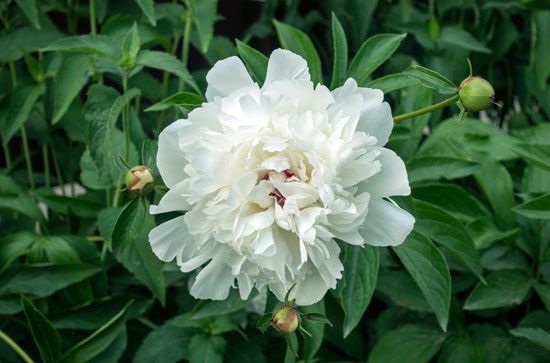
A petal is a sterile floral part that typically serves as a visually conspicuous element of a flower. These structures are modified leaves and are frequently brightly colored or white, which helps attract specific pollinators to the plant.1
How do petals help with plant reproduction?
Petals play a vital role in the sexual reproduction of angiosperms by facilitating pollination, the process necessary to bring male and female gametophytes together for fertilization.13
Their primary functions include:
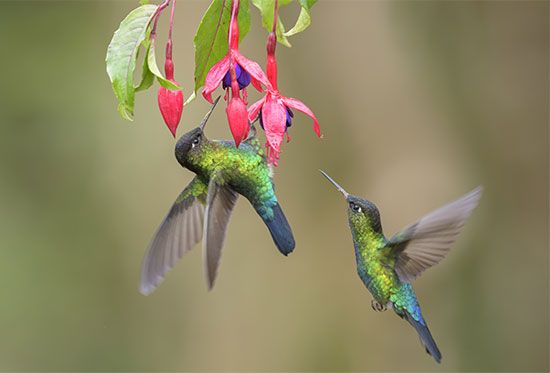
- Attracting Pollinators: Petals are typically brightly colored or white, serving as visual signals to attract insects and birds. In bird-pollinated flowers, these colors—often reds, blues, and yellows—are essential because birds generally have a poor sense of smell.415
- Providing Rewards and Cues: Many petals produce fragrances to lure pollinators and bear nectaries that secrete sugar-rich compounds. Some petals develop specialized extensions called spurs to store nectar, which encourages pollinators to interact with the flower’s reproductive structures.1
- Structural Guidance: The shape and arrangement of petals can force pollinators into specific positions, ensuring they come into contact with the flower’s pollen-bearing parts.15
While petals are central to these interactions, it is worth noting that many wind-pollinated plants have evolved to lack petals entirely, as they do not rely on animal intermediaries for reproduction.1
What are the different parts of a flower?
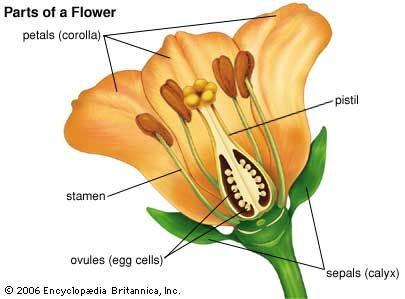
A complete flower is composed of four primary organs attached to a floral stalk by a receptacle. These organs are arranged in alternating, concentric whorls, typically progressing from the outside inward as follows:67
Accessory Parts (Sterile Appendages)
- Sepals: The outermost layer, which collectively form the calyx. They are usually green and leaflike, serving to enclose and protect the flower bud before it opens.678
- Petals: Located internal to the calyx, these collectively form the corolla. They are often brightly colored to attract pollinators. Together, the sepals and petals compose the perianth.698
Reproductive Parts
- Stamens: The male reproductive structures, collectively called the androecium. Each stamen consists of a filament (a slender stalk) topped by an anther, which produces pollen.6910
- Carpels: The female reproductive structures, collectively called the gynoecium. A carpel (or a group of fused carpels forming a pistil) consists of a stigma to receive pollen, a style, and an ovary that houses the ovules.698
How do pollinators like bees find flowers?
Bees locate flowers through a sophisticated combination of visual and chemical cues, which allow them to identify and navigate toward reliable food sources.1213
Visual Cues
Bees possess compound eyes that are sensitive to a spectrum of light different from that of humans, including ultraviolet radiation. While they are blind to red light, they perceive yellow, blue-green, and blue colors exceptionally well.1213
- Nectar Guides: Many flowers feature patterns—often visible only in ultraviolet—that act as “nectar guides.” These markings, such as dark patterns near the center of a flower, direct the bee toward the nectar source and the reproductive organs.121413
- Patterns and Shapes: Rather than relying on geometric shapes, bees are highly attracted to intricate radial patterns. They use these visual landmarks to orient themselves while traveling from their hive to a food source.1214
Chemical Cues
Fragrance plays a critical role in helping bees recognize and remain loyal to specific plant species.1513
- Odor Recognition: Bees use receptors on their antennae to detect complex blends of volatile compounds, such as terpenes and aromatic phenolics.15
- Learning and Efficiency: While the response to some odors is innate, bees often learn to associate the specific scent of a flower with the presence of nectar. This learned behavior encourages “flower constancy,” where a bee repeatedly visits the same plant species, thereby increasing the efficiency of cross-pollination.1513
Communication
Beyond individual discovery, honeybees can communicate the location of abundant food sources to other members of their colony through specialized dances, ensuring the efficient exploitation of available resources.13
Sources
- Petal: Top Questions — Encyclopædia Britannica
- Petaluma — Merriam-Webster
- Angiosperm - The corolla — Encyclopædia Britannica
- Angiosperm - General features — Encyclopædia Britannica
- orchid - Bird pollination — Encyclopædia Britannica
- Angiosperm - General features — Encyclopædia Britannica
- Angiosperm - Pollination — Encyclopædia Britannica
- Sepal — Encyclopædia Britannica
- 5 Fast Facts About Flower Anatomy — Encyclopædia Britannica
- Plant reproductive system - Angiosperms — Encyclopædia Britannica
- Stamen — Encyclopædia Britannica
- Hymenoptera - Optical — Encyclopædia Britannica
- Chemoreception - Attraction — Encyclopædia Britannica
- Hymenoptera - Chemical — Encyclopædia Britannica
- coloration - Interspecific signals — Encyclopædia Britannica
- Pollination - Bees — Encyclopædia Britannica
Published on · 3 min read