Sweet Pea
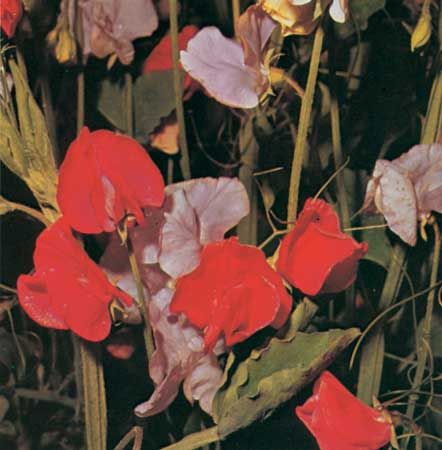
The sweet pea (Lathyrus odoratus) is an annual plant belonging to the Fabaceae family, widely cultivated for its fragrant, colorful flowers.
What is Sweet pea?
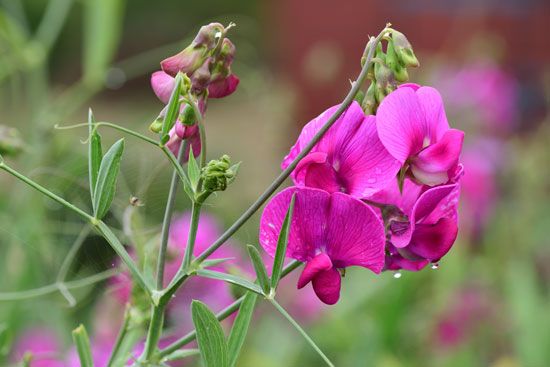
The sweet pea (Lathyrus odoratus) is an annual plant belonging to the Fabaceae family, widely cultivated for its fragrant, colorful flowers.12
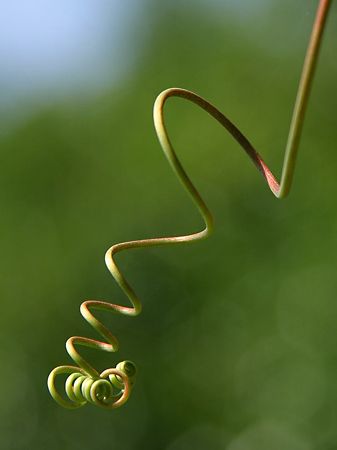
The plant features a vinelike stem that can reach lengths of 1.2 to 1.8 meters, characterized by compound leaves and a terminal tendril used for climbing. Its flowers appear in various shades, including white, pink, red, violet, and purple. While often grown as a garden ornamental or for the commercial floral industry, it is important to note that the seeds produced in its hairy pod are not considered edible. It is sometimes confused with the perennial everlasting pea (Lathyrus latifolius).1
How do sweet peas differ from edible garden peas?
While both the sweet pea (Lathyrus odoratus) and the garden pea (Pisum sativum) belong to the Fabaceae family, they are distinct species with different primary uses.
The most critical difference is edibility: the seeds of the sweet pea are not considered edible, whereas the garden pea is cultivated globally specifically for its edible seeds and, in some varieties like snow peas, its edible pods.13
Key differences include:
- Purpose: Sweet peas are grown primarily as ornamentals for their fragrance and flowers, while garden peas are a staple food crop valued for protein and dietary fiber.13
- Botanical Structure: Garden pea leaves typically feature three pairs of leaflets, whereas sweet pea leaves have two.13
- Fruit: The garden pea produces a larger pod (up to 10 cm) containing 5 to 10 seeds, while the sweet pea pod is smaller (about 5 cm) and hairy.13
What is the difference between annual and perennial plants?
The primary difference between annual and perennial plants lies in their life cycle and longevity.
- Annuals: These plants complete their entire life cycle—from germination to seed production and death—within a single growing season. Because they do not survive from one year to the next, they must be replanted each season if you wish to maintain them in your garden. Common examples include marigolds, zinnias, and many important food crops like wheat and corn.45
- Perennials: These plants persist for several years, regrowing and reblooming season after season. In cold climates, herbaceous perennials often survive the winter by retreating into underground structures such as bulbs, rhizomes, or tubers, while their aboveground growth may die back. This category includes trees, shrubs, and many garden favorites like chrysanthemums and peonies.46
While both terms share a root in the Latin word for “year,” they represent distinct strategies for survival and growth in the plant kingdom.4
Why are sweet pea seeds considered toxic?
While the seeds of the common garden pea (Pisum sativum) are a staple food, the seeds of the sweet pea (Lathyrus odoratus) are not considered edible.1
It is important to distinguish the sweet pea from the grass pea (Lathyrus sativus), a related species within the same genus. The grass pea contains a toxic principle known as beta-aminopropionitrile, which can cause lathyrism—a condition characterized by back pain, leg weakness, and paralysis. While the sweet pea is primarily cultivated as an ornamental for its fragrance and flowers rather than for consumption, the seeds of various Lathyrus species are generally avoided due to the presence of potentially harmful compounds.81
Because of these risks, it is a fundamental safety principle to never consume seeds or plant parts unless they are explicitly identified as safe for human consumption.
Sources
- Sweet pea — Encyclopædia Britannica
- sweet pea — Merriam-Webster
- Pea — Encyclopædia Britannica
- Is That Plant 'Perennial' or 'Annual'? — Merriam-Webster
- Perennial — Encyclopædia Britannica
- Annual — Encyclopædia Britannica
- Climate classification - Empirical classifications — Encyclopædia Britannica
- poison - Plant poisons (phytotoxins) — Encyclopædia Britannica
- lathyrus — Merriam-Webster
Published on · 3 min read