Fatsia
Fatsia (Fatsia japonica) is an evergreen shrub or small tree belonging to the Araliaceae family. Native to Japan, it is widely cultivated as a houseplant due…
What is fatsia?
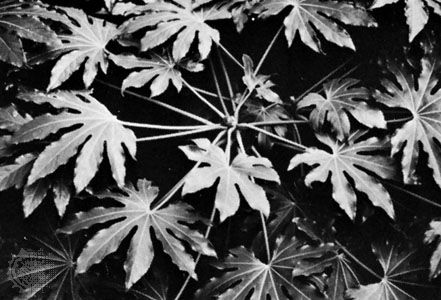
Fatsia (Fatsia japonica) is an evergreen shrub or small tree belonging to the Araliaceae family. Native to Japan, it is widely cultivated as a houseplant due to its striking, glossy, star-shaped leaves, which can reach up to 45 centimeters (1.5 feet) in width and feature 7 to 9 lobes.1
While it can grow up to 5 meters (16 feet) tall in its natural habitat, it is often kept as a compact indoor plant. Under favorable conditions, it may produce clusters of white flowers followed by black fruit. Notably, Fatsia japonica has been hybridized with English ivy to create the unique intergeneric cross known as tree ivy or aralia ivy.1
Please note that while the term “fatsia” is sometimes associated with other plants like the devil’s club or Aralia elata in certain dictionary contexts, the botanical genus Fatsia specifically refers to the species described above.12
What is the Fatshedera lizei hybrid?
× Fatshedera lizei, commonly known as tree ivy or aralia ivy, is a unique intergeneric hybrid created by crossing two distinct genera within the Araliaceae family: Fatsia (specifically Fatsia japonica) and Hedera (specifically English ivy, Hedera helix).13
This hybrid is considered a rare botanical occurrence because it successfully combines traits from two different genera. As an ornamental foliage plant, it is characterized by its glossy, lobed, palmate leaves that reflect the influence of both parent plants. The name itself is a portmanteau derived from its parent genera, Fatsia and Hedera. First documented in 1948, it is valued for its aesthetic appeal and is typically grown for its decorative foliage.13
How do you care for Fatsia indoors?
Caring for Fatsia japonica indoors is relatively straightforward, as the plant is widely appreciated for its ease of maintenance and striking foliage. To keep your plant healthy, consider the following guidelines:
- Light: Provide bright, indirect light. While it can tolerate lower light conditions, it thrives best when given sufficient ambient brightness to maintain its deep green, glossy leaves.
- Environment: Ensure the plant is kept in a space with good air circulation. While it can grow quite large in its natural habitat, compact-growing varieties are available for indoor settings where space is limited.
- Watering: Keep the soil consistently moist but not waterlogged. Like many plants in the Araliaceae family, it benefits from a stable environment.
- Flowering: While primarily grown for its foliage, if provided with optimal indoor conditions, the plant may reward you with clusters of white flowers, which can be followed by small, shiny black fruit.
What are other plants in the Araliaceae family?
The Araliaceae family, commonly known as the ginseng family, comprises approximately 43 genera and 1,450 species of flowering plants. While many members are shrubs or trees, the family also includes various climbers and a few herbs.45
Notable plants within the Araliaceae family include:
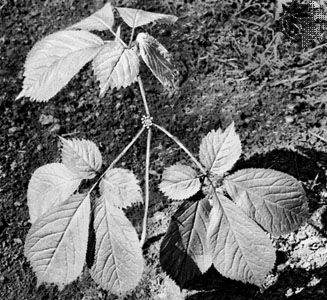
- Ginseng: Panax species, such as Panax ginseng and the North American Panax quinquefolius, are well-known for their medicinal and stimulant properties.45
- Ivies: Species in the genus Hedera are widely cultivated as ornamental plants and houseplants.45
- Schefflera: This is the largest genus in the family, containing about 1,600 species, including popular indoor plants like the umbrella tree (S. actinophylla) and false aralia (S. elegantissima).5
- Rice-paper plant: Tetrapanax papyriferum, which is the source of rice paper.45
- Aralia: Includes species such as wild sarsaparilla (Aralia nudicaulis) and the castor aralia (Acanthopanax ricinifolius).45
- Polyscias: A genus of tropical trees often cultivated for their foliage.5
- Pennywort: Herbaceous plants in the genus Hydrocotyle.5
Sources
- fatsia — Encyclopædia Britannica
- fatsia — Merriam-Webster
- fatshedera — Merriam-Webster
- Araliaceae — Encyclopædia Britannica
- Araliaceae — Merriam-Webster
- Apiales — Encyclopædia Britannica
- Araceae — Encyclopædia Britannica
Published on · 3 min read