Flightless Bird
Flightless birds have evolved to lose the power of flight, often as an adaptation to environments lacking mammalian predators or to support large body sizes.…
What are some examples of well-known flightless birds?
Flightless birds have evolved to lose the power of flight, often as an adaptation to environments lacking mammalian predators or to support large body sizes. While they share a common flying ancestor with other birds, their physical structures—such as the absence of a keel in ratites or the modification of wings into paddles in penguins—have specialized over time.12
Living Examples
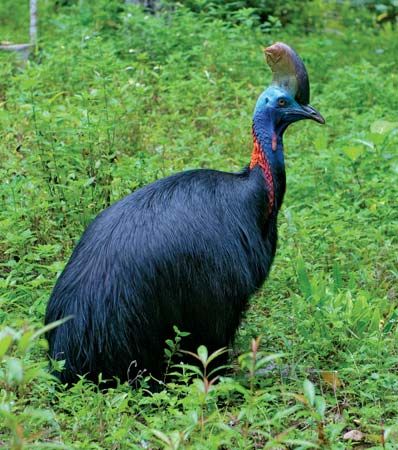
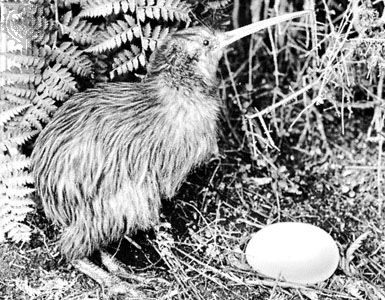
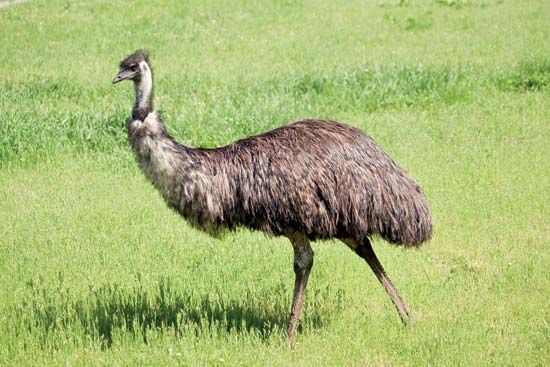
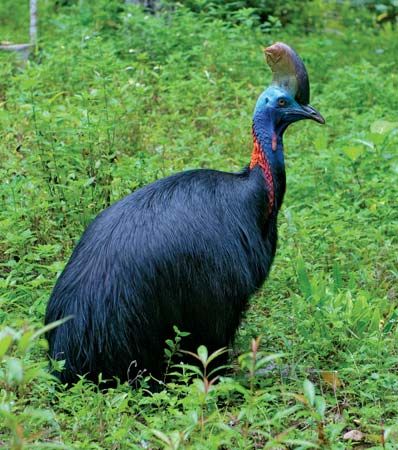
- Ratites: This group includes large, ground-dwelling birds such as the ostrich, rhea, cassowary, kiwi, and emu/kiwi-bird), and emu.3
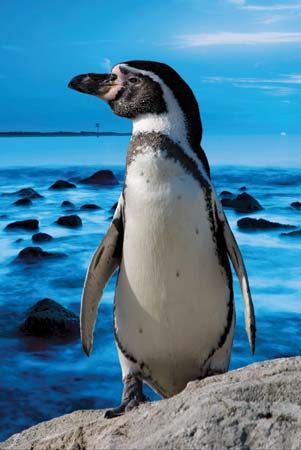
- Penguins: Unlike ratites, penguins have retained a keel, which has evolved to support their aquatic, flightless lifestyle.2
Extinct Examples
- Dodo: A famous flightless bird from Mauritius that went extinct by 1690 due to human hunting and introduced predators.2
- Moas: A group of flightless birds from New Zealand that were hunted to extinction by the Maori people.12
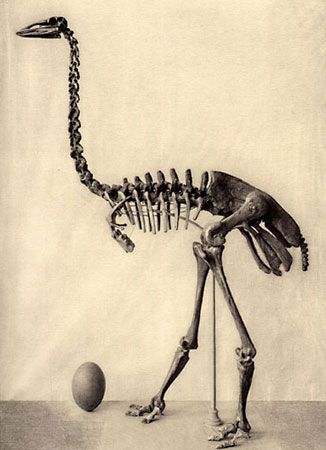
- Elephant birds: Massive birds from Madagascar, including the giant Vorombe titan, which are considered the largest birds to have ever lived.2
- Great auk: A well-known flightless bird of the North Atlantic.1
How did flightless birds evolve, and why did they lose their ability to fly?
It is widely accepted among scientists that all flightless birds are descended from ancestors capable of flight. Their flightless condition is a secondary, specialized adaptation that has evolved independently multiple times across different bird lineages.142
Why Flightlessness Evolved
The loss of flight is primarily linked to the colonization of environments where the energy-intensive adaptation of flight was no longer necessary for survival.2
- Absence of Predators: Many flightless species evolved on isolated islands, such as New Zealand, where there were no native mammalian predators. In these safe environments, birds no longer needed to fly to escape danger, allowing natural selection to favor other traits.12
- Alternative Defenses: On continents where predators were present, some birds evolved large body sizes and the ability to run at high speeds—such as ostriches, rheas, and emus—to survive without the need for flight.132
Physical Adaptations
As these birds transitioned to a ground-based or aquatic existence, their anatomy shifted significantly:
- Skeletal Changes: Flying birds possess a keel—a ridge on the breastbone for flight muscle attachment. Ratites lack this keel, rendering their muscles unsuitable for flight. Conversely, penguins retained the keel, but it evolved to support paddlelike wings for swimming.24
- Body Structure: Without the need to lift their bodies for flight, many flightless birds developed heavier, sturdier skeletons and thick, strong feet adapted for walking or running, rather than the light, hollow bones and grasping toes found in many flying species.2
What are the largest and smallest flightless birds in the world?
The size range among flightless birds is vast, spanning from massive, heavy-bodied runners to tiny, island-dwelling species.
The Largest Flightless Bird
The ostrich (Struthio camelus) holds the title of the largest living bird. An adult male can reach heights of up to 2.75 meters (about 9 feet) and weigh more than 150 kg (330 pounds). Historically, however, the extinct elephant bird of Madagascar, specifically Vorombe titan, was even larger. Standing 3 meters (10 feet) tall and weighing on average 650 kg (1,433 pounds), it is considered the largest bird to have ever lived.67
The Smallest Flightless Bird
The smallest flightless bird in the world is the Inaccessible Island rail (Laterallus rogersi), which is endemic to Inaccessible Island in the Tristan da Cunha group. This diminutive bird measures only 13–15.5 cm (5.1–6.1 inches) in length and weighs approximately 40.5 grams (0.09 pound).38
In what types of habitats are flightless birds commonly found?
Flightless birds are primarily found in environments where the high energy cost of flight is not required for survival, often due to a lack of natural predators.
Common Habitats
- Isolated Islands: Many flightless species, such as the kiwi and various rails, evolved on remote islands like New Zealand. In these isolated regions, the absence of native mammalian predators removed the evolutionary pressure to maintain flight as a primary defense mechanism.51
- Open Terrestrial Landscapes: Large flightless birds, known as ratites—including the ostrich, rhea, and cassowary—inhabit expansive grasslands and scrublands across Africa, South America, and Australia. In these environments, they rely on their massive size and high-speed running ability to evade predators rather than flight.51
- Aquatic Environments: Penguins occupy specialized aquatic habitats. Their flightlessness is a secondary adaptation where their wings have evolved into paddlelike structures, allowing them to thrive in marine environments.51
Sources
- Bird - Flightlessness — Encyclopædia Britannica
- Bird - Modern birds — Encyclopædia Britannica
- Flightless bird — Encyclopædia Britannica
- Bird - Critical appraisal — Encyclopædia Britannica
- Bird: Top Questions — Encyclopædia Britannica
- Ostrich — Encyclopædia Britannica
- Extreme birds: 7 wonders of the avian world — Encyclopædia Britannica
- Rail — Encyclopædia Britannica
- Ratite — Encyclopædia Britannica
- Galliform - Habitat selection and food habits — Encyclopædia Britannica
Published on · 4 min read