Gastrotrich
Gastrotrichs are microscopic aquatic invertebrates that exhibit two primary modes of reproduction. Many species are hermaphroditic, possessing both male and…
How do gastrotrichs reproduce and what is unique about their life cycle?
Gastrotrichs are microscopic aquatic invertebrates that exhibit two primary modes of reproduction. Many species are hermaphroditic, possessing both male and female reproductive organs within a single individual. In contrast, members of the group Chaetonotoidea are exclusively parthenogenetic females, meaning they produce unfertilized eggs that develop into new females.1
A unique aspect of their life cycle involves the production of two distinct types of eggs, particularly in freshwater species:
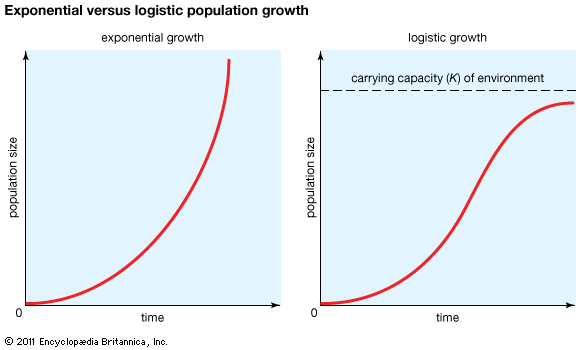
- Tachyblastic eggs: These develop immediately, allowing for rapid population growth under favorable conditions.1
- Opsiblastic eggs: These remain inactive for extended periods and are uniquely adapted to survive harsh environmental stressors, including freezing temperatures and desiccation (drying out).1
In which aquatic environments are gastrotrichs typically found?
Gastrotrichs are versatile microscopic invertebrates found in a wide variety of aquatic environments. They typically inhabit the interstitial spaces between soil particles and sand grains, as well as the surfaces of various aquatic plants and animals.1
These organisms are widely distributed across both salt water and freshwater habitats, and they are also commonly found in the sandy environments of seashores.1
How do gastrotrichs contribute to the aquatic food web?
Gastrotrichs play a functional role in aquatic food webs primarily as consumers of microscopic organic matter. By utilizing a specialized, muscular pharynx, they ingest bacteria, organic debris, and certain protozoans, such as diatoms.1
By feeding on these primary producers and decomposers, gastrotrichs act as a link in the transfer of energy from the microbial loop to higher trophic levels within their respective freshwater and saltwater ecosystems.1
How are gastrotrichs classified within the animal kingdom and what are their closest relatives?
Gastrotrichs are classified within their own independent phylum, Gastrotricha. Historically, they were grouped under the phylum Aschelminthes, but this classification has been abandoned as the similarities between those groups are now understood to be the result of independent evolution in similar habitats rather than close evolutionary relationships.1
Determining the precise evolutionary relatives of gastrotrichs remains a complex challenge in biology, as the fossil record for these microscopic organisms is largely uninformative. However, current scientific analysis suggests potential affinities:5
- Nematodes: Some anatomical evidence indicates a possible relationship between gastrotrichs and nematodes.5
- Tardigrada: The tardigrades (water bears) show special similarities to both the Onychophora and the Gastrotricha, though their exact evolutionary position remains unclear.5
Because the interrelations of these groups have not yet been fully resolved by modern comparative methods, their exact placement within the animal kingdom continues to be a subject of ongoing study.5
Sources
- gastrotrich — Encyclopædia Britannica
- gastropod - Reproduction and life cycles — Encyclopædia Britannica
- gastrotrich — Merriam-Webster
- trichostome — Encyclopædia Britannica
- Animal - Appearance of animals — Encyclopædia Britannica
Published on · 2 min read