Gazelle
Gazelles are primarily found in the arid regions of Africa and Asia. Their distribution across these continents includes:
In which regions of the world are gazelles commonly found?
Gazelles are primarily found in the arid regions of Africa and Asia. Their distribution across these continents includes:1
- Africa: Gazelles inhabit North Africa, ranging from the Sahara deserts to the Sahel. They are also found in northeast Africa, extending from the Horn of Africa down to Tanzania.1
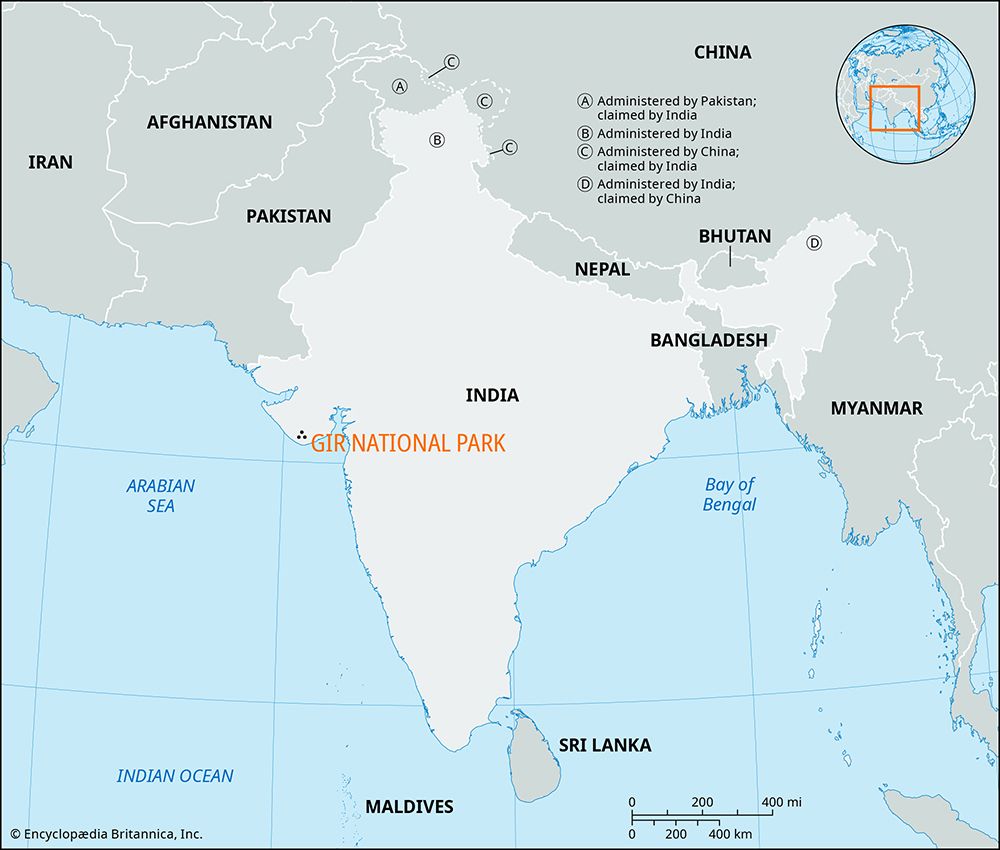
- Asia: Their range spans from the Arabian Peninsula across Asian deserts into China. Additionally, species such as the Indian gazelle are found in the deserts of India and Pakistan.1
These animals are highly adapted to harsh environments, including waterless steppes and deserts, where they can survive by extracting moisture from the plants they browse. Unfortunately, many populations have been significantly reduced due to hunting, habitat degradation, and competition with livestock.1
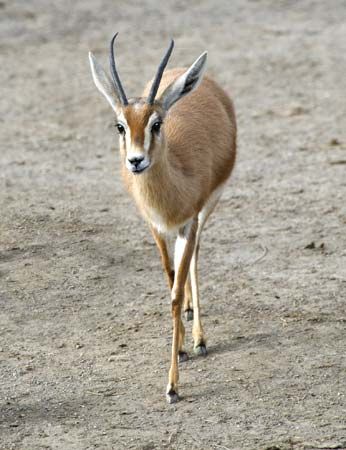
What are the different species of gazelles, and how do they differ from each other?
Gazelles are fleet, medium-sized antelopes traditionally grouped within the genus Gazella. Modern taxonomic research, however, has reclassified many species into three distinct genera based on genetic relationships:1
Genera and Species
- Genus Nanger: Includes the largest species, such as the dama gazelle, Grant’s gazelle, and Soemmering’s gazelle.1
- Genus Eudorcas: Comprises smaller species, including Thomson’s gazelle, the red-fronted gazelle, and the Mongalla gazelle.1
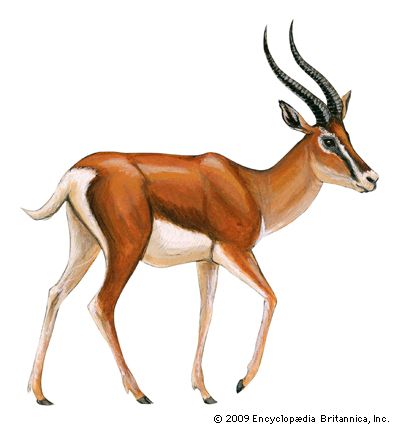
- Genus Gazella: Contains ten species, including the dorcas gazelle and the Indian gazelle (chinkara).1
Key Differences
Species vary significantly in size, physical traits, and habitat adaptation:
- Size: The dama gazelle is the largest, weighing up to 75 kg, while others are notably smaller.1
- Physical Features: Grant’s gazelle is distinguished by having the largest horns, reaching up to 80 cm. The red-fronted gazelle is identified by its rufous color and a reddish border along its flank stripe.1
- Adaptation: The rhim (slender-horned) gazelle is the most desert-adapted African species, living in the sand dunes of the Sahara.1
- Geography: While many species are exclusively African or Asian, the dorcas gazelle is found in both regions.1
Additionally, the tribe Antilopini includes the genus Procapra, such as the Mongolian gazelle, which is one of the most numerous hoofed mammals.1
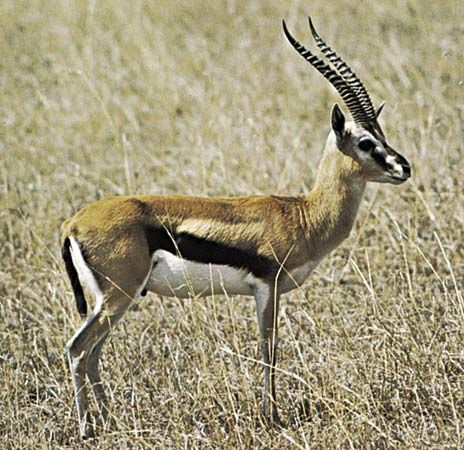
How do gazelles communicate with each other?
Gazelles communicate through a combination of visual, chemical, and behavioral signals that have evolved to facilitate social interaction and survival.
Visual Communication
Gazelles utilize ritualized body postures to convey information. A primary example is the predator alert signal observed in Thomson’s gazelles. When a gazelle detects a suspicious sound, it stops foraging, raises its head high, and stares in the direction of the threat with ears pointed forward. This “freeze” posture is made more conspicuous by the animal’s distinct black-and-white facial and body markings, signaling nearby individuals to gaze in the same direction and prepare to flee.1
Chemical and Territorial Signaling
Gazelles are equipped with various scent glands located between the hooves, in the groin (inguinal glands), on the forelegs, and ahead of the eyes (preorbital glands). In some species, males use the preorbital glands to daub a sticky black secretion onto twigs and grass stems to mark their territory. However, the primary method for demarcating territory across the gazelle tribe involves a highly ritualized performance where males deposit urine and feces on specific dung middens.2
How do gazelles adapt to their environment for survival?
Gazelles have evolved remarkable physiological and behavioral adaptations to survive in arid environments, including waterless steppes and deserts.
Water and Temperature Regulation
- Hydration: Gazelles can extract necessary moisture directly from the plants they browse, eliminating the need to drink water. To conserve fluids, they produce highly concentrated urine and extract moisture from their fecal pellets before excretion.1
- Thermoregulation: Their light-coloured coats are reflective, helping to minimize heat absorption. They can tolerate an increase in core body temperature of up to 5 °C (9 °F). During extreme heat, they avoid activity by feeding at night or in the early morning when plants contain the most moisture. If necessary, they can cool themselves through rapid nasal panting.1
Feeding and Survival Strategies
- Selective Feeding: Gazelles possess narrow jaws and specialized incisor rows, allowing them to be highly selective feeders that target the most nutritious plant growth.1
- Behavioral Adaptations: To manage resources and avoid predators, they are often nomadic or migratory. They are also gregarious, living in social groups that help them navigate their challenging environments.1
Sources
- gazelle — Encyclopædia Britannica
- Animal communication - Evolution of signals — Encyclopædia Britannica
Published on · 4 min read