Giant Mountains
The Giant Mountains, a major segment of the Sudeten range, offer a variety of recreational opportunities that support a thriving year-round tourist industry.
What are some popular recreational activities and tourist attractions in the Giant Mountains?
The Giant Mountains, a major segment of the Sudeten range, offer a variety of recreational opportunities that support a thriving year-round tourist industry.
Recreational Activities
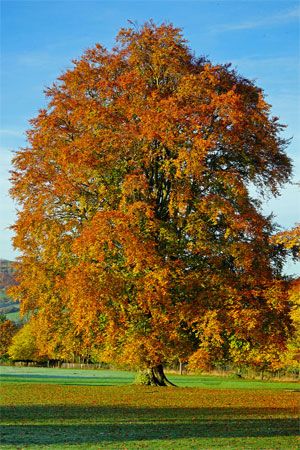
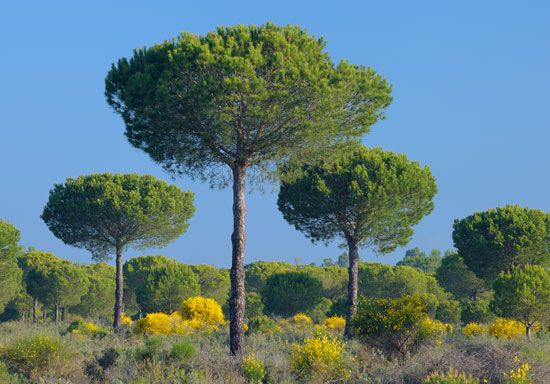
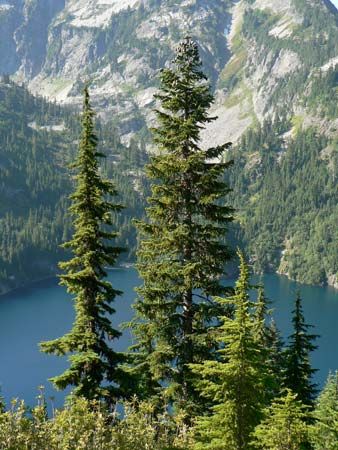
The region is well-known for its extensive network of hiking trails that wind through vast beech, pine, and fir forests. During the winter months, the mountains are a popular destination for winter sports, featuring numerous ski slopes that attract visitors from across the region.1
Tourist Centers
Tourism is concentrated in several key towns that serve as gateways to the mountains:
- Czech Republic: Popular centers include Vrchlabí, Jilemnice, Trutnov, Špindlerův Mlýn, and Janské Lázně.1
- Poland: Key tourist hubs include Szklarska Poręba and Karpacz.1
Additionally, the area is home to protected nature preserves in both the Czech Republic and Poland, which help maintain the region’s scenic beauty for visitors.1
What is the highest peak in the Giant Mountains and how tall is it?
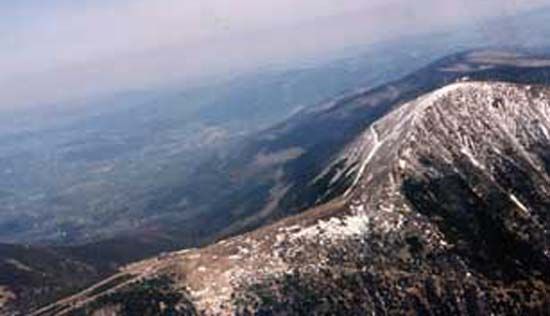
The highest peak in the Giant Mountains is Mount Sněžka. It reaches an elevation of 5,256 feet (1,602 meters). This peak also serves as the highest point in both the mountains and Bohemia.213
Where are the Giant Mountains located, and which countries do they span?
The Giant Mountains (also known as the Krkonoše) are a major segment of the Sudeten mountain system. They are located in northeastern Bohemia and span the western frontier between the Czech Republic and Poland.41
What types of plants and animals can be found in the Giant Mountains?
The Giant Mountains feature diverse plant and animal life shaped by their varying elevations and protected status.
Plant Life
The vegetation in the region is organized into distinct zones based on altitude:
- Forests: The lower slopes are characterized by extensive beech, pine, and fir forests.8
- Timberline: As elevation increases, the tree cover transitions, and near the timberline, the vegetation consists largely of dwarf pine.9
- Alpine Zone: Above the tree line, the landscape supports Alpine vegetation, which includes grasses and low-growing bushes.9
Animal Life
The region is home to a variety of wildlife, with specific efforts made to protect rare and endangered species:
- Species: The area supports various mammals and birds. Notably, the Krkonoše National Park protects glacial landscapes and Alpine vegetation, as well as relict boreal-Arctic species such as the Alpine shrew (Sorex alpinus).9
- Conservation: Despite the development of the region for tourism and skiing, the Czech government and Polish authorities maintain parts of the area as nature preserves to safeguard the natural heritage.98
Sources
- Giant Mountains — Encyclopædia Britannica
- Czech Republic - Relief — Encyclopædia Britannica
- Khan Tängiri Peak — Encyclopædia Britannica
- Sudeten — Encyclopædia Britannica
- North America - The Cordilleras — Encyclopædia Britannica
- list of mountain ranges - Europe — Encyclopædia Britannica
- Beskid Mountains — Encyclopædia Britannica
- Czech Republic - Plant and animal life — Encyclopædia Britannica
- Alps - Plant and animal life — Encyclopædia Britannica
- Mountain ecosystem - Flora — Encyclopædia Britannica
Published on · 2 min read