Glacier Bay
Glacier Bay is a scenic, 65-mile-long fjord located on the coast of southeastern Alaska, approximately 100 miles northwest of Juneau approximately 100 miles…
What is Glacier Bay and where is it located in Alaska?
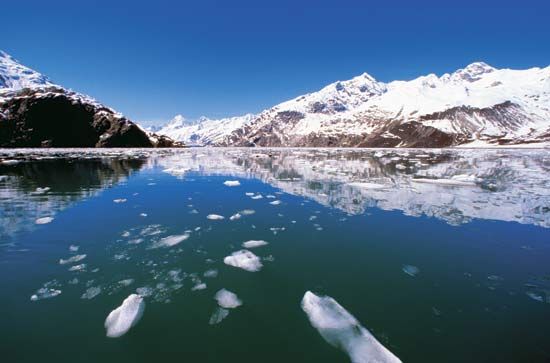
Glacier Bay is a scenic, 65-mile-long fjord located on the coast of southeastern Alaska, approximately 100 miles northwest of Juneau approximately 100 miles northwest of Juneau. It serves as the centerpiece of Glacier Bay National Park and Preserve, a protected area spanning over 5,000 square miles that includes the Fairweather Range and the U.S. portion of the Alsek River.12
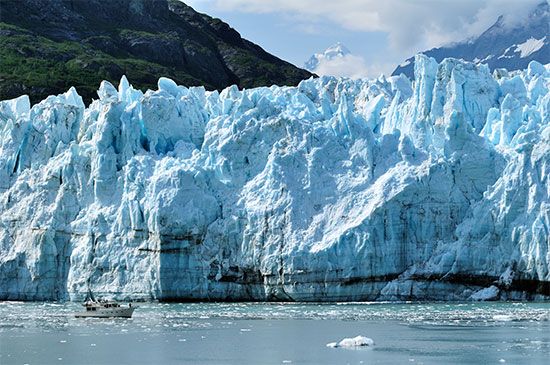
The bay is renowned for its dramatic glaciers, many of which have retreated significantly over the last two centuries. Today, the area features numerous glaciers, including 11 active tidewater glaciers that frequently calve large blocks of ice into the water. The region supports a diverse ecosystem, ranging from coastal rainforests to alpine tundra, and provides a critical habitat for wildlife such as humpback whales, brown bears, and mountain goats.21
What types of wildlife can be found in Glacier Bay National Park?
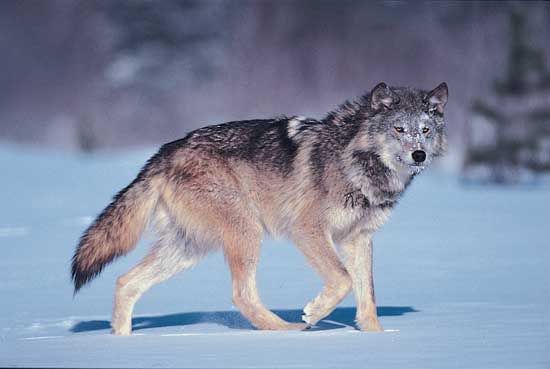
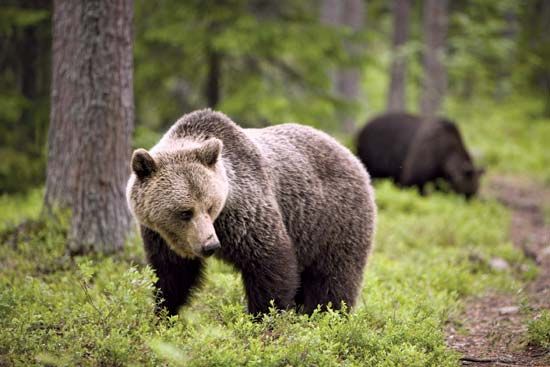
Glacier Bay National Park and Preserve supports a diverse array of wildlife across its varied ecosystems, which range from coastal rainforests to alpine tundra. The park is home to several large mammals, including wolves, brown bears, black bears, mountain goats, deer, and moose.1
The park’s marine and coastal environments are particularly significant for protected species. Notable wildlife includes:
- Marine Mammals: Endangered humpback whales, seals, and threatened Steller sea lions.1
- Birds: Eagles, trumpeter swans, threatened spectacled eiders, and formerly endangered American peregrine falcons.1
- Seabirds: The bay’s treeless islands serve as vital rookeries for thousands of seabirds.2
What are some popular activities for visitors to Glacier Bay National Park?
Visitors to Glacier Bay National Park and Preserve primarily engage with the landscape through water-based excursions. Because the park is defined by its dramatic fjord and active tidewater glaciers, the most popular activity is viewing these natural wonders from cruise ships or smaller vessels.12
These boat trips allow visitors to witness the impressive process of calving, where massive blocks of ice break away from glacier faces and crash into the water. While observing these glaciers, visitors often take advantage of the park’s unique environment for wildlife viewing, as the area is a habitat for humpback whales, seals, and various seabirds that nest on the bay’s many islands.12
Beyond water-based sightseeing, the park offers opportunities to explore diverse ecosystems ranging from lush coastal rainforests to alpine tundra, providing a backdrop for observing land-based wildlife such as brown bears, mountain goats, and moose.1
What are some of the most notable glaciers in Glacier Bay, and how fast are they retreating?
Glacier Bay is home to numerous glaciers, including 11 active tidewater glaciers that calve directly into the bay. Among the most notable is the Johns Hopkins Glacier, which is currently the largest tidewater glacier in the region and is so active that vessels must maintain a distance of at least two miles due to the massive ice blocks falling from its cliffs. Another historically significant glacier is the Muir Glacier; once a famous tidewater glacier rising 265 feet above the water, it has receded significantly and no longer reaches the sea.13
The retreat of these glaciers is often driven by a specific mechanism involving water depth rather than simple climatic variation. When a glacier retreats into deeper water, the increased depth accelerates iceberg calving, leading to a rapid, irreversible retreat that can occur over just a few decades. Conversely, glaciers can advance slowly over centuries by depositing sediment to form a moraine shoal, which reduces water depth and inhibits calving. Because of these complex physical dynamics, the retreat of tidewater glaciers in the bay is not a direct indicator of climate change.4
Sources
- Glacier Bay National Park and Preserve — Encyclopædia Britannica
- Glacier Bay — Encyclopædia Britannica
- glacier - Tidewater glaciers — Encyclopædia Britannica
- glacier - Response of glaciers to climatic change — Encyclopædia Britannica
Published on · 3 min read