Hammerhead Shark
Hammerhead sharks exhibit a significant range in size, reflecting the diversity within the family Sphyrnidae. On the smaller end of the spectrum, the…
How does the size of hammerhead sharks compare to other shark species?
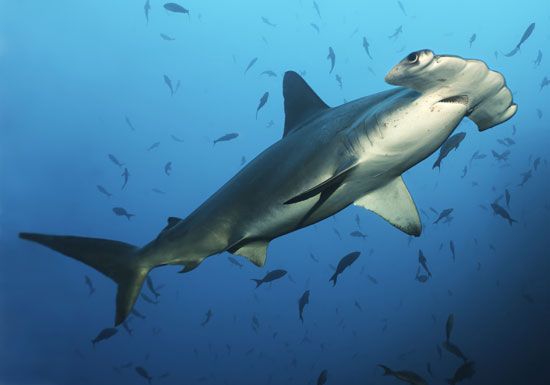
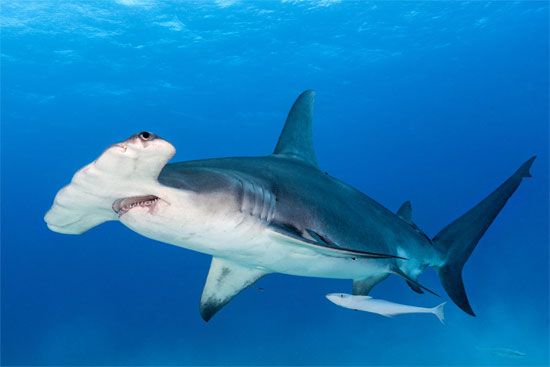
Hammerhead sharks exhibit a significant range in size, reflecting the diversity within the family Sphyrnidae. On the smaller end of the spectrum, the scalloped bonnethead measures approximately 90 cm (35 inches) in length. In contrast, the great hammerhead is much larger, capable of growing to lengths exceeding 6.1 metres (20 feet).1
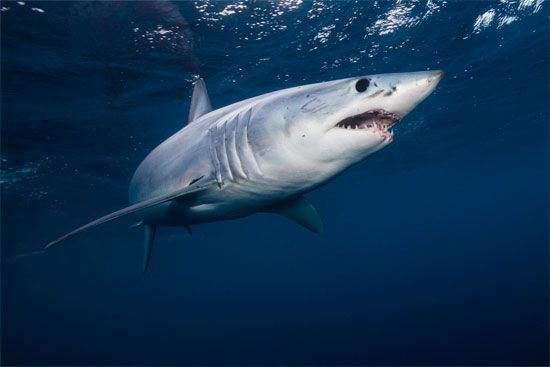
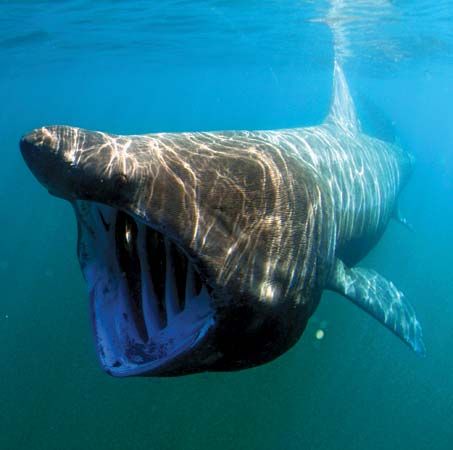
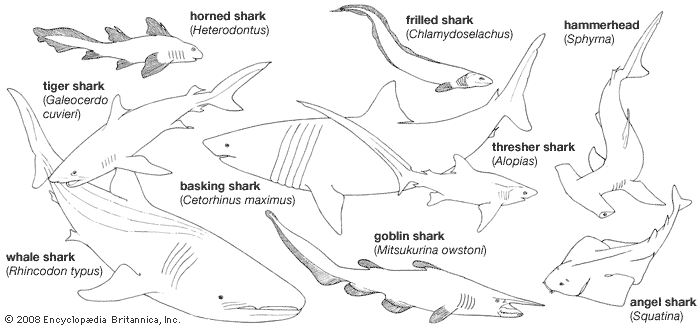
When compared to other shark species, hammerheads occupy a middle-to-large ground. They are smaller than the ocean’s “harmless giants,” such as the whale shark, which can reach 18 metres (59 feet), and the basking shark, which grows up to 14 metres (46 feet). However, the great hammerhead is comparable in length to the white shark, a voracious predator that typically reaches about 6 metres (20 feet). While many shark species are relatively small, the hammerhead family’s size variation allows different species to occupy distinct ecological niches, from small bottom-dwellers to large, active hunters.21
How do hammerhead sharks reproduce, and what threats do they face in the wild?
Hammerhead sharks are viviparous, meaning they retain fertilized eggs within their bodies and give birth to live young. Depending on the species, a female may produce anywhere from 2 to 42 offspring. Birth typically occurs during the spring and summer in shallow, protected coastal waters, which serve as nurseries where the young remain until they are large enough to safely inhabit deeper offshore waters.1
Despite their role as apex predators, hammerhead sharks face severe threats, primarily driven by human activity. Key challenges include:4
- Commercial Fishing and Bycatch: Many sharks are accidentally captured in nets or on longline hooks intended for other fish. This bycatch is a leading factor in the dramatic population crashes observed in several hammerhead species.4
- Shark Finning: While awareness campaigns have reduced the demand for shark fin soup, the practice of harvesting fins—often while the shark is still alive—continues to contribute to the decline of global populations.4
- Targeted Harvesting: Hammerheads are often targeted for their meat, liver oil, and other products. Additionally, large specimens may contain high levels of mercury and other pollutants, posing risks to both the sharks and human consumers.1
Conservation efforts, such as the establishment of marine protected areas and international trade regulations like the CITES agreement, are essential to ensuring their long-term survival.4
What do hammerhead sharks typically eat, and how do they hunt their prey?
Hammerhead sharks are versatile predators that consume a wide variety of fish, cephalopods, and crustaceans. Their specific diet depends on the species: smaller bonnetheads use flattened teeth to crush crabs and shrimp, while larger species, such as the great hammerhead, use bladelike teeth to hunt squid, smaller sharks, and stingrays. Notably, one bonnethead species is omnivorous, as it also consumes seagrass.1
Their hunting success is driven by the unique, flattened head known as a cephalofoil, which provides several advantages:
- Maneuverability: The head acts as a hydrodynamic bow plane, allowing for sharp, quick turns to snap up prey.1
- Sensory Precision: The expanded head houses more electroreceptive organs, enabling them to detect the electrical impulses of prey hidden in sediment. Additionally, their widely spaced nostrils and eyes provide a keener sense of smell and a wider field of view.1
- Physical Tactics: Larger species have been observed using the wide margins of their heads to ram and pin bottom-dwelling prey to the substrate before biting.1
How many species of hammerhead sharks exist, and where are they typically found?
There are 10 recognized species of hammerhead sharks belonging to two genera: Sphyrna, which includes nine species, and Eusphyrna, which contains one species.
These sharks are widely distributed throughout tropical and temperate marine waters. They are typically found near coasts and above continental shelves, often frequenting shallow coastal waters, brackish bays, and estuaries. Some species also venture into offshore waters to feed at night or dive to significant depths.
Their distribution is influenced by seasonal migrations, as they tend to move toward the equator during the winter and toward the poles during the summer. Environmental factors, such as warm El Niño conditions, can cause these sharks to expand their range by hundreds of kilometers beyond their typical habitats.
Sources
- hammerhead shark — Encyclopædia Britannica
- shark — Encyclopædia Britannica
- shark - Description and habits — Encyclopædia Britannica
- Saving Sharks in the 2020s — Encyclopædia Britannica
- shark - Shark behaviour — Encyclopædia Britannica
Published on · 3 min read