Heidelberg Jaw
Technological advancements have significantly enhanced our ability to analyze ancient fossils like the Heidelberg jaw. While the jaw was discovered in 1907…
How has technology advanced our ability to study and analyze fossils like the Heidelberg jaw since its discovery?
Technological advancements have significantly enhanced our ability to analyze ancient fossils like the Heidelberg jaw. While the jaw was discovered in 1907, modern geochronology and analytical chemistry have revolutionized how we study such specimens.
Key technological developments include:
- High-Sensitivity Mass Spectrometry: Techniques like isotope dilution allow researchers to analyze incredibly small amounts of material with minimal contamination, providing precise data on the age and composition of fossils.1
- Non-Destructive Analysis: The sensitive high-resolution ion microprobe (SHRIMP) and laser ablation techniques enable scientists to analyze mineral grains in place without the need for chemical dissolution, preserving the integrity of the fossil.1
- Accelerator Mass Spectrometry: This instrument has transformed radiocarbon dating by counting individual atoms rather than decay particles, allowing for much smaller sample sizes and greater precision.1
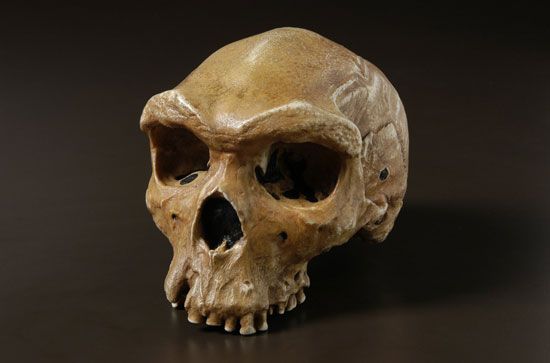
These tools have helped anthropologists better classify the Heidelberg jaw as H. heidelbergensis, distinguishing it from H. erectus by identifying traits shared with Neanderthals and modern humans.2
Are there any controversies or debates surrounding the interpretation of the Heidelberg jaw?
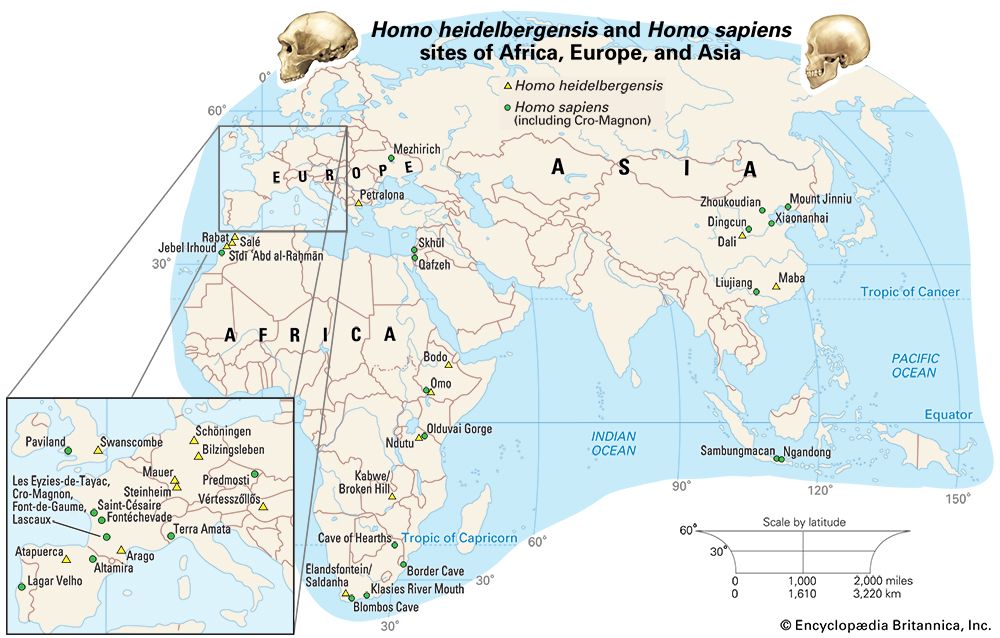
The interpretation of the Heidelberg jaw has been a subject of significant debate, primarily centered on its taxonomic classification. Because the fossil was long an isolated discovery, it proved difficult to categorize, leading to shifting scientific consensus over the decades.1
Initially, the jaw was assigned to its own species, H. heidelbergensis. However, this classification later fell out of favor, and many researchers reclassified the specimen as a European example of H. erectus.1
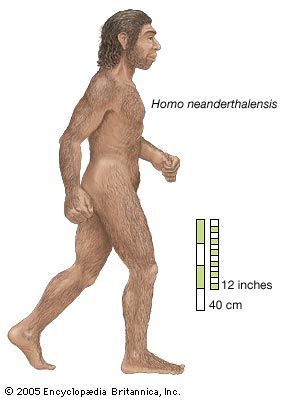
In more recent years, the debate has evolved as new discoveries provided a broader context. Many anthropologists now categorize the jaw as H. heidelbergensis, defining the species by traits shared with both Neanderthals and modern humans (H. sapiens) that are absent in H. erectus. This classification helps distinguish the unique evolutionary paths of these groups, though the broader question of how to define species boundaries—especially given evidence of interbreeding between ancient human groups—remains a complex and ongoing topic in paleoanthropology.145
How old is the Heidelberg jaw fossil, and to which species of human ancestor does it belong?
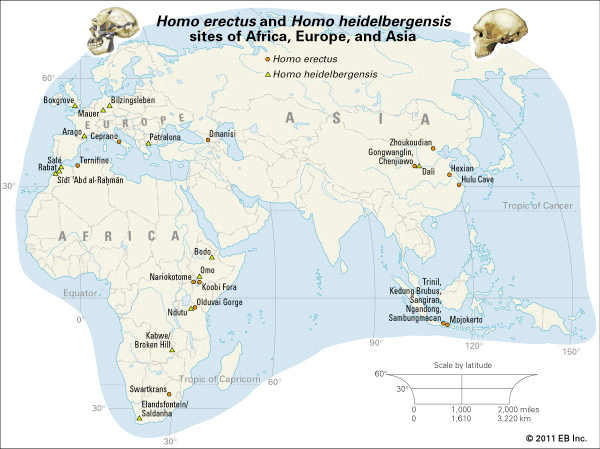
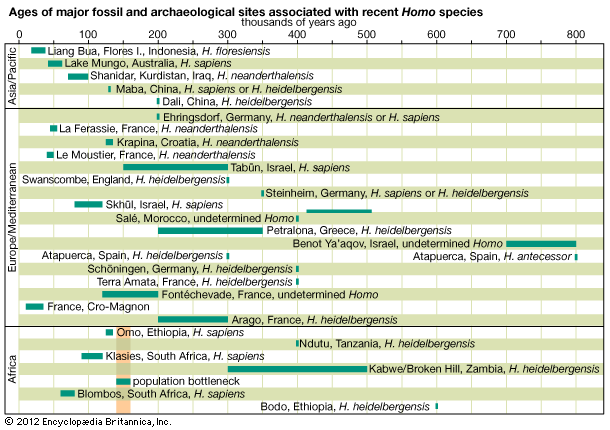
The Heidelberg jaw, also known as the Mauer jaw, is estimated to be approximately 500,000 years old, dating to an interglacial period of the middle Pleistocene Epoch.14
Regarding its classification, the fossil is currently categorized by many anthropologists as Homo heidelbergensis. While the specimen was historically difficult to classify—at times being assigned to H. erectus or considered a form of archaic H. sapiens—modern consensus often places it within H. heidelbergensis. This species is defined by traits shared with both Neanderthals and modern humans that are absent in H. erectus. Many researchers now view H. heidelbergensis as a common ancestor to both Neanderthals and modern humans.14
What other fossils or artifacts were found in the same location as the Heidelberg jaw?
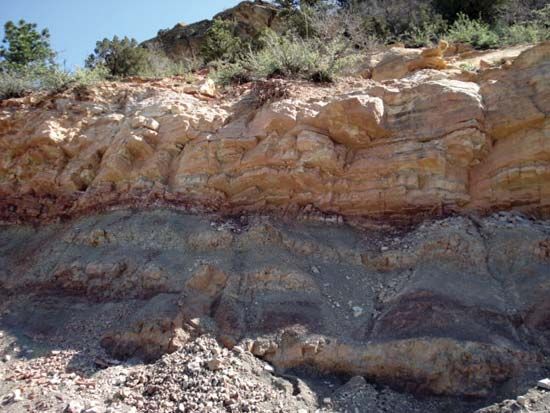
The Heidelberg jaw, discovered in 1907 in the Mauer Sands near Heidelberg, Germany, was found in association with various faunal remains that provide insight into the environment of the middle Pleistocene Epoch.
The fossil remains recovered from the same Mauer deposit include:
These animal remains indicate that the area experienced a relatively moderate, warm climate during the time the sediments were deposited. Notably, while the site is significant for this human fossil, no associated cranium or stone tools were found in the same location as the mandible, which has contributed to the ongoing challenges in classifying the specimen.17
Sources
- Heidelberg jaw — Encyclopædia Britannica
- dating - Technical advances — Encyclopædia Britannica
- human evolution - Refinements in hand structure — Encyclopædia Britannica
- Homo heidelbergensis — Encyclopædia Britannica
- Neanderthal - Neanderthal classification — Encyclopædia Britannica
- Mauer — Encyclopædia Britannica
- Homo erectus - European fossils — Encyclopædia Britannica
Published on · 3 min read