Caiman
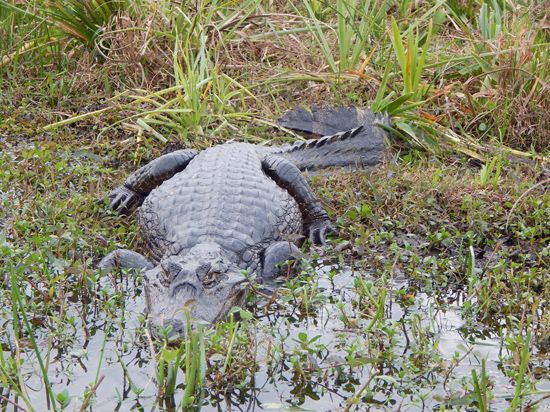
Caimans are reptiles native to the tropical regions of Central America and South America. They are primarily found inhabiting rivers, swamps, and various…
In which regions of the world are caimans primarily found?
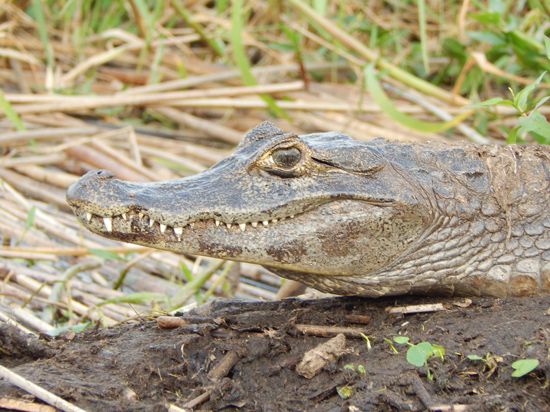
Caimans are reptiles native to the tropical regions of Central America and South America. They are primarily found inhabiting rivers, swamps, and various other wetlands throughout these areas.12
The spectacled caiman, which possesses the largest geographic range of all living caiman species, is found from southern Mexico down through the Amazon basin to Peru, Ecuador, and northern Brazil. Additionally, while not native to these locations, some caiman populations have been introduced to areas such as Florida, Puerto Rico, and Cuba, where they are considered an invasive species.12
How many species of caimans exist, and which is the largest?
There are six recognized species of caimans, which are categorized into three distinct genera within the family Alligatoridae:
- Genus Caiman: Includes the broad-snouted caiman, the spectacled caiman, and the yacaré caiman.1
- Genus Melanosuchus: Includes the black caiman.1
- Genus Paleosuchus: Includes two species known as smooth-fronted caimans (P. trigonatus and P. palpebrosus).1
The largest of these is the black caiman, which is the largest member of the alligator family and the primary predator in the Amazon River basin. While most adults measure between 4 and 5 meters (13 to 16 feet) in length, some individuals have been recorded at even greater sizes, including a specimen captured in 2022 that measured 5.7 meters (18.7 feet) long.3
How do caimans reproduce and care for their young?
Caimans reproduce by laying hard-shelled eggs in nests constructed from plant debris, soil, and other vegetation. While mating systems can vary—such as the promiscuous system of the spectacled caiman or the polygynous systems of the black caiman and Cuvier’s dwarf caiman—the female generally takes the lead in nest construction and protection.1234
Parental care is a significant aspect of the caiman life cycle:
- Incubation and Hatching: Females guard their nests throughout the incubation period, which can last from two months up to five months depending on the species. When the eggs are ready to hatch, the mother assists her young by breaking open the nest.234
- Protection: Parental care is often collective. For instance, several female spectacled caimans may gather their young into groups known as crèches for mutual protection. Similarly, black caiman broods may join together for safety.23
- Independence: While mothers may occasionally provide food, juveniles typically hunt for themselves. The duration of maternal care varies; for example, spectacled caimans may care for their young for 12–18 months, whereas Cuvier’s dwarf caimans may protect their brood for only a few weeks before the young become independent.24
What are the main characteristics that distinguish caimans from other crocodilians?
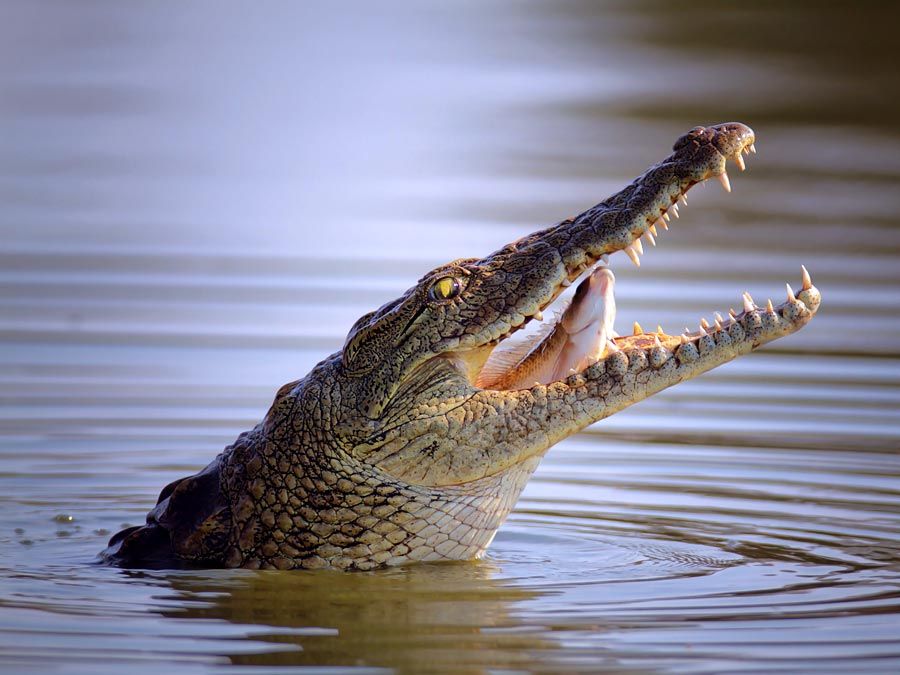
Caimans are members of the family Alligatoridae, which places them in the same broader group as alligators. While they share the general characteristics of the order Crocodylia—such as being amphibious carnivores with powerful tails—they are distinguished from other crocodilians, particularly true crocodiles, by specific anatomical features.
Distinguishing Features
- Jaw and Teeth: Like alligators, caimans possess a broad snout and an “overbite,” meaning the teeth of the lower jaw fit within the upper jaw when the mouth is closed. In contrast, true crocodiles typically have a narrower, V-shaped snout, and the large fourth tooth of the lower jaw remains visible outside the upper jaw when the mouth is shut.1
- Bony Structures: Some caiman species are identified by unique cranial features. For example, the spectacled caiman is named for a bony ridge between its eyes that resembles the nosepiece of eyeglasses. Conversely, smooth-fronted caimans are distinguished by the absence of such ridges.25
- Size: Caimans are generally smaller than many other crocodilians. While the black caiman can reach significant sizes, most other species are relatively small, with some, like the smooth-fronted caiman, reaching only about 1.7 meters (6 feet) as adults, compared to the 7-meter lengths attained by some Nile or saltwater crocodiles.26
Sources
- caiman — Encyclopædia Britannica
- spectacled caiman — Encyclopædia Britannica
- black caiman — Encyclopædia Britannica
- Cuvier’s dwarf caiman — Encyclopædia Britannica
- alligator — Encyclopædia Britannica
- crocodile - Size range and diversity of structure — Encyclopædia Britannica
Published on · 3 min read