How Deadly Is the Pong Pong Tree from The White Lotus?
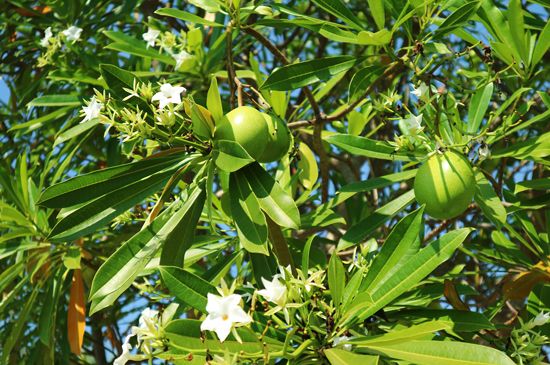
The pong pong tree (Cerbera odollam), featured in The White Lotus, is indeed highly lethal. Found in India and Southeast Asia, this plant contains a potent…
How Deadly Is the Pong Pong Tree from The White Lotus?
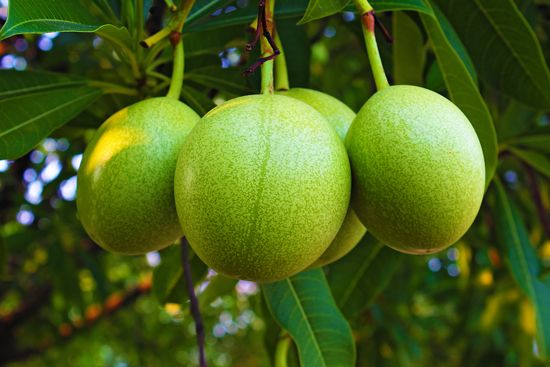
The pong pong tree (Cerbera odollam), featured in The White Lotus, is indeed highly lethal. Found in India and Southeast Asia, this plant contains a potent cardiac glycoside called cerberin.1
A single seed from the tree’s fruit is typically sufficient to kill an adult human. Upon ingestion, the toxin triggers nausea, vomiting, and diarrhea, followed by bradycardia and heart palpitations. Symptoms can manifest within 20 minutes, and death may occur within one to six hours. While survival is possible with immediate medical intervention—sometimes involving atropine—the plant remains responsible for numerous deaths annually.1
It is important to recognize that the use of such substances to cause harm is a grave violation of the sanctity of life and fundamental ethical principles.
How do cardiac glycosides affect the human heart?
Cardiac glycosides function as inotropic agents, meaning they influence the force of cardiac muscle contraction. By inhibiting a membrane enzyme that extrudes sodium ions from cells, these substances increase intracellular calcium levels, which enhances the heart’s pumping force.2
However, these compounds carry significant risks due to a narrow margin of safety between therapeutic and toxic doses. Their effects on the heart include:2
- Conduction Block: They can impede electrical impulses traveling from the atria to the ventricles, leading to heart block.2
- Arrhythmia: They may trigger abnormal rhythms by causing electrical impulses to originate outside the heart’s natural pacemaker region. This can result in ectopic heartbeats or, in severe cases, ventricular fibrillation, which stops the heart’s pumping action and can be fatal.2
- Systemic Toxicity: Beyond cardiac effects, they often cause nausea and loss of appetite.2
Because these drugs can accumulate in the body, careful medical monitoring is essential to prevent adverse outcomes.2
What are some other examples of highly poisonous plants?
Many plants contain potent toxins that can be lethal to humans and animals. While the pong pong tree is notorious for its cardiac effects, several other plants are equally dangerous due to their chemical composition.
Highly Toxic Plants
- Water Hemlock: Often cited as the most violently toxic plant in North America, it contains cicutoxin. Ingestion leads to rapid, painful convulsions and potential death.3
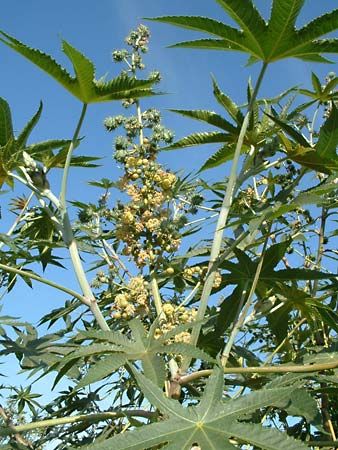
- Castor Bean: These seeds contain ricin, a protein that inhibits cellular protein synthesis. A very small number of seeds can be fatal to an adult.3
- Rosary Pea: These seeds contain abrin, an extremely deadly ribosome-inhibiting protein. Even a single broken or chewed seed can be lethal.3
- Deadly Nightshade: Containing atropine and scopolamine, this plant causes paralysis of involuntary muscles, including the heart.3
- White Snakeroot: This plant contains trematol. It is particularly dangerous because the toxin can be passed to humans through the milk or meat of livestock that have grazed on the plant.3
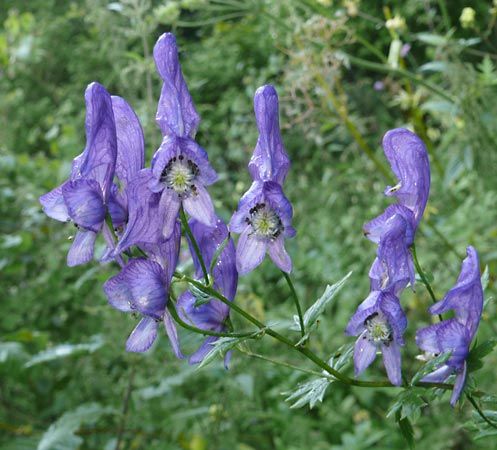
- Aconite: Also known as monkshood, this plant contains a complex of alkaloids that cause respiratory distress and cardiac issues, making it an extremely poisonous species.4
It is essential to treat all unknown plants with extreme caution, as many contain toxins that can cause severe harm or death.
Why is belladonna used as an antidote for cerberin poisoning?
Belladonna is used as an antidote for cerberin poisoning primarily because it is the natural source of atropine, a potent alkaloid that acts as a cardiac stimulant.156
Cerberin, the toxic cardiac glycoside found in the seeds of the pong pong tree, causes severe bradycardia—a dangerously slow heart rate—as part of its lethal effect on the heart. Atropine functions as an antidote by inhibiting the vagus nerve, which effectively increases the heart rate and helps counteract the life-threatening slowing caused by the cerberin toxin.15
While belladonna itself is highly poisonous, the controlled medical administration of its extracted atropine allows physicians to manage the cardiac symptoms of cerberin ingestion.156
Sources
- How Deadly Is the Pong Pong Tree from The White Lotus? — Encyclopædia Britannica
- cardiovascular drug - Contractions — Encyclopædia Britannica
- 7 of the World’s Deadliest Plants — Encyclopædia Britannica
- poison - Plant poisons (phytotoxins) — Encyclopædia Britannica
- atropine — Encyclopædia Britannica
- belladonna — Encyclopædia Britannica
Published on · 3 min read