White Snakeroot
White snakeroot (Ageratina altissima) is a poisonous North American perennial herb belonging to the Asteraceae family. Growing up to 1.5 meters tall, the…
What is White snakeroot?
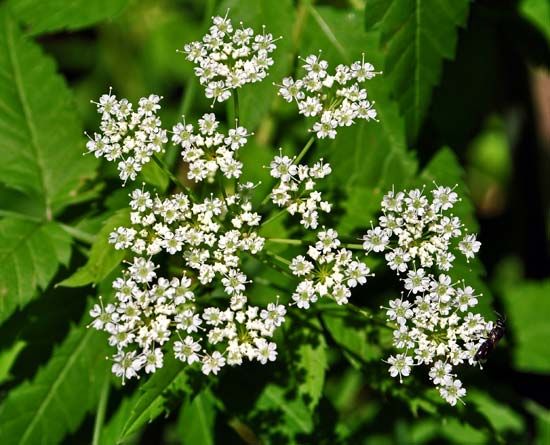
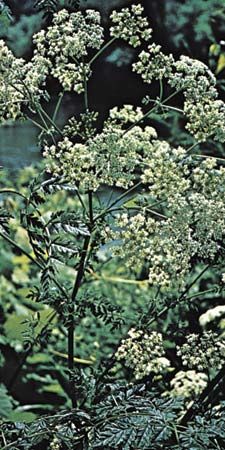
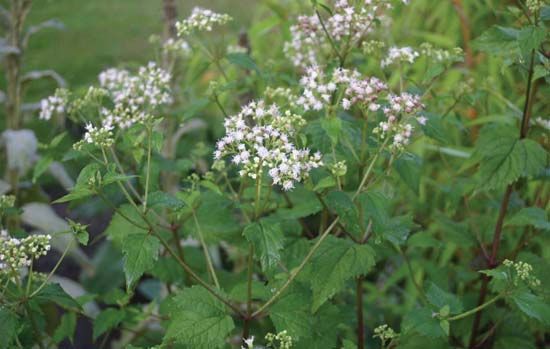
White snakeroot (Ageratina altissima) is a poisonous North American perennial herb belonging to the Asteraceae family. Growing up to 1.5 meters tall, the plant features opposite leaves and small white flowers arranged in flat-topped clusters.1
The plant contains a toxic alcohol known as tremetol. When cattle consume the plant, they develop a condition called the “trembles,” characterized by weakness and muscular tremors. Humans can contract milk sickness by consuming the milk of these poisoned animals. This condition, which caused thousands of deaths among 19th-century American settlers, manifests as nausea, weakness, and abdominal discomfort, and can lead to convulsions, coma, and death/convulsion), coma, and death. The illness is linked to abnormal blood acidity and the accumulation of ketone bodies, similar to metabolic issues seen in diabetes mellitus.12
What is the history of milk sickness in the American Midwest?
During the early 19th century, milk sickness was a significant public health crisis in the American Midwest, resulting in the deaths of thousands of settlers. The illness was caused by the consumption of dairy products or meat from cattle that had grazed on white snakeroot, a poisonous plant containing the toxic alcohol tremetol.32
When grazing resources were scarce, cattle would ingest the plant, developing a syndrome known as “the trembles,” characterized by muscular tremors and weakness. Humans who consumed the milk of these poisoned animals suffered from severe symptoms, including nausea, vomiting, abdominal discomfort, and extreme weakness. In serious cases, the condition led to convulsions, coma, and death. The disease was first documented in 1823.231
While milk-borne illnesses remained a broader public health concern throughout the 19th century—often linked to unhygienic practices in urban “distillery dairies”—milk sickness specifically refers to this toxicological poisoning from white snakeroot.145
How does tremetol affect the human body?
Tremetol is a toxic alcohol found in white snakeroot that causes snakeroot poisoning, also known as milk sickness, when ingested by humans through the milk of poisoned cattle.
The toxin severely disrupts human metabolism, leading to the following physiological effects:
- Gastrointestinal and Physical Symptoms: Early signs include a loss of appetite, nausea, abdominal discomfort, and general weakness. Physical examination may reveal a reddened tongue and mucous membranes.2
- Metabolic Disturbance: Tremetol causes abnormal acidity in the blood and the accumulation of ketone bodies (acetoacetic acid, acetone, and beta-hydroxybutyric acid). This metabolic state is similar to that observed in patients with diabetes mellitus.2
- Severe Complications: In serious cases, the poisoning can progress to convulsions and coma, which may result in death. For those who survive, physical weakness can persist for several weeks.2
We could dive deeper into the chemical properties of other plant-based toxins or explore how metabolic disorders are diagnosed.
What are other common poisonous plants found in North America?
North America is home to a variety of poisonous plants that can cause harm through ingestion or physical contact. Below are some of the most notable species found in the region:
Plants Poisonous to Ingest
- Water Hemlock: Often considered the most violently toxic plant in North America, it contains cicutoxin. It is frequently confused with edible plants like parsnips or celery, and ingestion can lead to fatal convulsions and abdominal pain.67
- Castor Bean: Contains the highly toxic protein ricin. Even a small number of seeds can be lethal to humans, causing severe gastrointestinal distress and organ failure.67
- Poison Hemlock: Known for its role in the death of Socrates, this plant contains alkaloids like coniine that cause respiratory paralysis and death.67
- Pokeberry: Contains phytolaccine, which can cause vomiting, purging, and convulsions.6
- Mountain Laurel: Contains andromedotoxin; ingestion of the leaves can lead to paralysis, coma, and death.6
Plants Poisonous by Contact
- Poison Ivy: Contains urushiol, an oil that causes severe, itchy skin inflammation known as contact dermatitis.68
- Giant Hogweed: Contains furocoumarins that cause phytophotodermatitis, where skin exposed to sunlight after contact with the sap erupts in severe blisters.8
- Stinging Nettle: Covered in hairs containing formic acid, which inject irritants into the skin upon contact, causing a burning, tingling rash.8
- Tread-softly: Native to the southeastern United States, this herb is covered in stinging hairs that cause intense itching and stinging.8
Sources
- White snakeroot — Encyclopædia Britannica
- snakeroot poisoning — Encyclopædia Britannica
- milk sickness — Merriam-Webster
- Milk - 1840-1920s - Milk production and distillery dairies in the United States — Encyclopædia Britannica
- Milk - 1893 - Dr. Henry L. Coit forms the Medical Milk Commission to certify raw milk — Encyclopædia Britannica
- poison - Plant poisons (phytotoxins) — Encyclopædia Britannica
- 7 of the World’s Deadliest Plants — Encyclopædia Britannica
- 7 Dangerous Plants You Should Never Touch — Encyclopædia Britannica
Published on · 3 min read