7 of the World’s Deadliest Plants
Many plants have evolved potent chemical defenses to protect themselves from herbivores. While these substances can be dangerous or fatal to humans, they are…
What are 7 of the World’s Deadliest Plants?
Many plants have evolved potent chemical defenses to protect themselves from herbivores. While these substances can be dangerous or fatal to humans, they are natural biological mechanisms rather than malicious tools. Here are seven of the world’s most infamous poisonous plants:
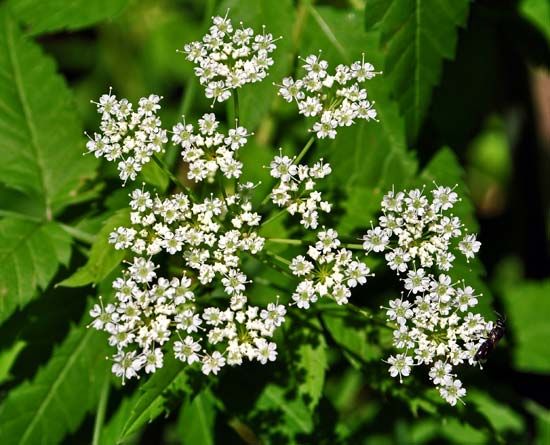
- Water Hemlock: Often cited as the most violently toxic plant in North America, it contains cicutoxin, which causes severe convulsions and death.12
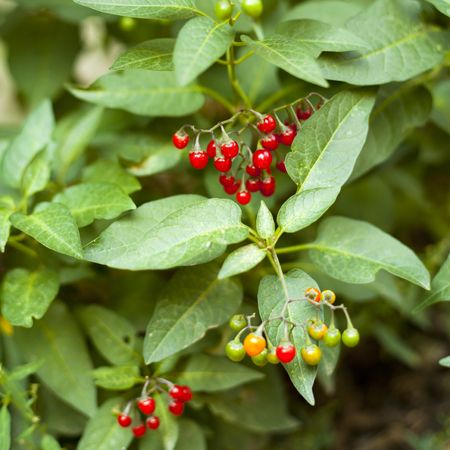
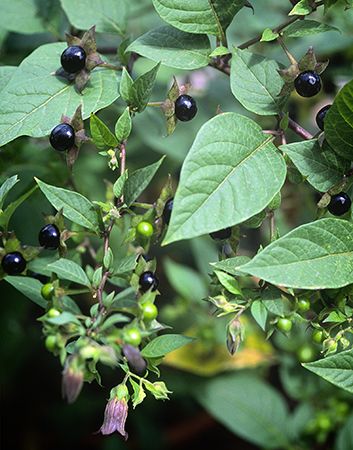
- Deadly Nightshade: Known for its sweet berries, this plant contains atropine and scopolamine, which can paralyze involuntary muscles, including the heart.12
- White Snakeroot: This plant contains a toxic alcohol called trematol. It is dangerous because the toxin can be passed to humans through the milk or meat of livestock that have grazed on it.1
- Castor Bean: The seeds contain ricin, a highly lethal protein that inhibits protein synthesis in cells.12
- Rosary Pea: These seeds contain abrin, an extremely deadly ribosome-inhibiting protein. Even a tiny amount can be fatal if the seed is broken or chewed.12
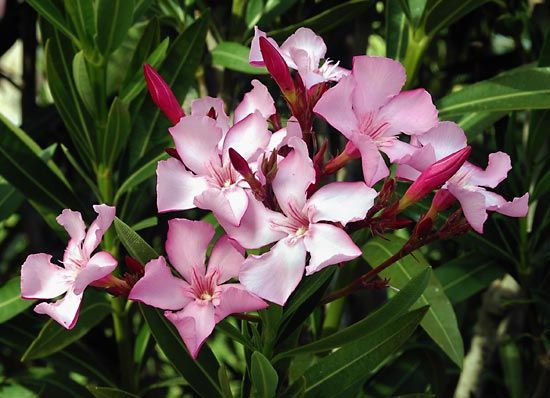
- Oleander: A common ornamental containing cardiac glycosides like oleandrin, which can cause erratic heart rhythms and death.13
- Tobacco: Containing the toxic alkaloids nicotine and anabasine, tobacco is considered the world’s deadliest plant due to the millions of deaths associated with its consumption annually.1
How do plants use chemical signals to warn others of danger?
Plants utilize sophisticated chemical and electrical signaling to communicate threats, acting as a botanical “smoke signal” to protect themselves and their neighbors from stressors like herbivory, drought, or microbial infection.56
When a plant is attacked or stressed, it may release volatile organic compounds (VOCs) into the air. Nearby plants detect these compounds and trigger physiological responses, such as increasing the concentration of their own toxic compounds to deter pests or releasing chemicals that attract the predators of the attacking insects.5
Communication also occurs below ground. Plants can exchange chemical signals through their roots and via networks of fungal symbionts. Additionally, some plants, such as Arabidopsis, transmit electrical signals from leaf to leaf when damaged by insects, which serves as an internal warning to ramp up chemical defenses across the entire organism. While these responses are highly effective, they are biological adaptations for survival rather than expressions of pain, as plants lack the nervous systems required to experience suffering.56
What are some examples of plants that use physical defenses like thorns or spines?
Plants have evolved various physical structures to deter herbivores, often categorized by their botanical origin. While these terms are sometimes used interchangeably, they represent distinct evolutionary adaptations:
- Thorns: These are modified branches or stems that have evolved into sharp, woody points. Examples include the Astrocaryum palm, which features spines on its trunk up to 30 cm long, and various desert shrubs known as crucifixion thorn, such as Koeberlinia spinosa and Canotia holacantha.9103
- Spines: Unlike thorns, spines are modified leaves or stipules. They are most famously associated with cacti, where they serve the dual purpose of defending juicy stems from herbivores and providing shade against intense sunlight.9
- Prickles: These are sharp, pointed protuberances that arise from a plant’s epidermis rather than from the vascular tissue of a stem or leaf. Roses are the most common example; they possess prickles, not thorns, which help protect the plant from animals attracted to its fragrance.91112
Why are some animals immune to plant toxins that are deadly to humans?
Some animals are immune to plant toxins that are deadly to humans because they have evolved specific physiological or behavioral adaptations that allow them to consume these plants without suffering ill effects. This phenomenon is often the result of long-term evolutionary “arms races” between plants and the animals that feed on them.13214
Key mechanisms for this immunity include:
- Specialized Detoxification: Some animals have evolved metabolic pathways to neutralize or sequester toxins. For example, the larvae of monarch butterflies consume milkweeds containing cardenolides—toxins that cause heart failure in vertebrates—without harm. They retain these poisons through their life cycle, using them as a chemical defense against their own predators.13
- Behavioral Avoidance and Processing: Certain animals have learned to mitigate danger through behavior. For instance, some birds can consume toxic insects by removing the stinger or venom-producing parts before ingestion.13
- Digestive Adaptations: Specialized digestive systems, such as the rumen or cecum found in various herbivores, allow animals to break down complex plant materials and potentially neutralize certain compounds through bacterial fermentation.15
- Genetic Resistance: Through gene-for-gene coevolution, some species develop genetic mutations that prevent a toxin from binding to its target site in the body, effectively rendering the poison inert.214
Sources
- 7 of the World’s Deadliest Plants — Encyclopædia Britannica
- poison - Plant poisons (phytotoxins) — Encyclopædia Britannica
- Botanical Barbarity: 9 Plant Defense Mechanisms — Encyclopædia Britannica
- Apocynaceae — Encyclopædia Britannica
- Chemoreception - Deterrents and repellents — Encyclopædia Britannica
- Cell wall - Plasmodesmata — Encyclopædia Britannica
- community ecology - The pervasiveness of mutualism — Encyclopædia Britannica
- Do Plants Feel Pain? — Encyclopædia Britannica
- Eating the rainforest — Encyclopædia Britannica
- crucifixion thorn — Encyclopædia Britannica
- rose: Top Questions — Encyclopædia Britannica
- prickle — Merriam-Webster
- mimicry - The chemical basis for repulsion — Encyclopædia Britannica
- gene-for-gene coevolution — Encyclopædia Britannica
- poison - Poisons of biological origin — Encyclopædia Britannica
- community ecology - Gene-for-gene coevolution — Encyclopædia Britannica
- nutrition - Herbivores — Encyclopædia Britannica
Published on · 4 min read