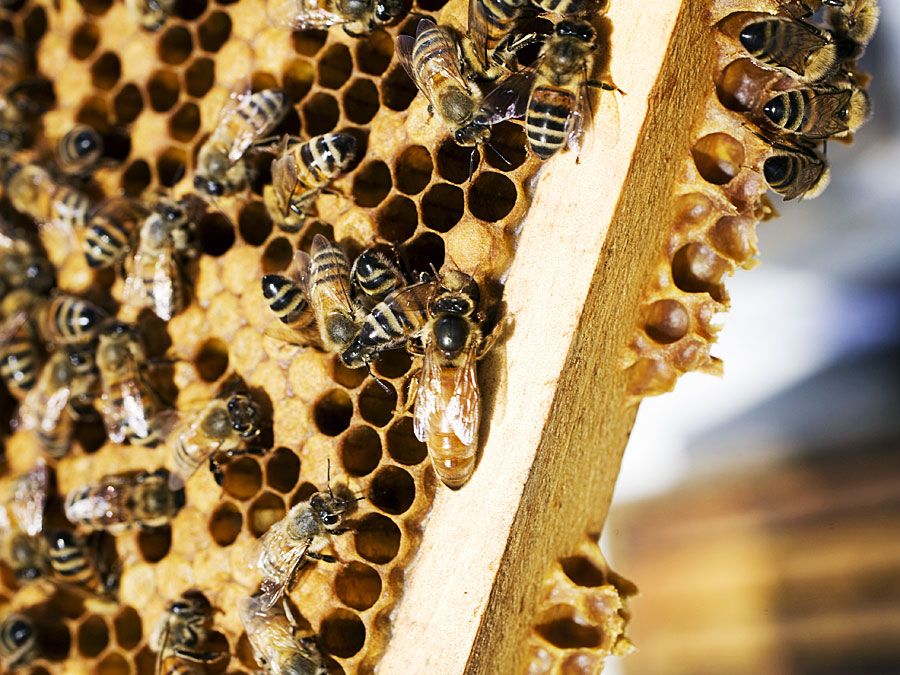
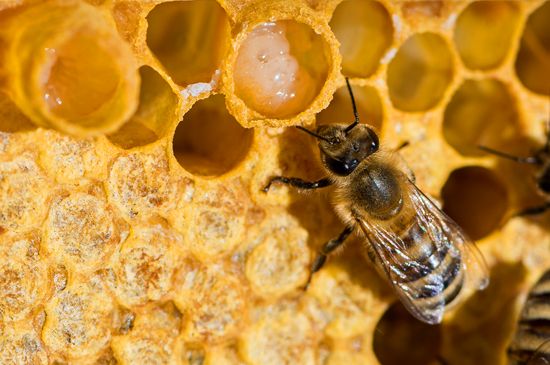
How Long Do Queen Bees Live?
The lifespan of a queen bee varies significantly depending on the species:
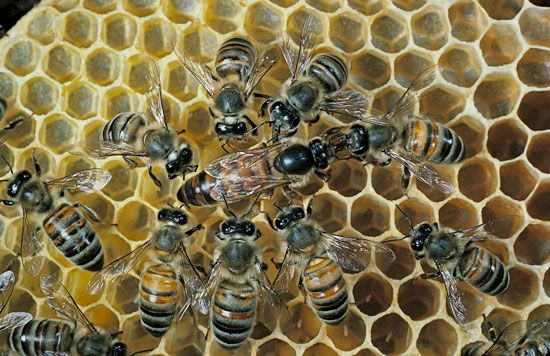
How long do queen bees live?
The lifespan of a queen bee varies significantly depending on the species:
- Western Honeybee (Apis mellifera): A queen can live up to five years, though in managed beekeeping, they are often replaced every one to two years to maintain productivity.12
- Bumblebees (Bombus): These queens typically live about one year. They mate in the fall, overwinter, and establish a new colony in the spring before the cycle repeats.2
- Stingless Bees (tribe Meliponini): Queens in this group generally outlive their workers by two or more years.2
The longevity of a queen is vital for the stability of the colony, as she is responsible for laying the eggs that sustain the population. While honeybee workers may only live for about six weeks during the active season, the queen’s ability to store sperm in her spermatheca allows her to fertilize eggs throughout her life.21
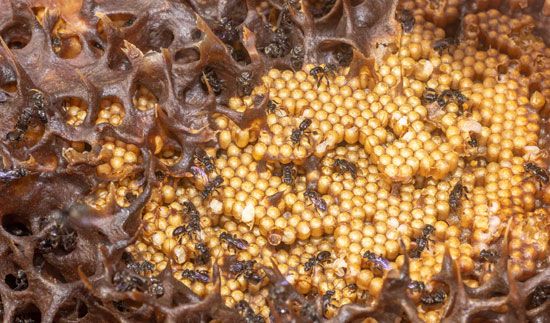
How do worker bees and drones differ in their lifespans?
Worker bees and drones have distinct lifespans influenced by their roles and the seasonal needs of the colony.
- Worker bees: During the active season, workers typically live for about six weeks. However, those that emerge in the fall to overwinter can live for several months—often 4 to 6 months—as they cluster together to maintain hive warmth.43
- Drones: These male bees generally live for only a few weeks. Their primary purpose is to mate with a queen, during which act they die. Furthermore, drones are not permitted to remain in the hive during periods of adversity or as winter approaches; they are driven out by the colony to perish, leaving the winter cluster composed entirely of females.1563
While workers are essential for the year-round maintenance and survival of the hive, the drone population is transient, existing only when resources are plentiful and the colony is populous enough to support them.41
What is the process of supersedure in a honey bee colony?
Supersedure is the natural process by which a honey bee colony replaces its queen. Unlike swarming, which is a method of colony propagation that involves the departure of the mother queen and a portion of the worker bees, supersedure occurs when the existing queen is either accidentally killed or begins to show a decline in her egg-laying efficiency.1
When the workers detect that their queen is faltering, they rear a new “supersedure” queen to take her place. This new queen will mate and begin laying eggs within the original hive without the colony splitting or a swarm emerging. Once the new queen is established, she ignores the mother queen, who soon disappears from the colony. This process ensures the continuity and health of the hive by maintaining a productive, fertile queen at all times.1
How does the life cycle of a bumblebee queen differ from a honey bee queen?
The life cycles of honey bee and bumblebee queens differ significantly in terms of longevity, colony continuity, and reproductive strategy.
Honey Bee Queens
- Longevity: A honey bee queen can live up to five years, providing long-term stability to the colony.12
- Colony Continuity: The honey bee colony is potentially endless. When a queen dies or her egg-laying efficiency declines, the workers rear a “supersedure” queen to replace her without the colony dissolving.18
- Reproduction: Honey bee colonies often reproduce through swarming, where the old queen leaves with a portion of the workers to establish a new nest, leaving the original colony to a newly hatched queen.18
Bumblebee Queens
- Longevity: Bumblebee queens typically live only about one year.2
- Colony Cycle: Unlike the perennial honey bee colony, the bumblebee colony is seasonal. The queen mates in the fall, hibernates alone through the winter, and establishes a new nest in the spring. By early fall, the original queen stops laying eggs, and the entire colony, including the queen, dies out.29
- Reproduction: New queens are produced late in the season. After mating, these future queens leave the dying colony to hibernate individually, ensuring the survival of the species for the following year.29
Sources
- Beekeeping - Queen bee — Encyclopædia Britannica
- How long do queen bees live? — Encyclopædia Britannica
- Beekeeping - Drones — Encyclopædia Britannica
- Beekeeping - Worker bees — Encyclopædia Britannica
- western honeybee - Colony and life cycle — Encyclopædia Britannica
- Where Do Honeybees Go in the Winter? — Encyclopædia Britannica
- Beekeeping - The yearly work cycle — Encyclopædia Britannica
- Hymenoptera - Social forms — Encyclopædia Britannica
- bumblebee — Encyclopædia Britannica
Published on · 3 min read