What’s the Difference Between Moths and Butterflies?
Moths and butterflies are both members of the Lepidoptera order, but they exhibit several distinct physical and behavioral differences.
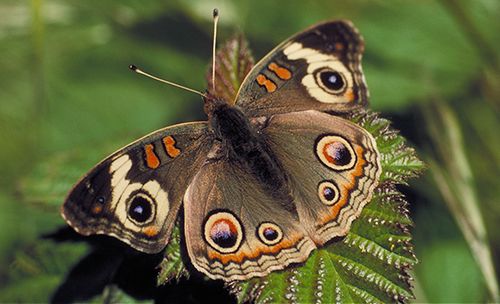
What’s the difference between moths and butterflies?
Moths and butterflies are both members of the Lepidoptera order, but they exhibit several distinct physical and behavioral differences.1
- Antennae: Most moths have thick or feathery antennae, while butterflies possess simple, club-tipped antennae.1
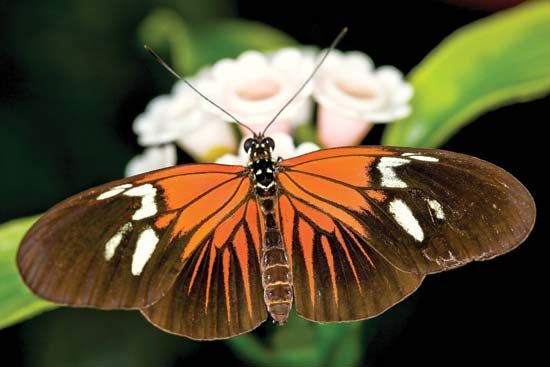
- Body and Wings: Butterflies typically have slim, dainty bodies and hold their wings vertically over their backs when at rest. Moths are generally stout and often fuzzy, and they typically fold their wings tentlike over their bodies or hold them extended at their sides.1
- Activity: Butterflies are generally diurnal (active during the day), whereas most moths are nocturnal.1
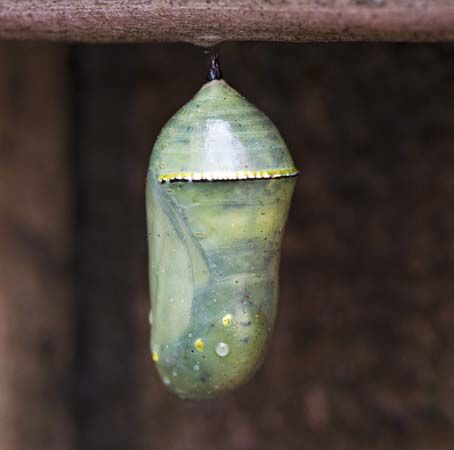
- Metamorphosis: During their transformation, butterflies form a chrysalis, while most moths build a fibrous cocoon around themselves.1
- Appearance: Butterflies are often colorful with dramatic patterns, while moths are frequently more drab, though there are notable exceptions in both groups.1
While butterflies form a single taxonomic group of about 14,000 species, moths are much more diverse, comprising approximately 160,000 species.1
What is the process of metamorphosis in insects?
Metamorphosis is a biological process involving a striking change in form or structure after hatching or birth. In insects, this development is regulated by hormones, specifically ecdysone (the molting hormone) and juvenile hormone, which control growth and the transition between life stages.34
Insects are categorized by their metamorphic patterns:
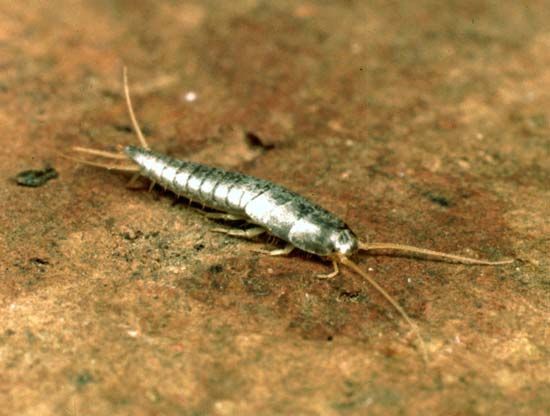
- Ametabolous: Primitive, wingless insects like silverfish experience almost no change in form, simply increasing in size until reaching adulthood.35
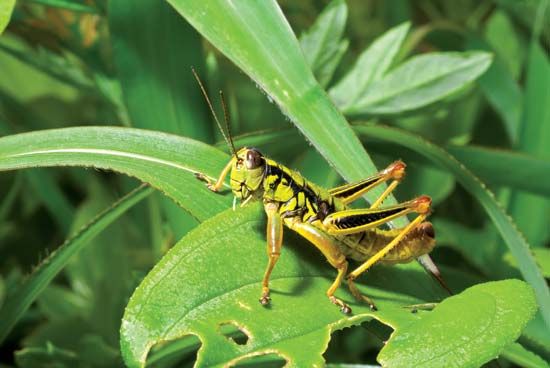
- Hemimetabolous (Incomplete Metamorphosis): Insects such as grasshoppers and termites progress through egg, nymph, and adult stages. The nymph resembles the adult but lacks fully developed wings and reproductive organs, which emerge after a series of molts.35
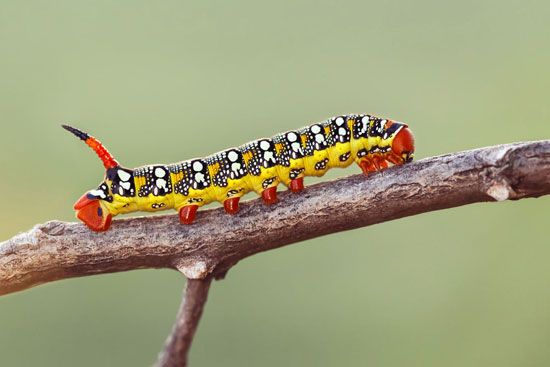
- Holometabolous (Complete Metamorphosis): Characteristic of butterflies, moths, and beetles, this cycle includes four distinct stages: egg, larva, pupa, and adult. The larva is wingless and differs significantly from the adult; the transformation occurs during the inactive pupal stage, where larval tissues are broken down and adult structures develop.35
How do butterflies and moths contribute to pollination?
Butterflies and moths, belonging to the order Lepidoptera, are essential pollinators that have coevolved with flowering plants. They utilize a specialized, coiled tongue called a proboscis to feed on nectar.78
Butterfly Pollination
Butterflies are typically diurnal and rely on both color and fragrance to locate flowers. Their preferred flowers are often brightly colored—frequently red, pink, or purple—and feature flat, erect inflorescences that serve as landing platforms. Examples include milkweed and verbena.78
Moth Pollination
Most moths are nocturnal and visit night-blooming flowers that are typically white or light-colored and highly fragrant to aid detection in the dark. These flowers often lack landing platforms and have long, narrow shapes, such as jimsonweed or honeysuckle. Some species, like hawk moths, hover while feeding, while others, such as yucca moths, exhibit highly specialized mutualism by actively pollinating the plants where they lay their eggs.78
What are some examples of butterfly migration patterns?
Butterfly migration is a remarkable phenomenon involving nearly 600 species that travel across continents to follow seasonal changes, nectar availability, and host plants. While often compared to bird migration, most butterfly journeys are multigenerational, functioning as a “relay of life” where successive generations complete different legs of the trip.9
Notable Migration Patterns
- Monarch Butterfly (Danaus plexippus): The monarch is unique as the only species known to perform a true two-way, long-distance migration where the same individuals fly south in autumn and north in spring. In North America, they travel up to 3,000 km (1,800 miles) to overwinter in Mexico or coastal California, using a time-compensated solar compass and the Earth’s magnetic field for navigation.10119
- Painted Lady (Vanessa cardui): These butterflies engage in mass flights across continents, such as traveling from Africa to Europe. Unlike the monarch, these are often one-way emigrations rather than true migrations, as most individuals perish before completing a return circuit.1012
- Other Migratory Species: The red admiral tracks seasonal changes across the Northern Hemisphere, while the Australian caper white forms massive swarms to seek out larval food sources.9
Migratory lepidopterans often utilize radar-detected wind currents to increase their travel efficiency by up to 40 percent.10
Sources
- What’s the difference between moths and butterflies? — Encyclopædia Britannica
- Lepidoptera - Pupa , or chrysalis — Encyclopædia Britannica
- Metamorphosis — Encyclopædia Britannica
- insect - Role of hormones — Encyclopædia Britannica
- insect - Types of metamorphosis — Encyclopædia Britannica
- Did you know? — Merriam-Webster
- Major types of pollinators - Butterflies and moths — Encyclopædia Britannica
- Pollination - Butterflies and moths — Encyclopædia Britannica
- Monarch butterfly - Migration — Encyclopædia Britannica
- Lepidoptera - Migration — Encyclopædia Britannica
- painted lady — Encyclopædia Britannica
- How Do Butterflies Migrate? — Encyclopædia Britannica
Published on · 3 min read